CVPR 2026

SEA-Vision

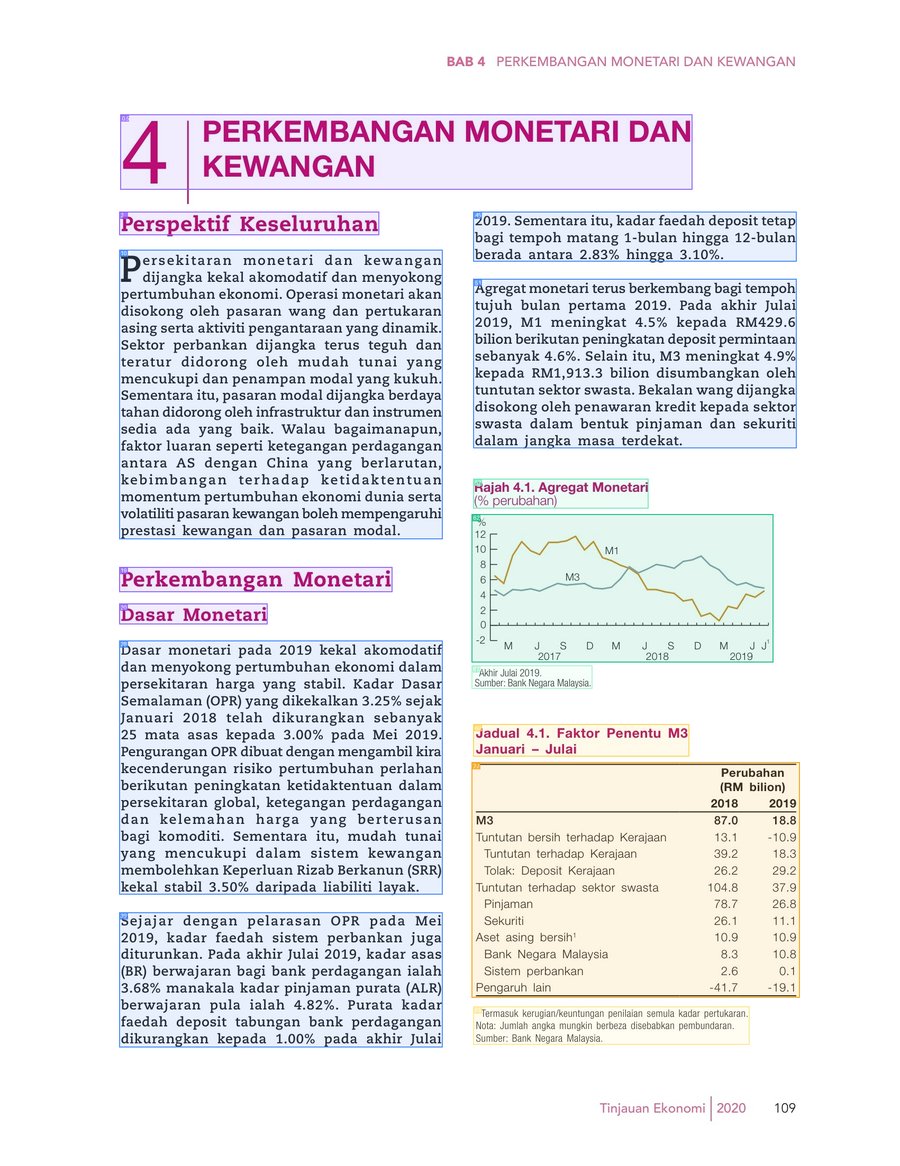
A Multilingual Benchmark for Comprehensive Document and Scene Text Understanding in Southeast Asia

Pengfei Yue*1  ·  Xingran Zhao*2  ·  Juntao Chen*3  ·  Peng Hou2  ·  Wang Longchao2  ·  Jianghang Lin1  ·  Shengchuan Zhang†1  ·  Anxiang Zeng2  ·  Liujuan Cao1

1Xiamen University, China    2Shopee, China    3Tongji University, China
* Equal contribution  ·  † Corresponding author

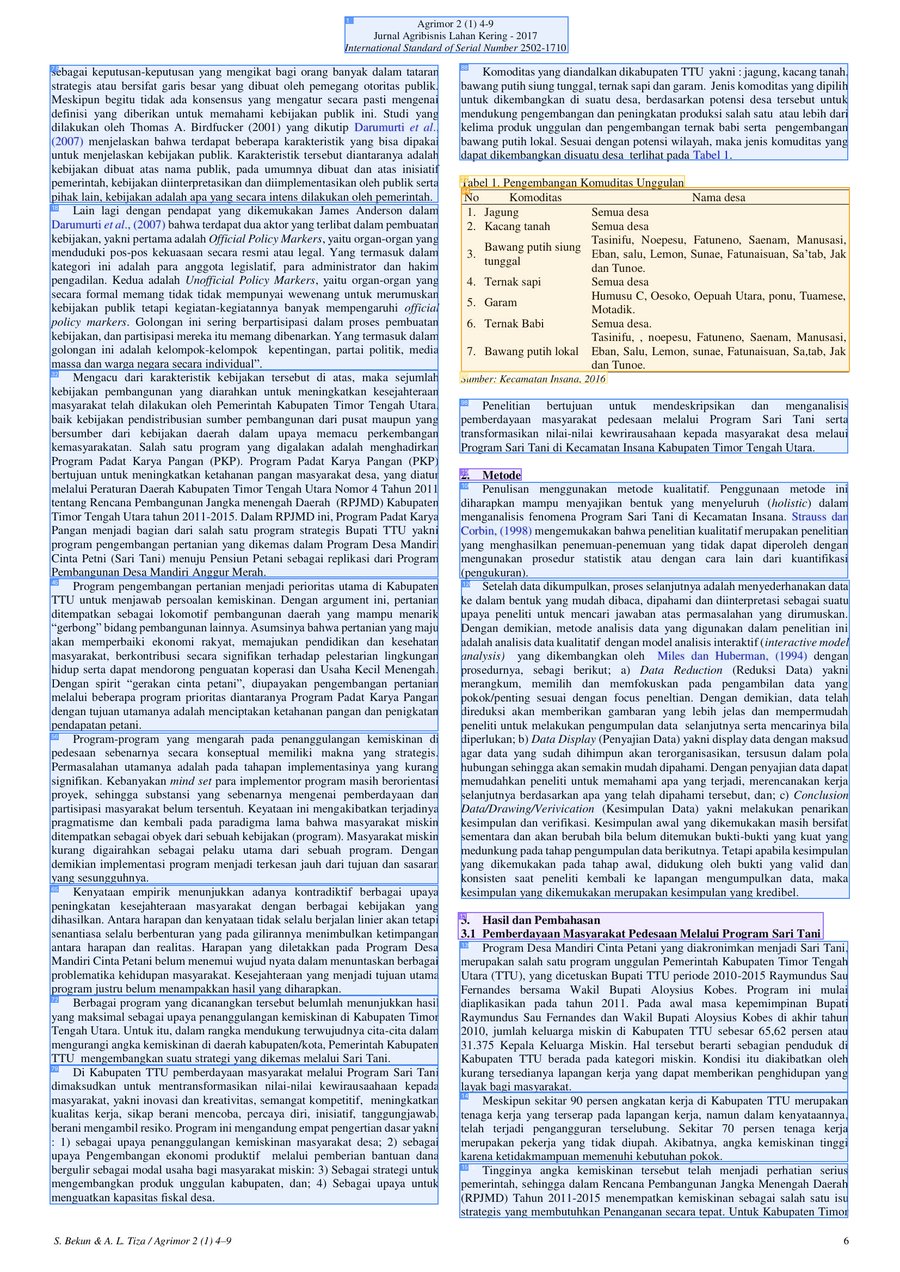
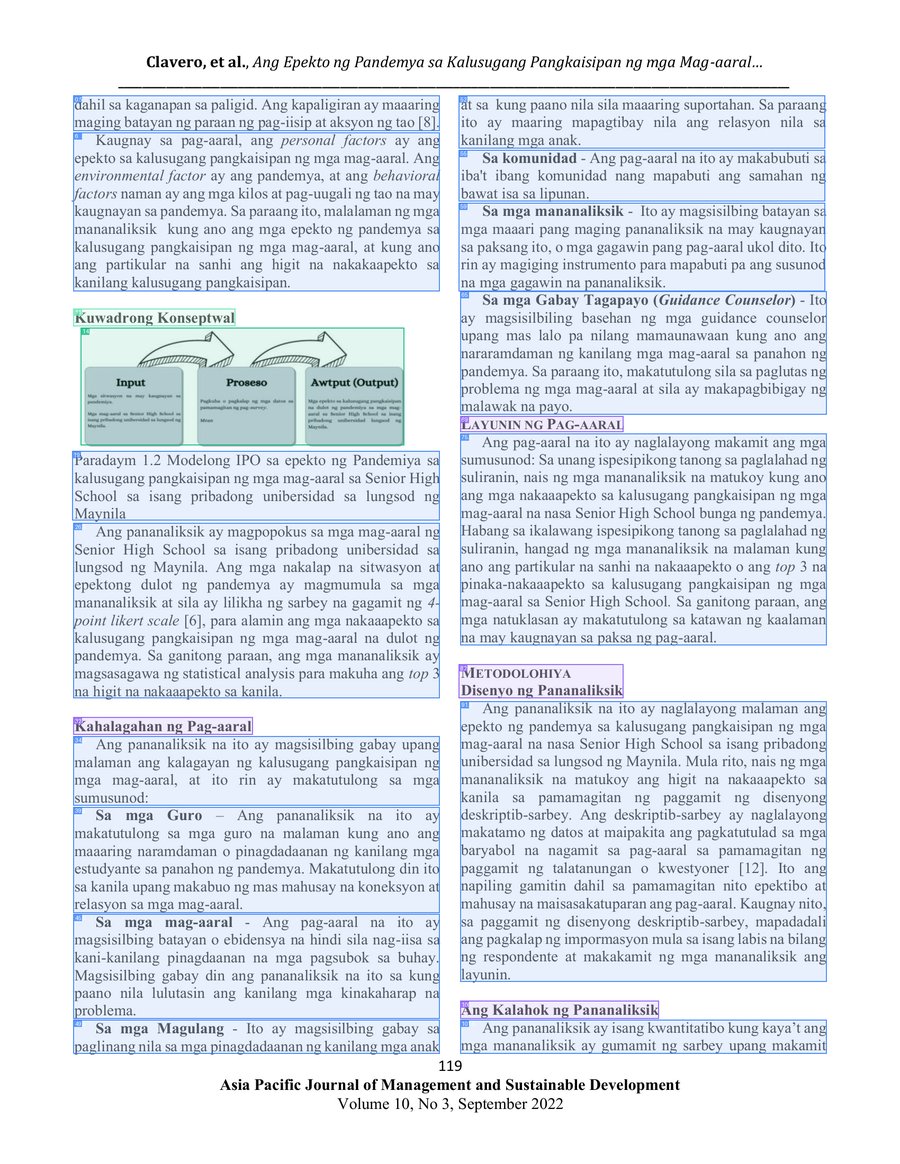
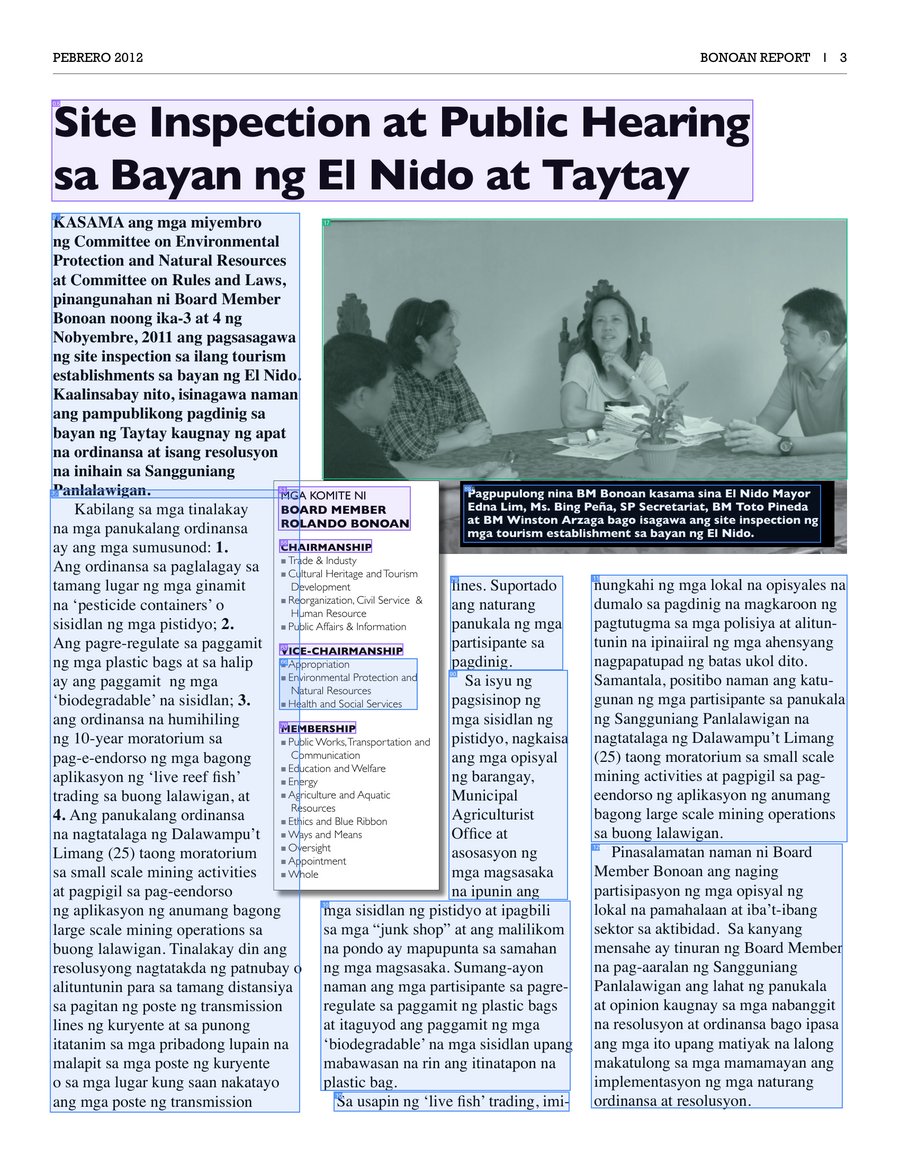
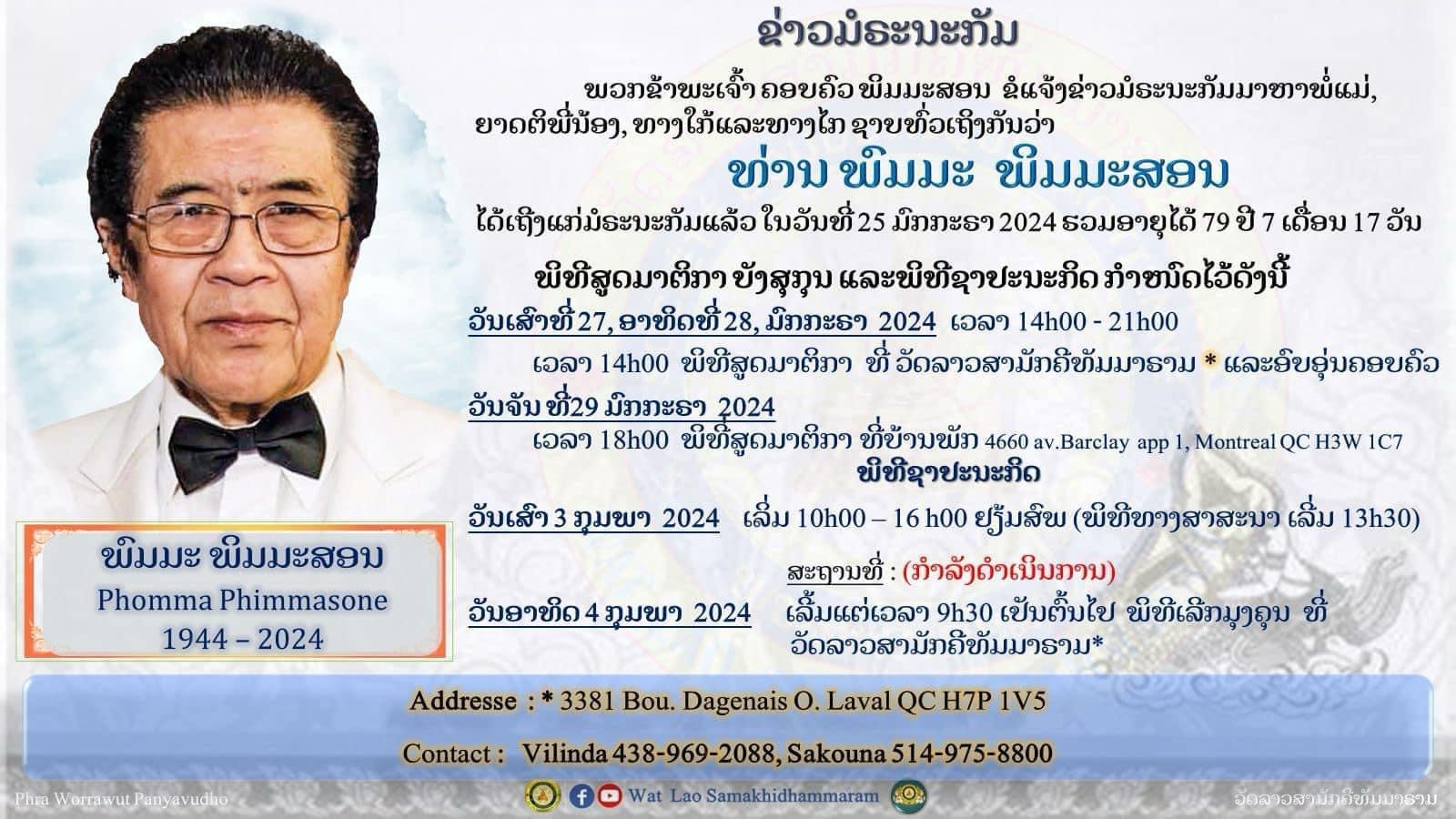
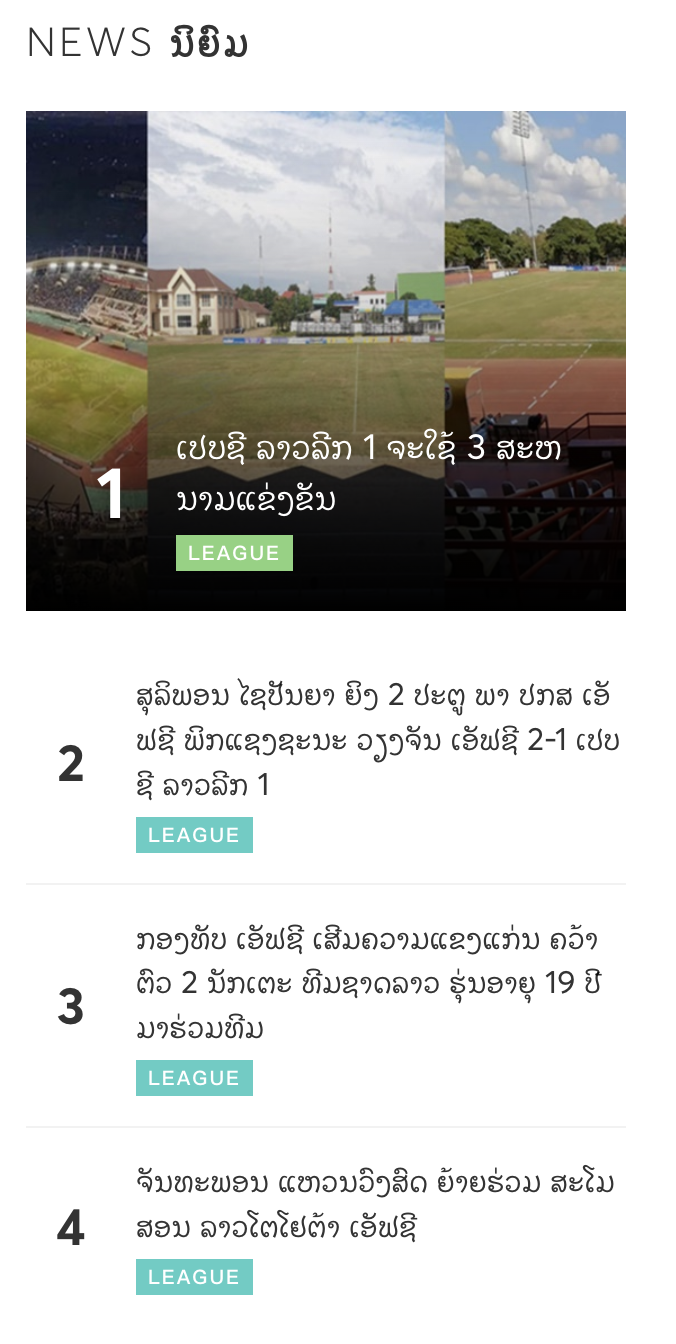
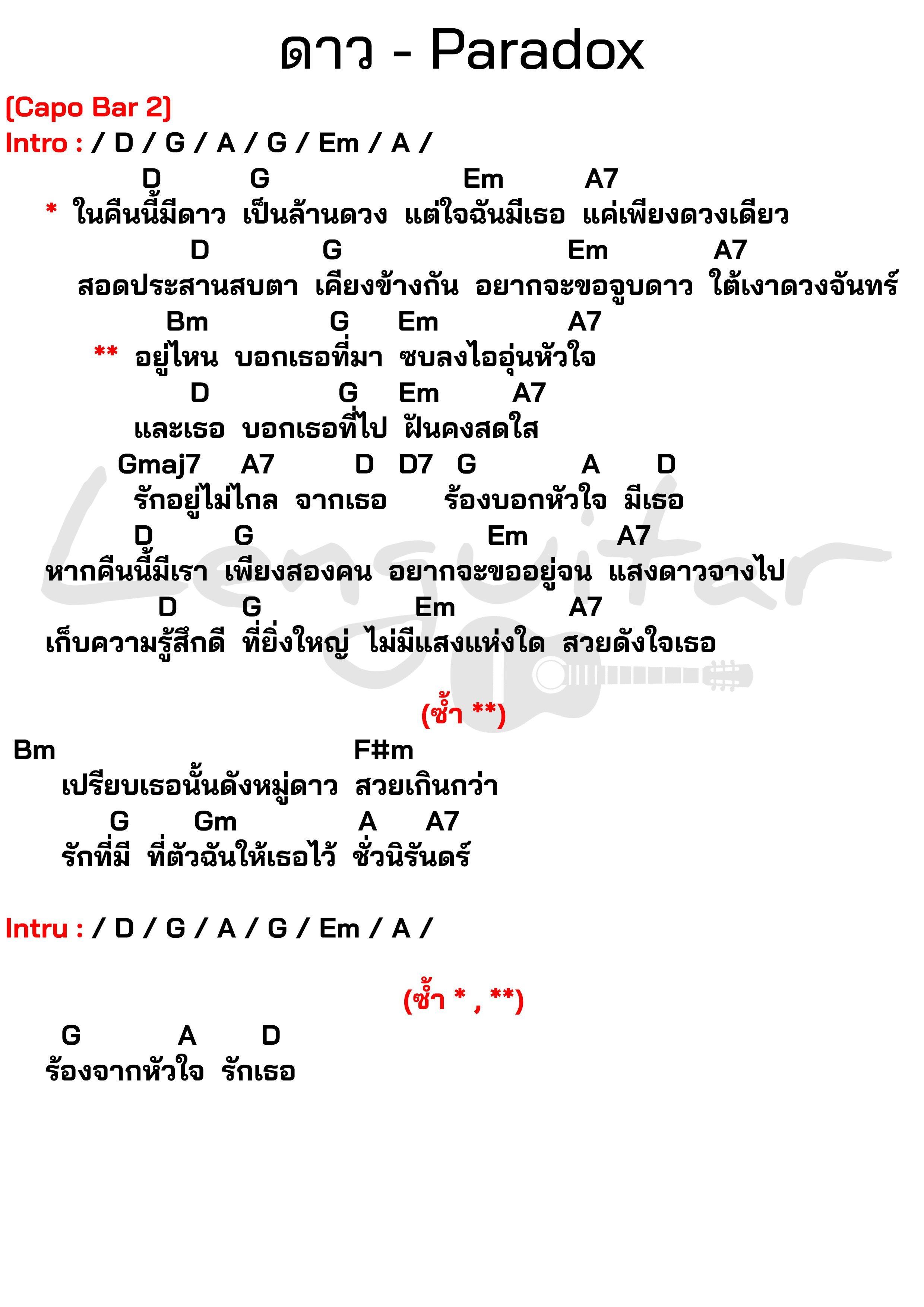
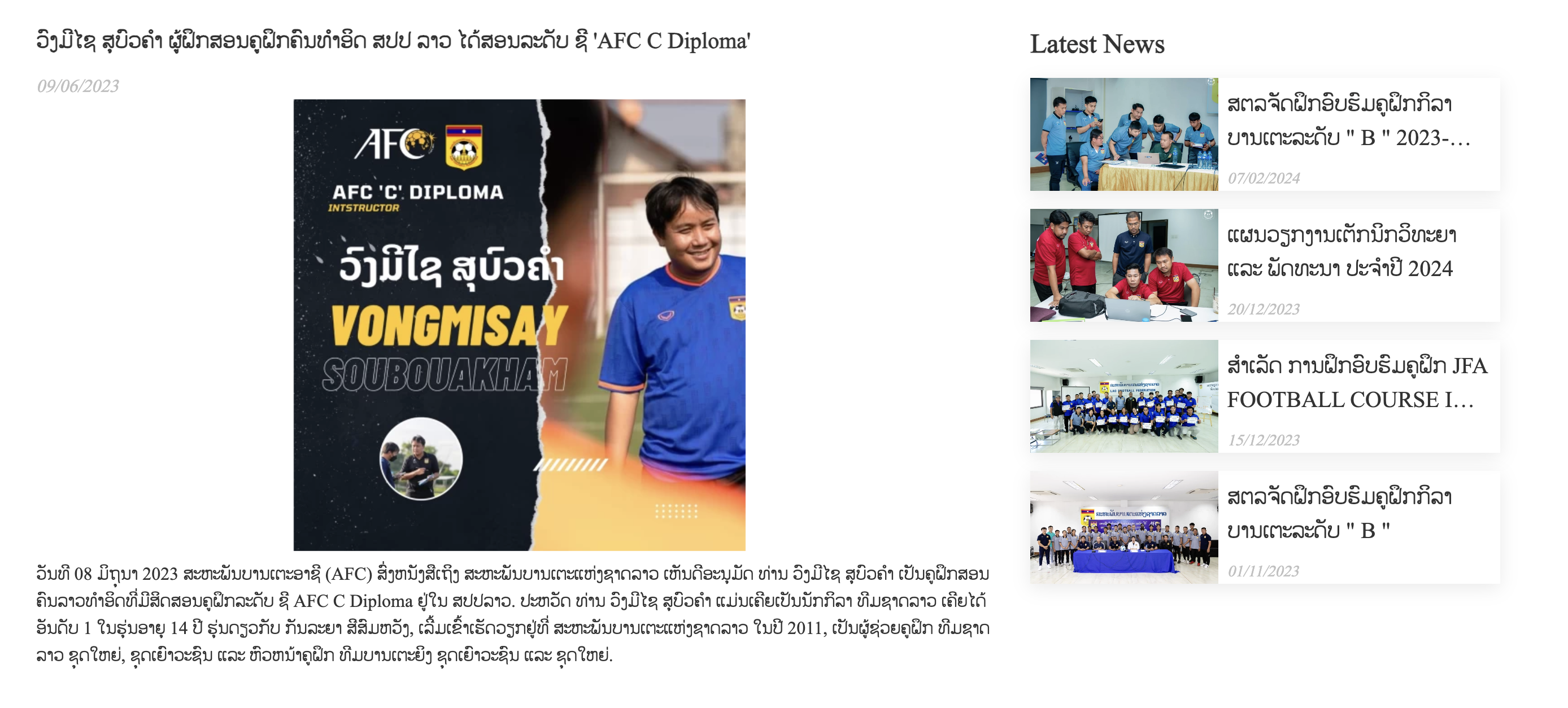
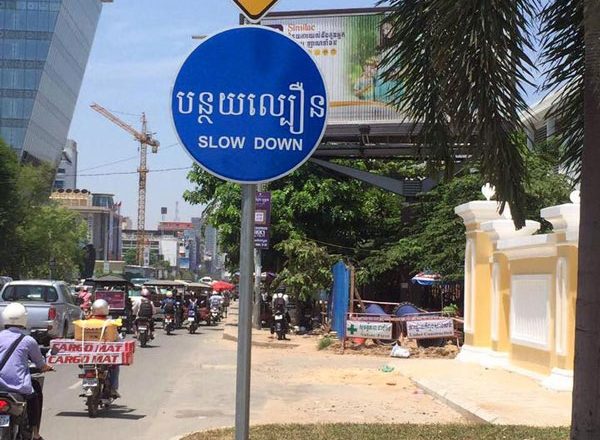
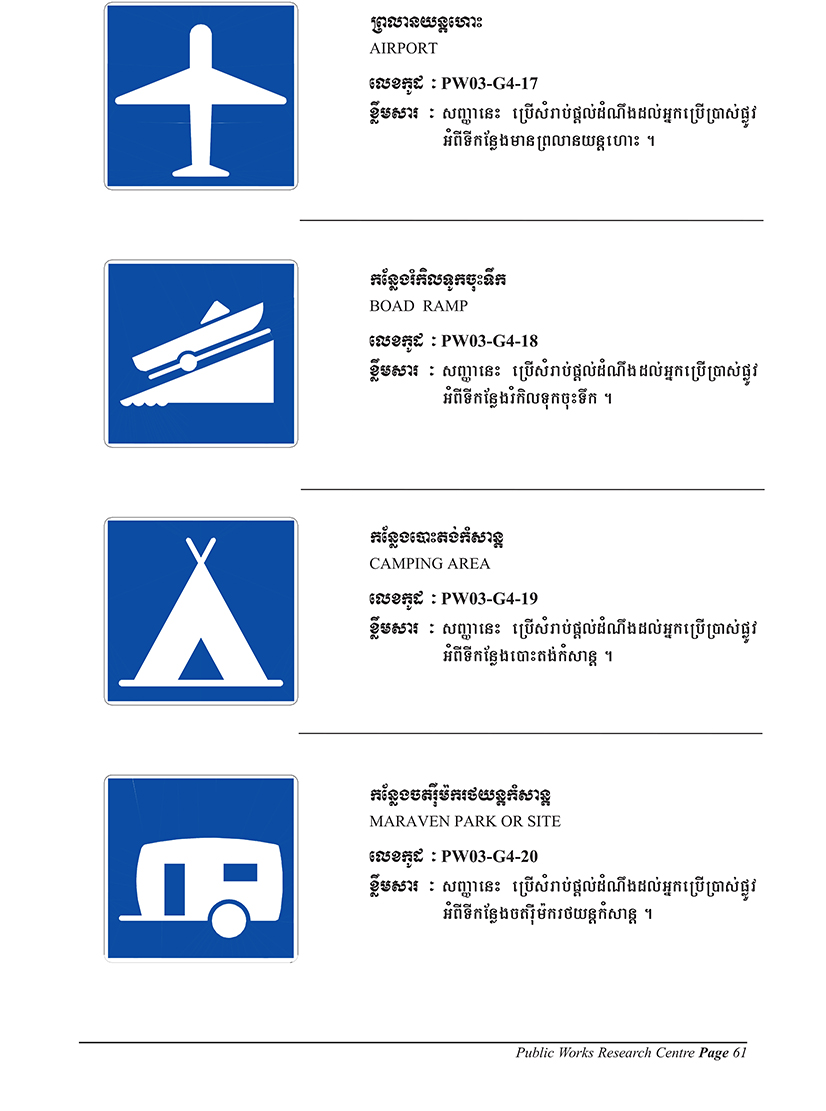
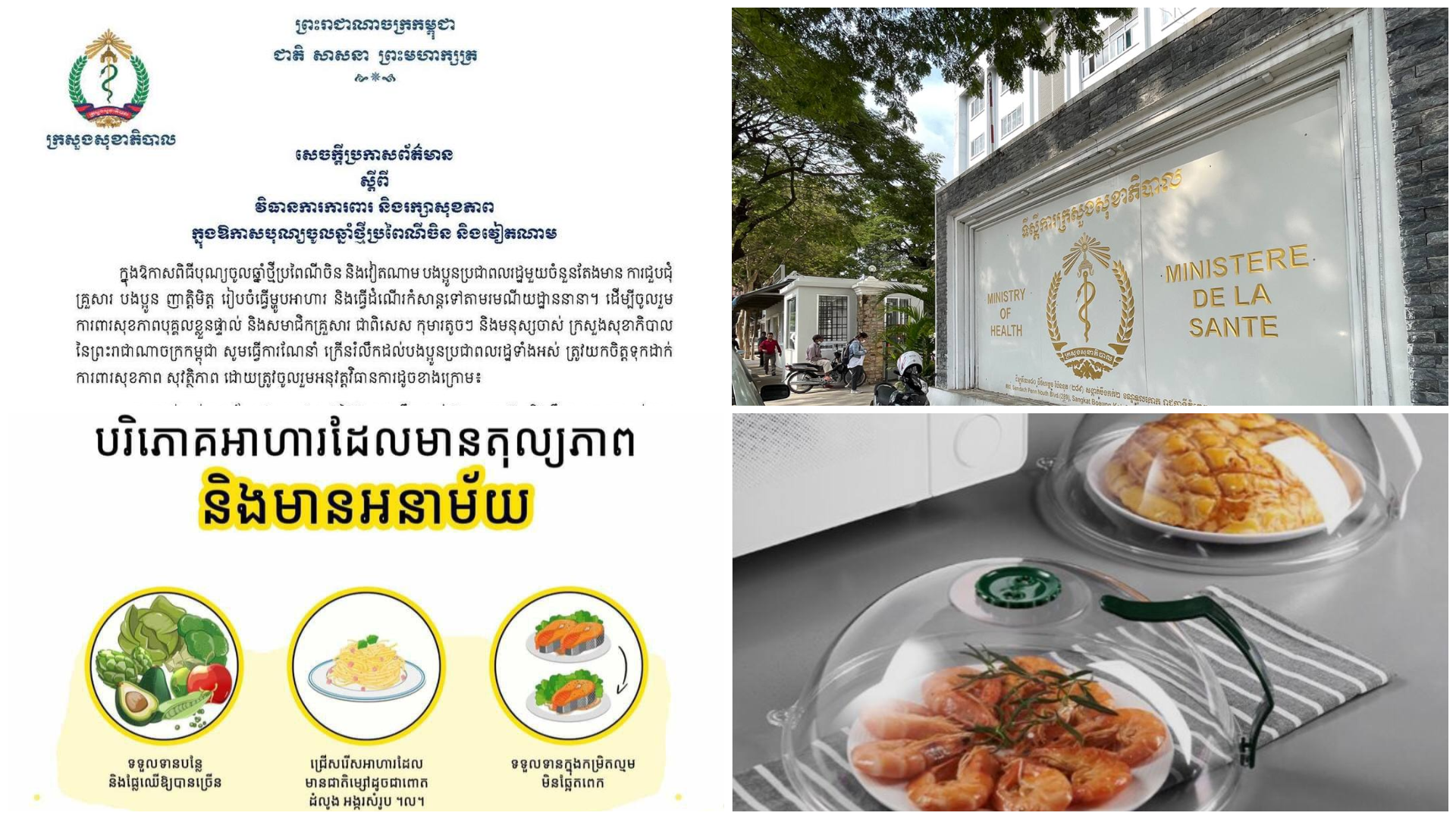
We introduce SEA-Vision, a benchmark that jointly evaluates Document Parsing and Text-Centric VQA across 11 Southeast Asian languages. Models that perform well on English and Chinese degrade substantially on low-resource SEA scripts — SEA-Vision quantifies this gap.
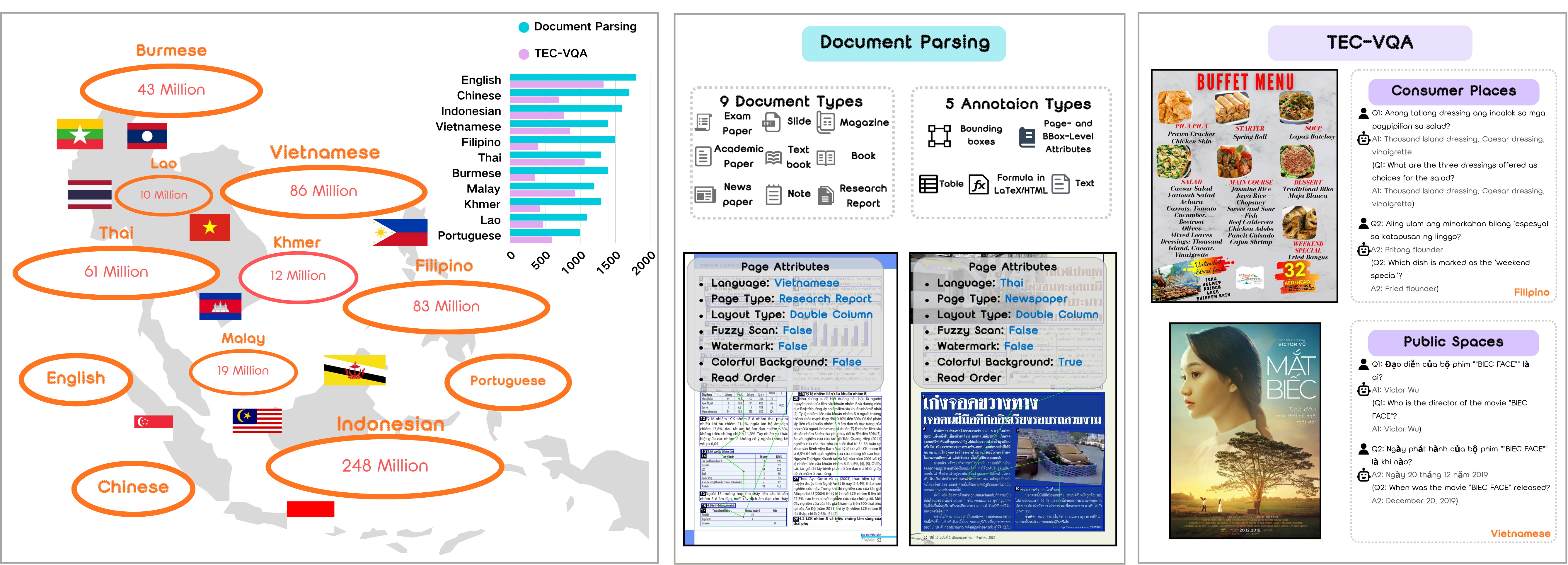
SEA-Vision benchmark overview

Dataset at a Glance

Two sub-benchmarks, one unified evaluation framework

0
Languages
0
Document Pages
0
VQA Pairs
0
Block Annotations
0
Document Types
0
Reasoning Skills
High-resource Languages
ENEnglishHello
ZHChinese你好
IDIndonesianHalo
MSMalayHelo
VIVietnameseXin chào
PTPortugueseOlá
FILFilipinoKamusta
Script Complexity
Low-resource / Complex Scripts
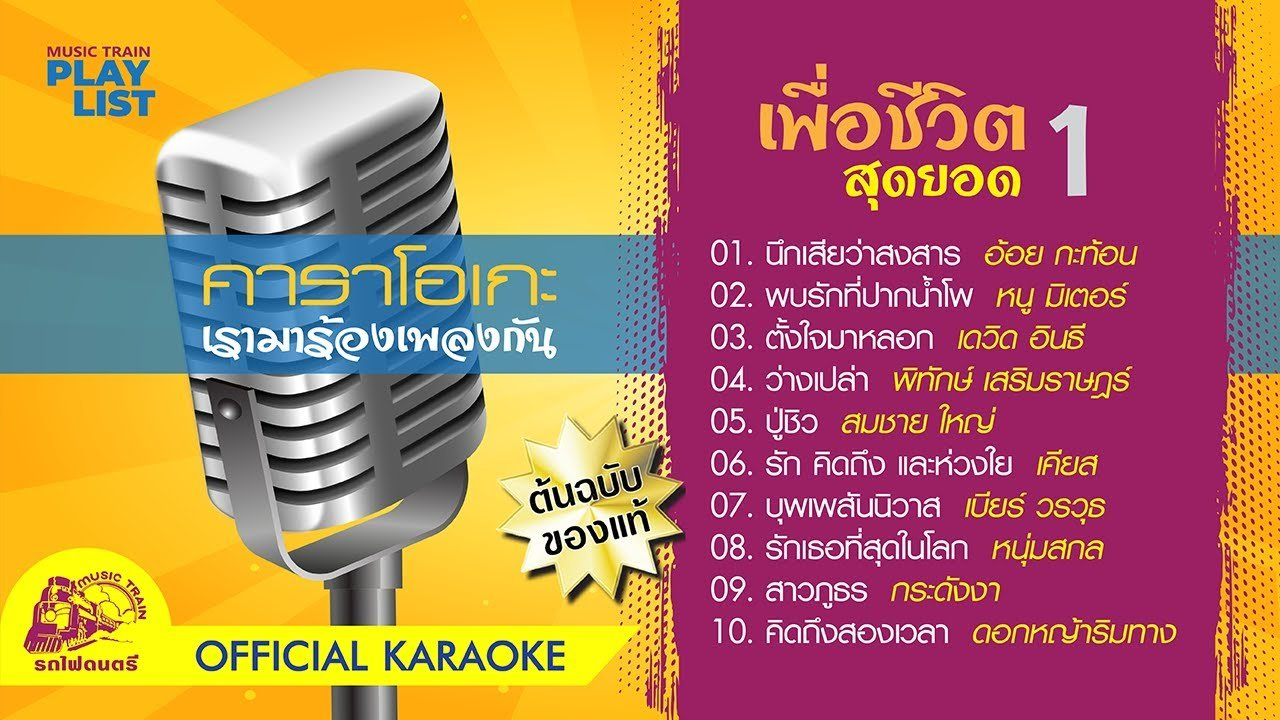
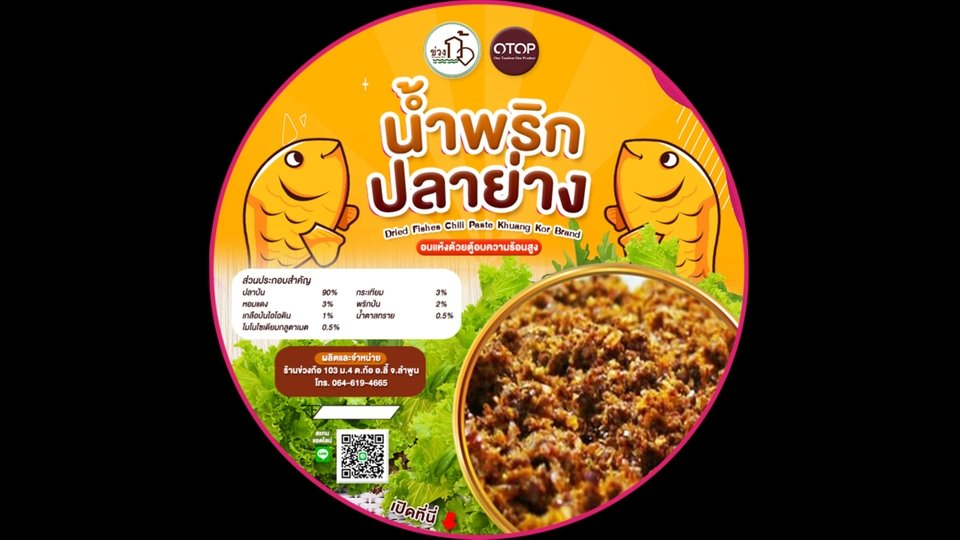
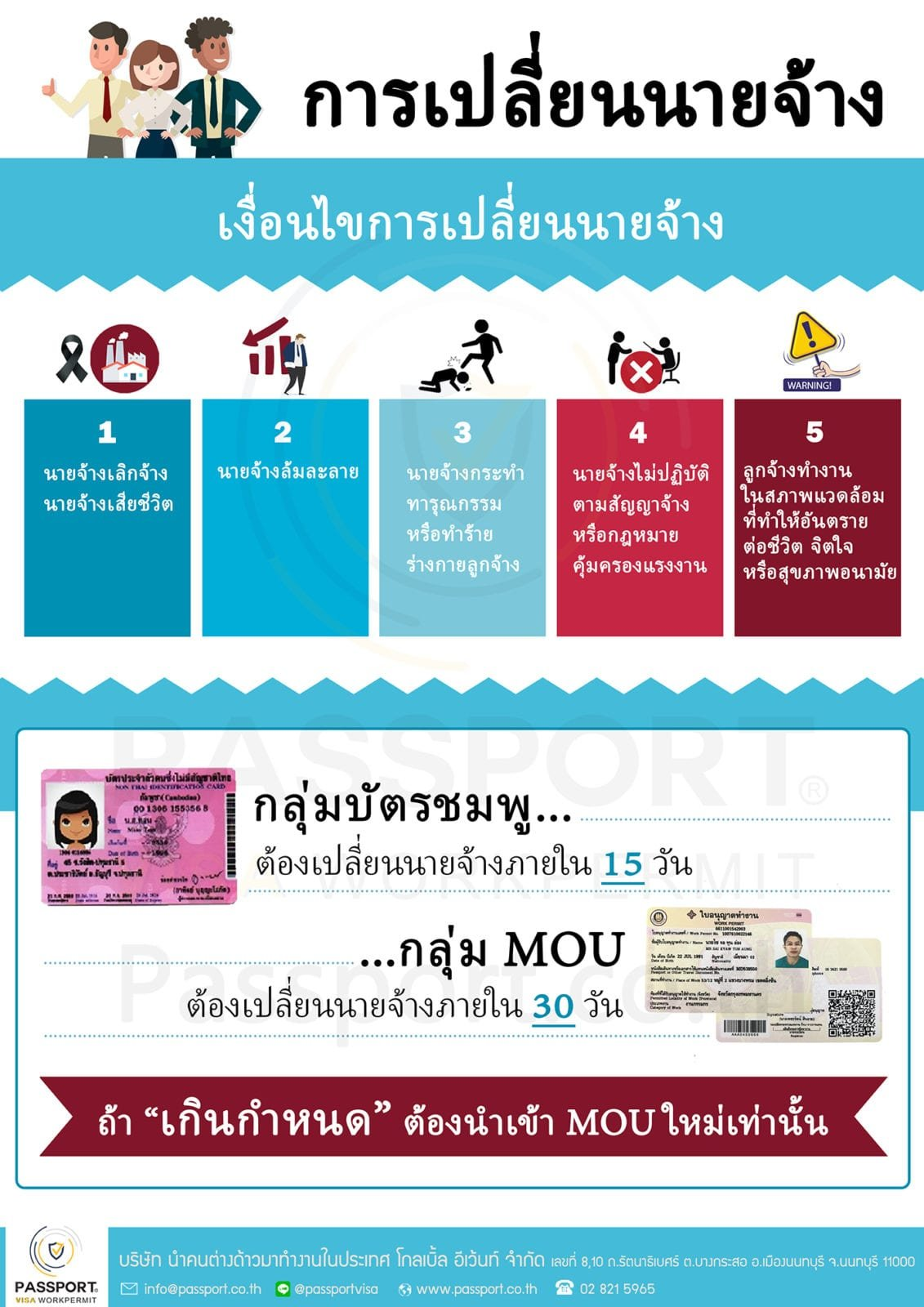
THThaiสวัสดี
KMKhmerសួស្តី
LOLaoສະບາຍດີ
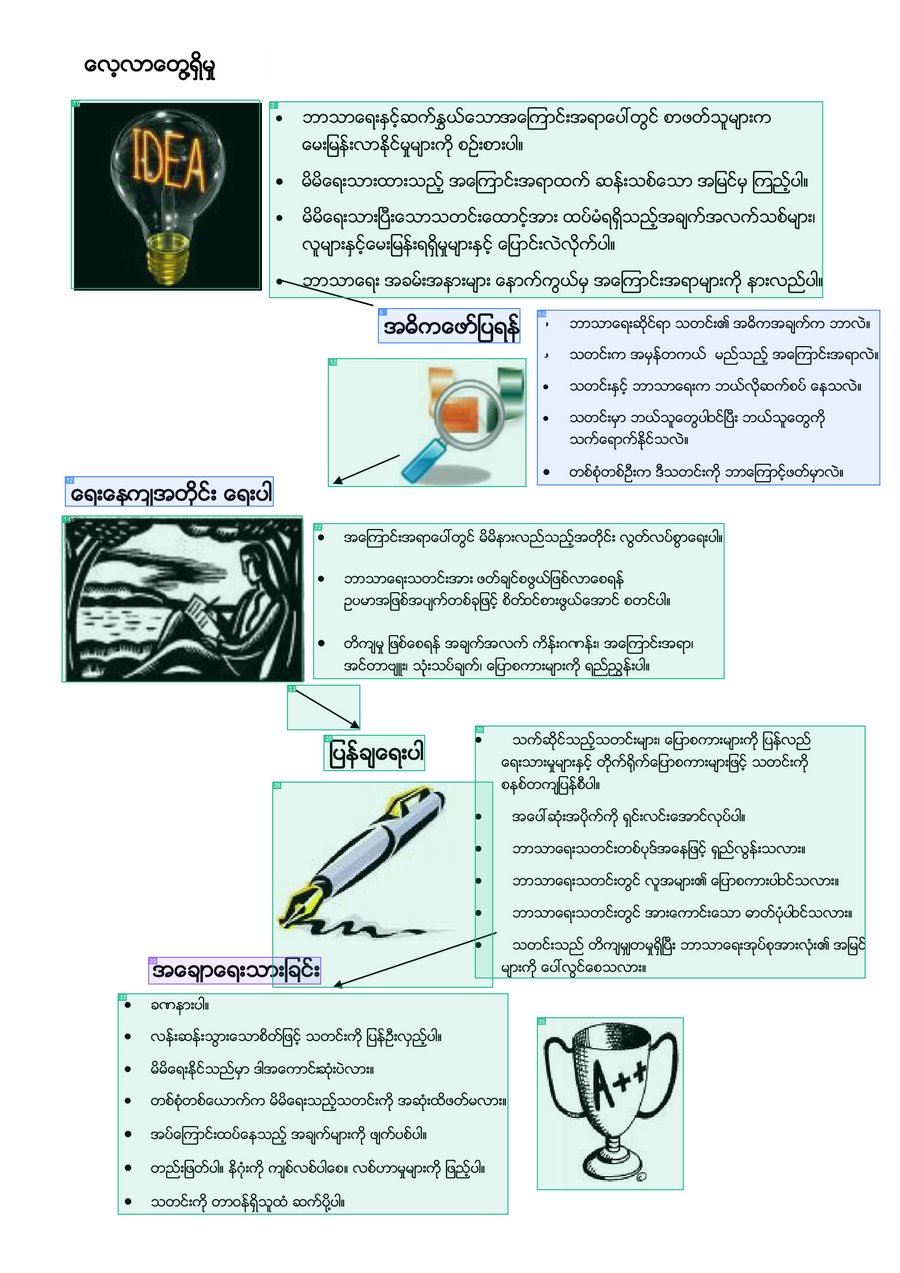
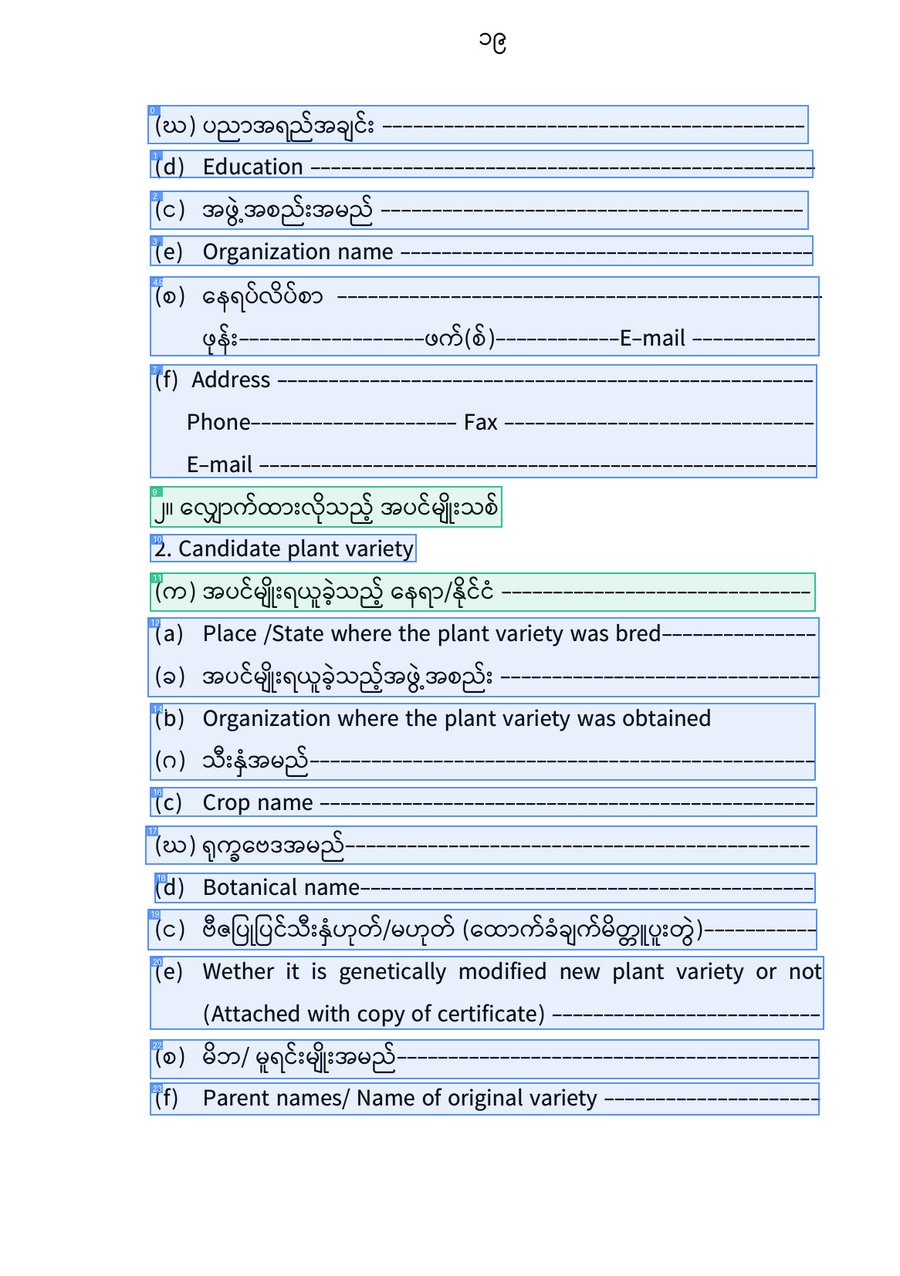
MYBurmeseမင်္ဂလာပါ

SEA-DocBench Results

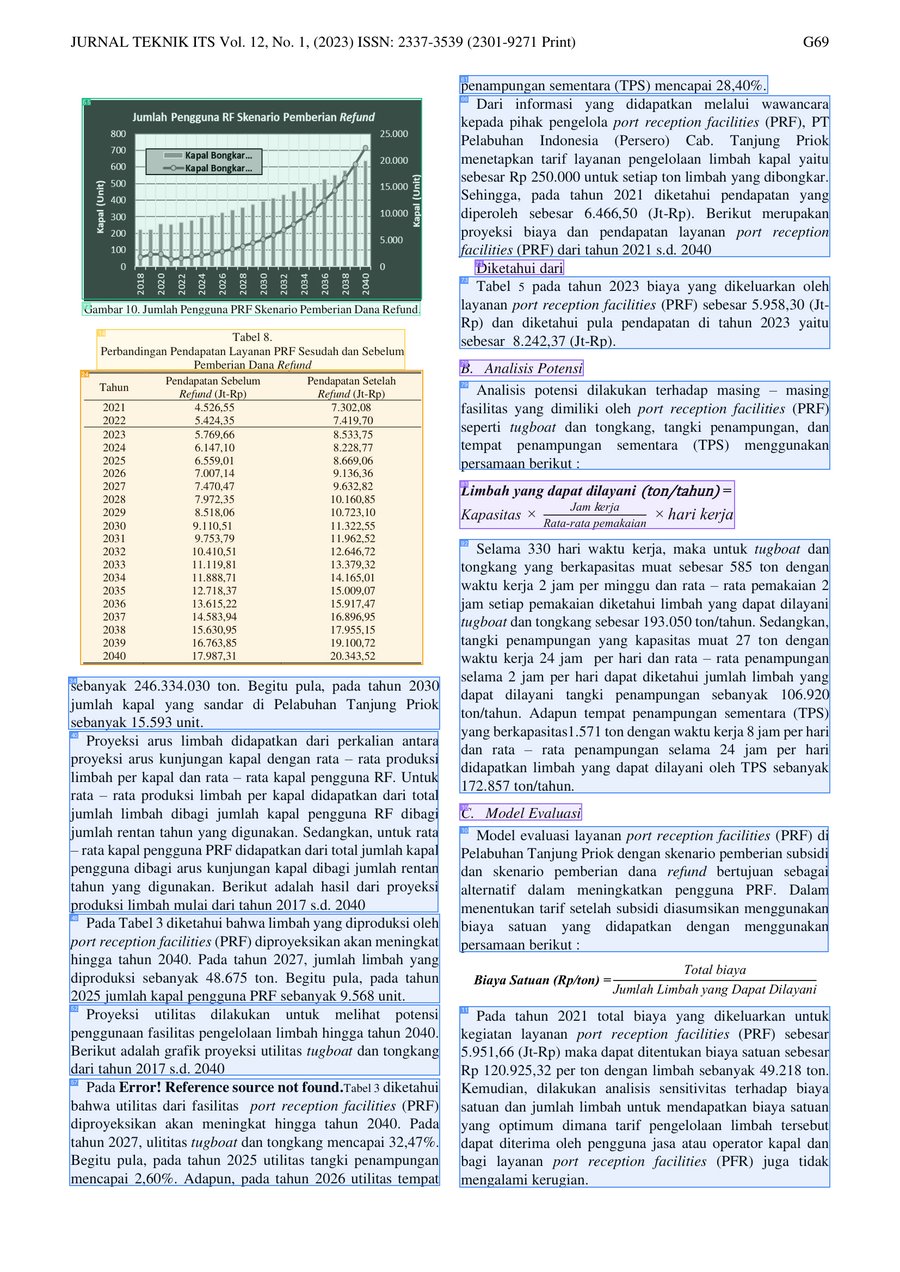
Normalized Edit Distance (NED↓) — lower is better. Color: green = good, red = poor.
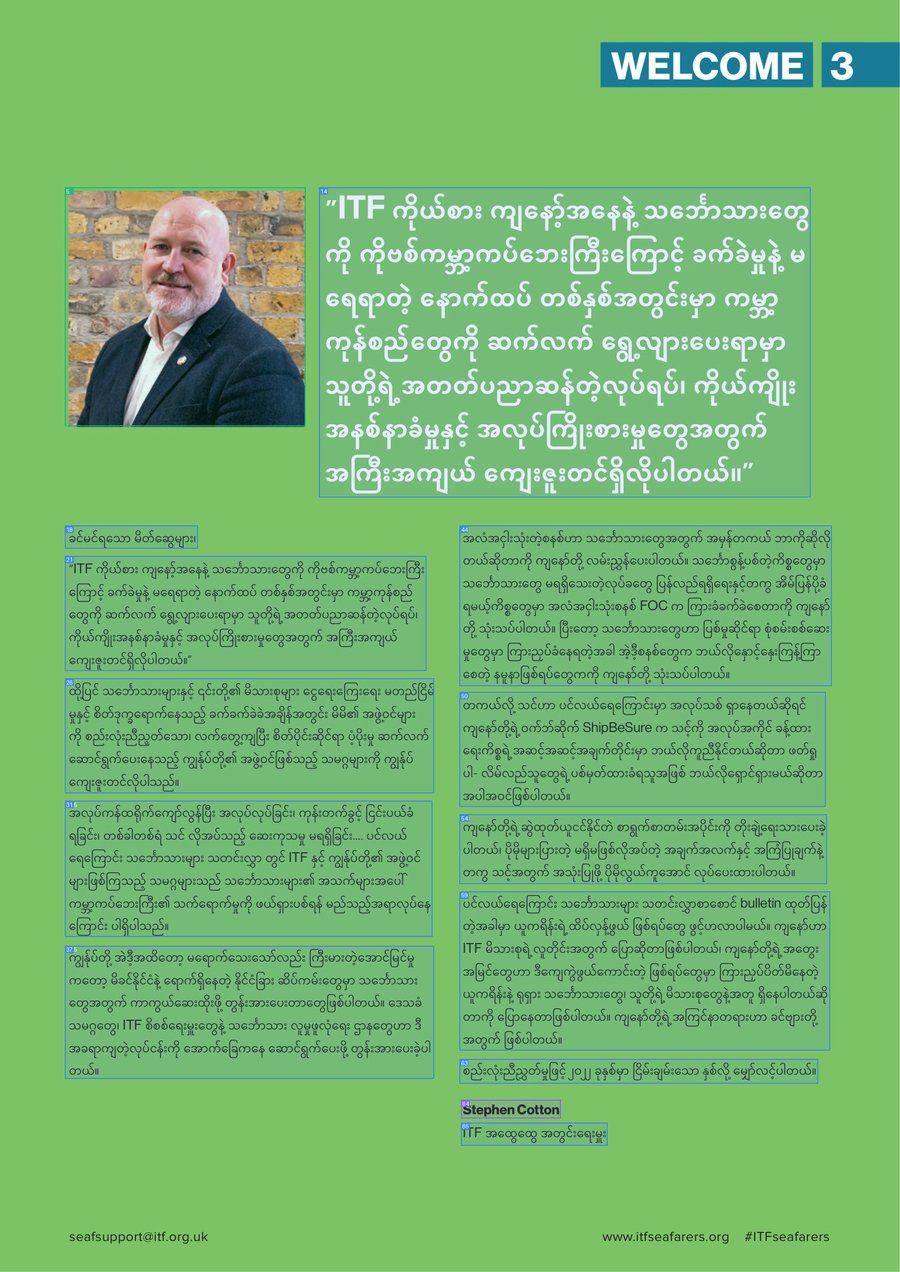
Average NED by Document Type (across all models)

TEC-VQA Results

Accuracy (%) — higher is better. Closed-source in purple, open-source in blue.

Model Ranking by Average Accuracy

Per-Language Coverage (top 4 models)

Full Accuracy Heatmap by Language

Key Findings

What the benchmark reveals about current MLLMs

Document Parsing — SEA-DocBench
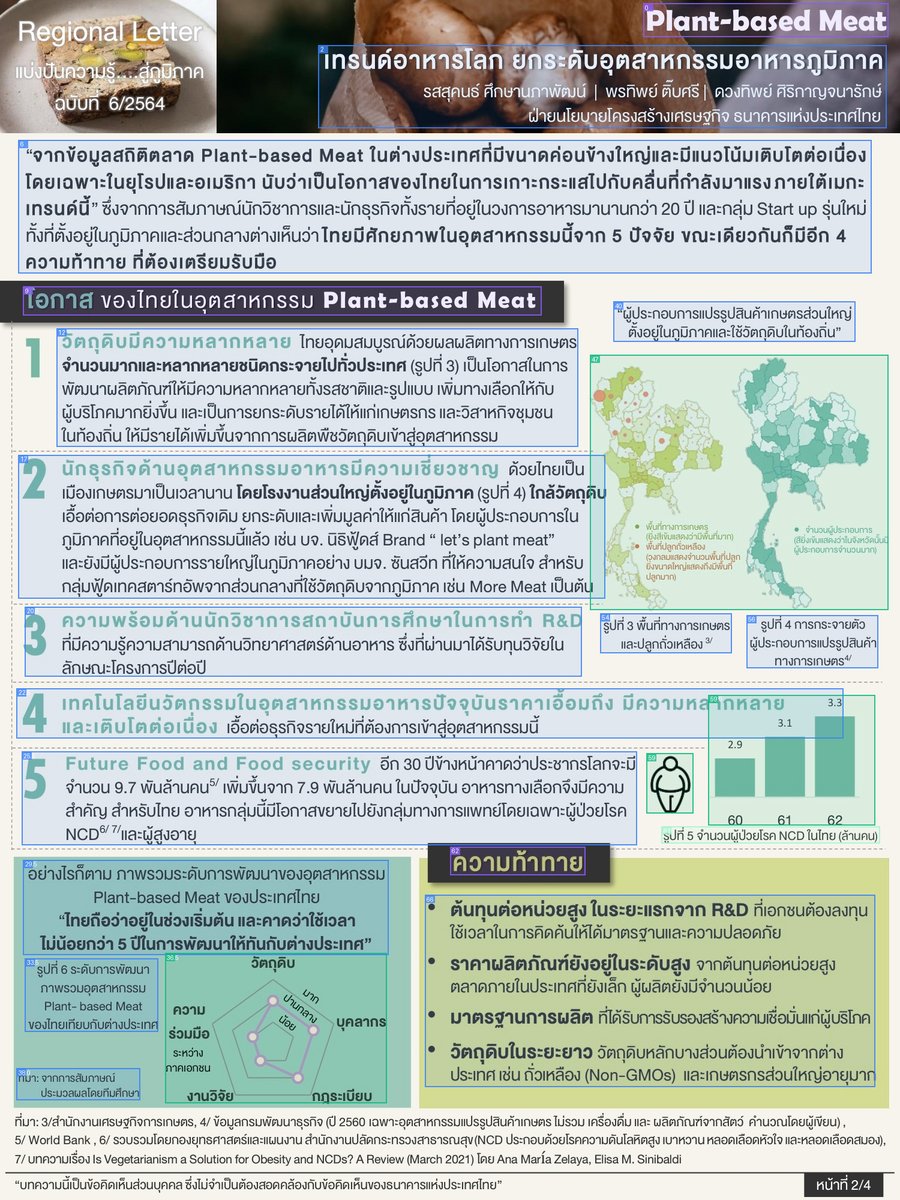
Gemini 2.5 Pro leads overall
Best on low-resource scripts: KM 0.278, LO 0.195, MY 0.214 — strongest multilingual generalization
NED 0.159
Specialized pipelines win on high-resource languages
PaddleOCR-VL leads on EN (0.108) and ZH (0.131) — tailored modules still outperform MLLMs when data is abundant
Pipeline
Layout complexity drives difficulty
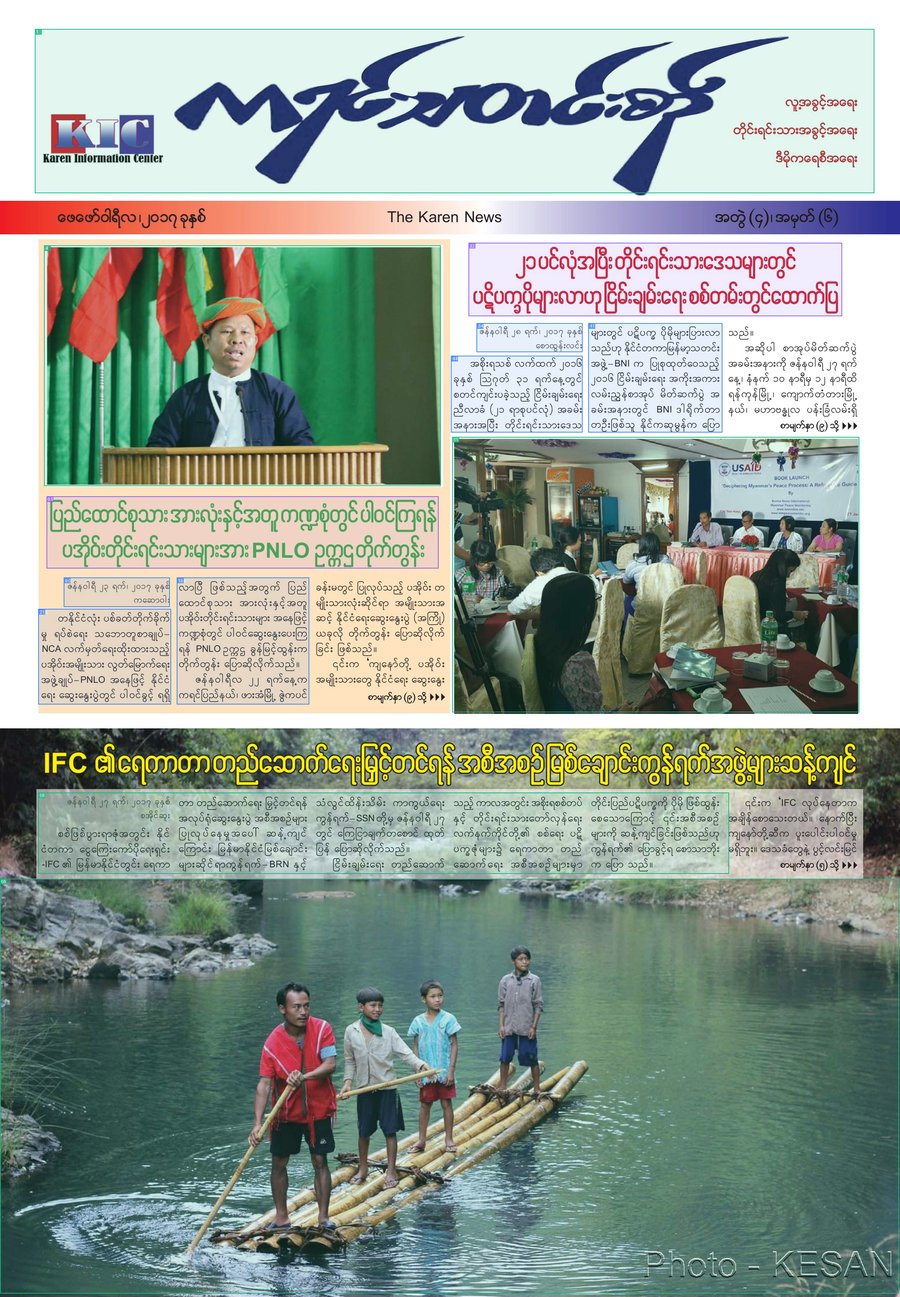
Expert models (dots.ocr) excel on structured layouts; General models (Gemini) dominate complex Magazines & Newspapers
Exam 0.313
Text-Centric VQA — TEC-VQA
Task remains far from solved
Overall average accuracy across all models and languages — substantial room for improvement
Avg 32.36%
Qwen3-VL-32B best overall
EN reaches 71.69% and ZH 64.40%, but LO drops to 22.64%, KM to 15.69%, MY to 11.73%
40.14%
5–7× accuracy gap: high vs. low-resource
EN/ZH avg ~62%/49% vs. LO/KM/MY avg 13%/11%/8% — low-resource scripts remain a critical bottleneck
5–7×

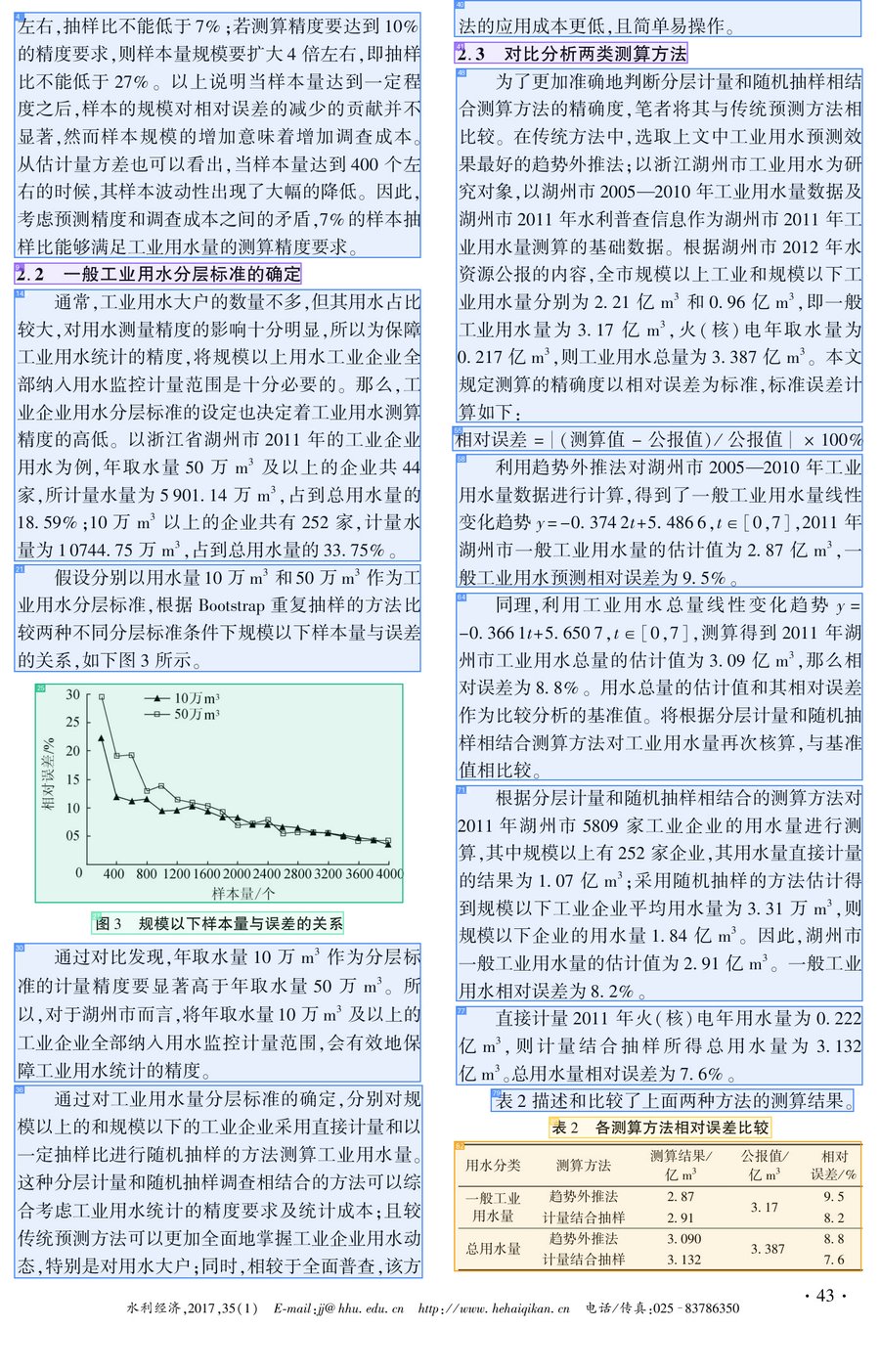
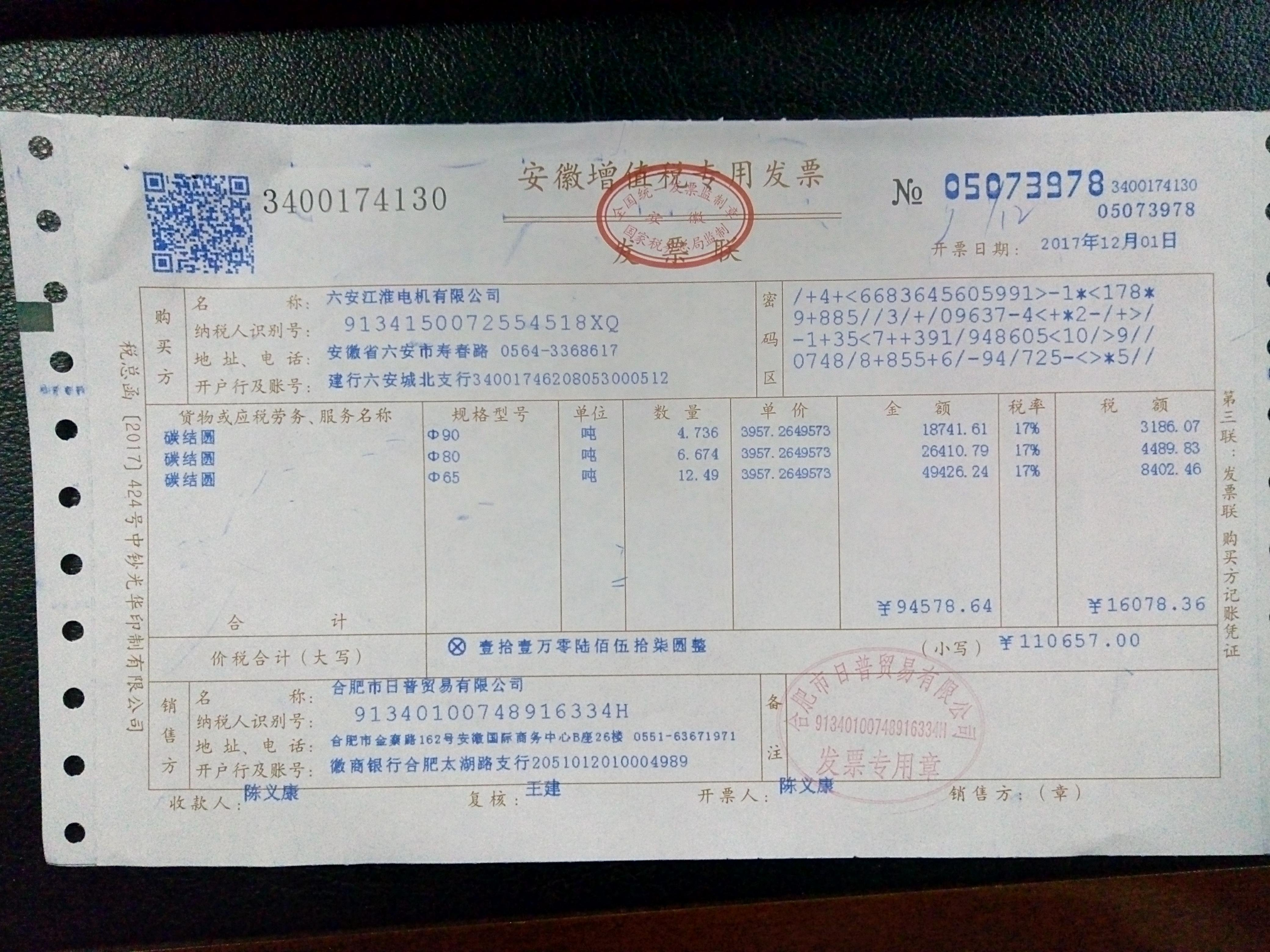
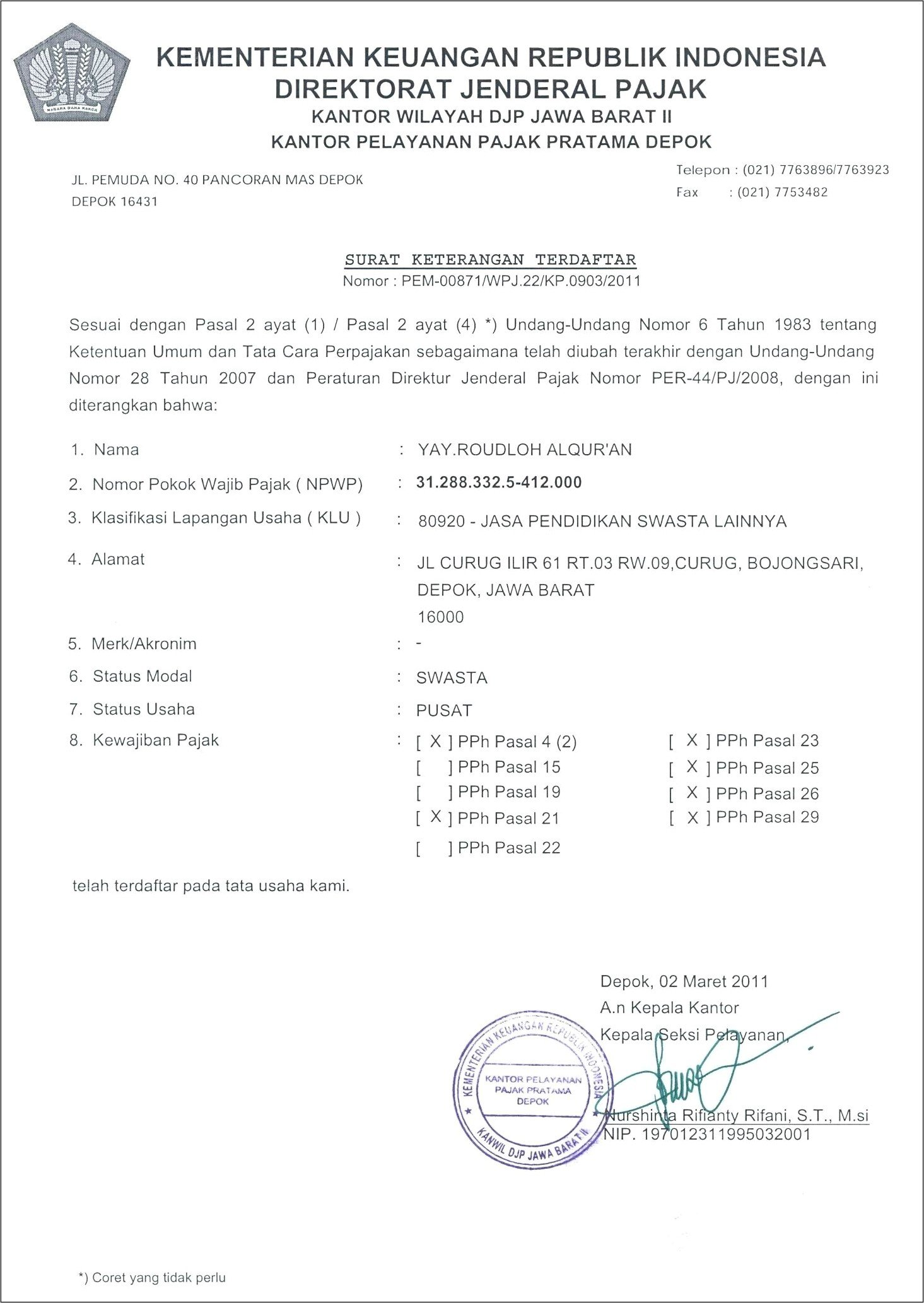
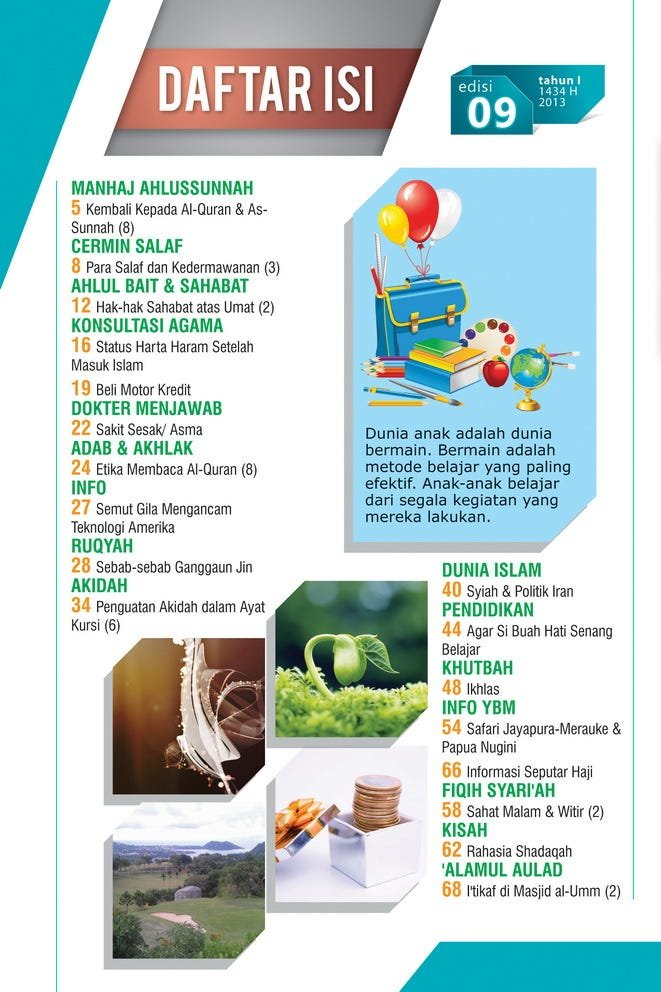
Case Studies: SEA-DocBench

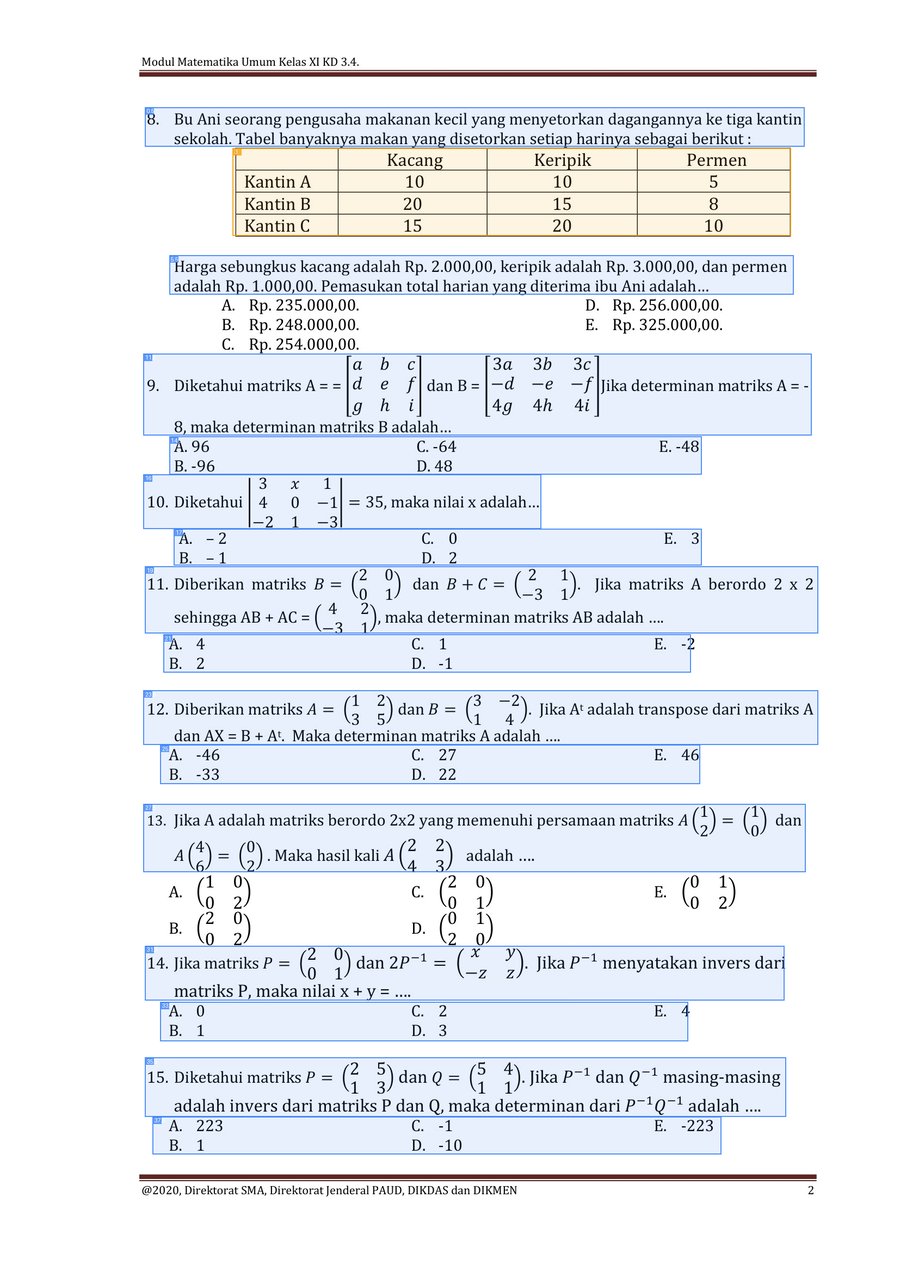
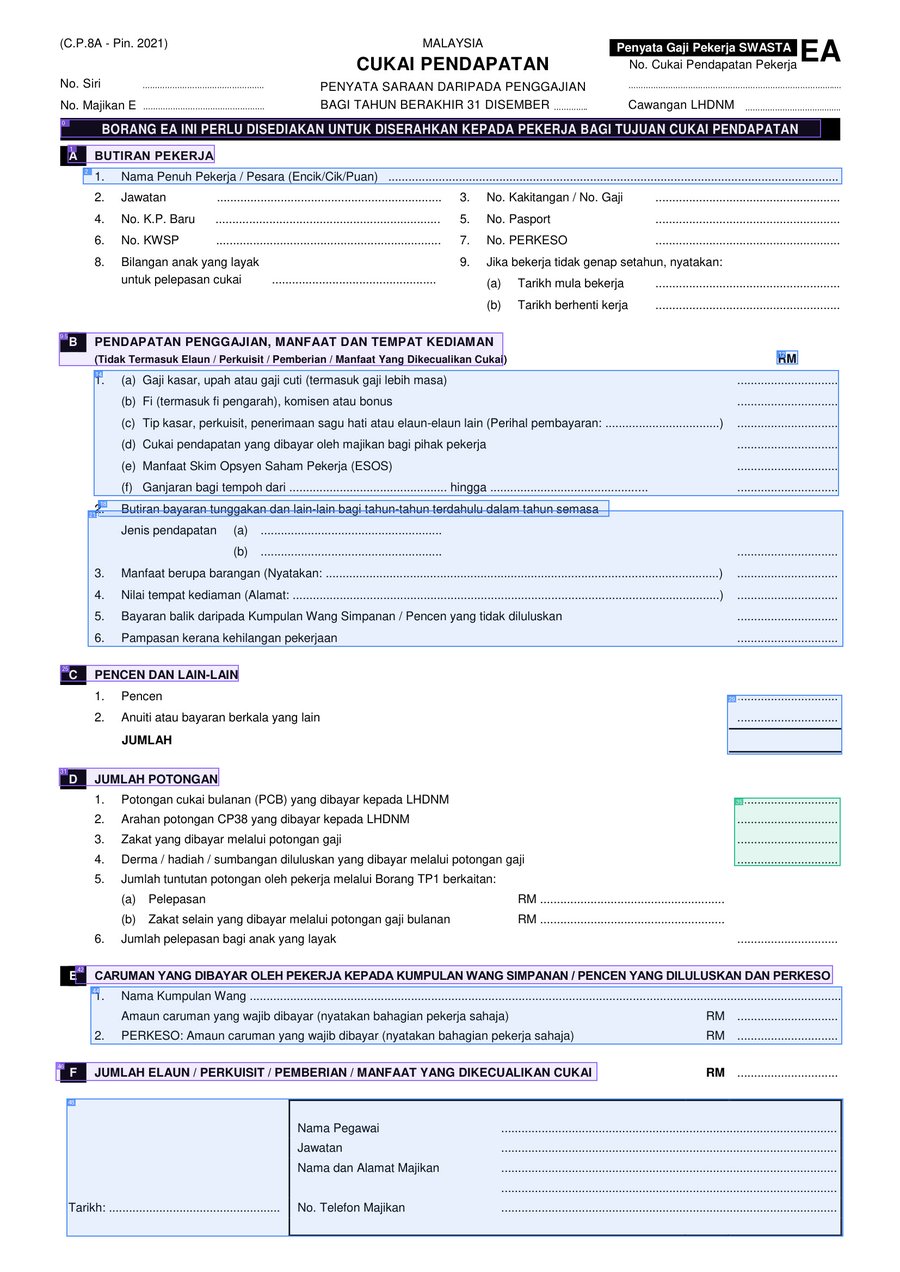
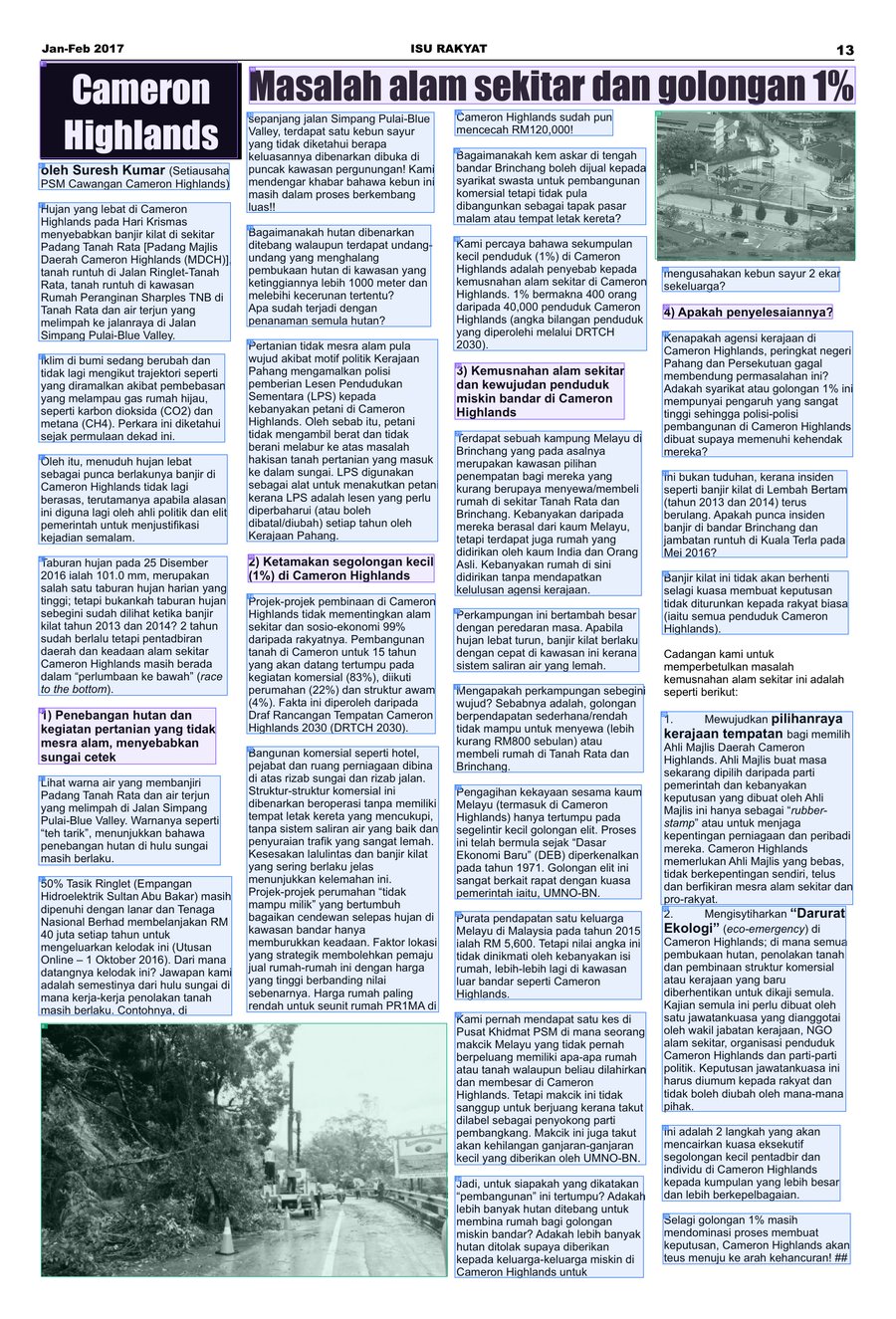
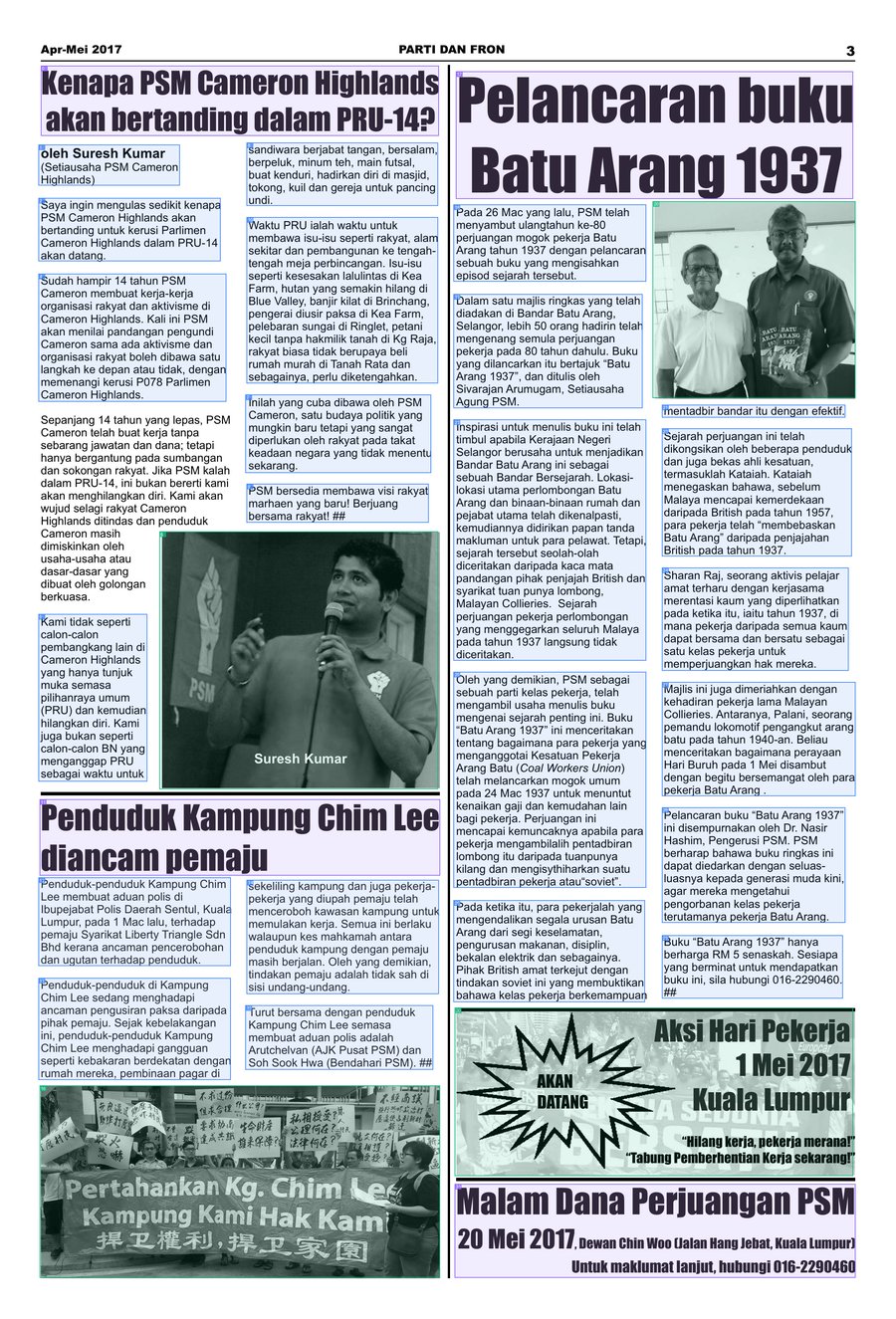
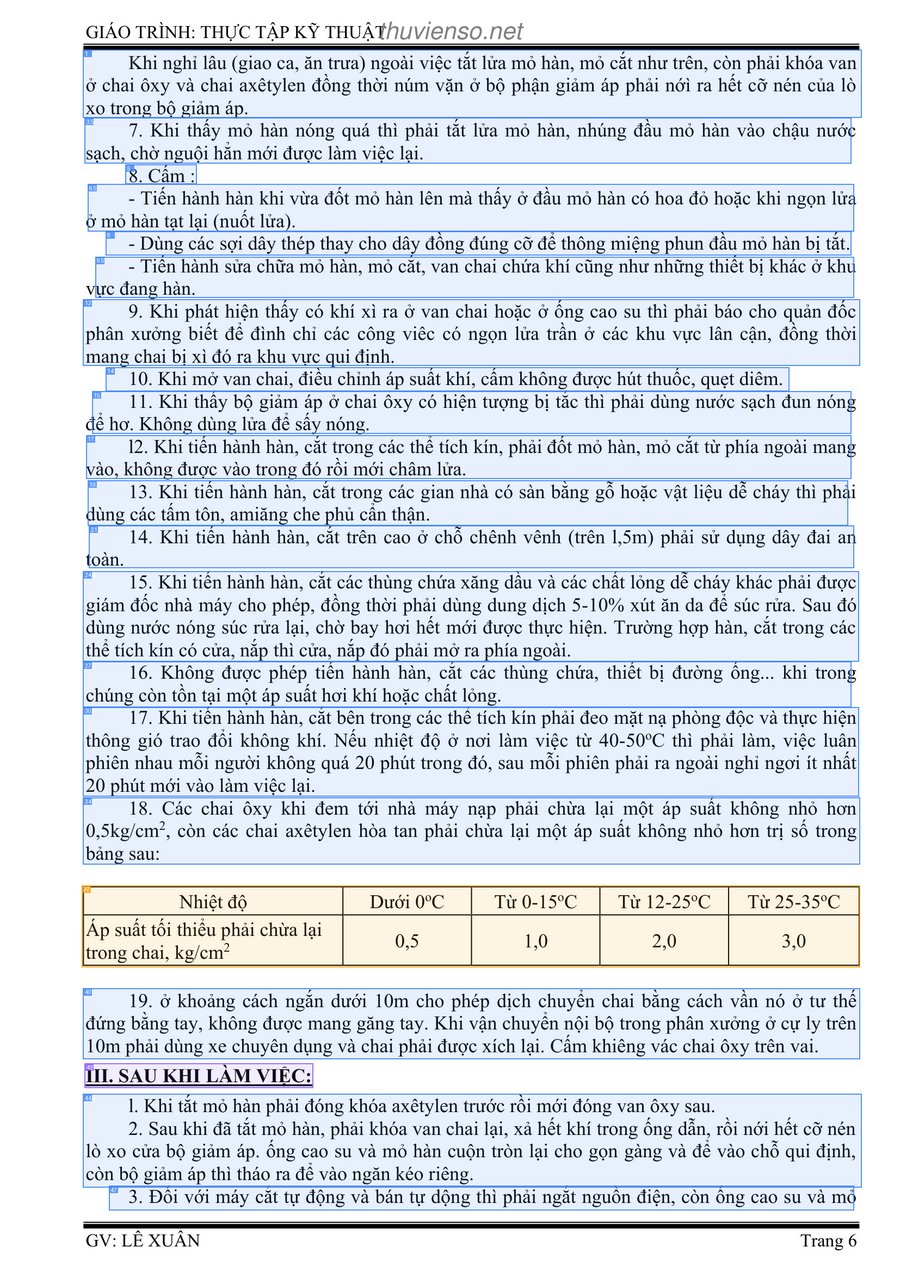
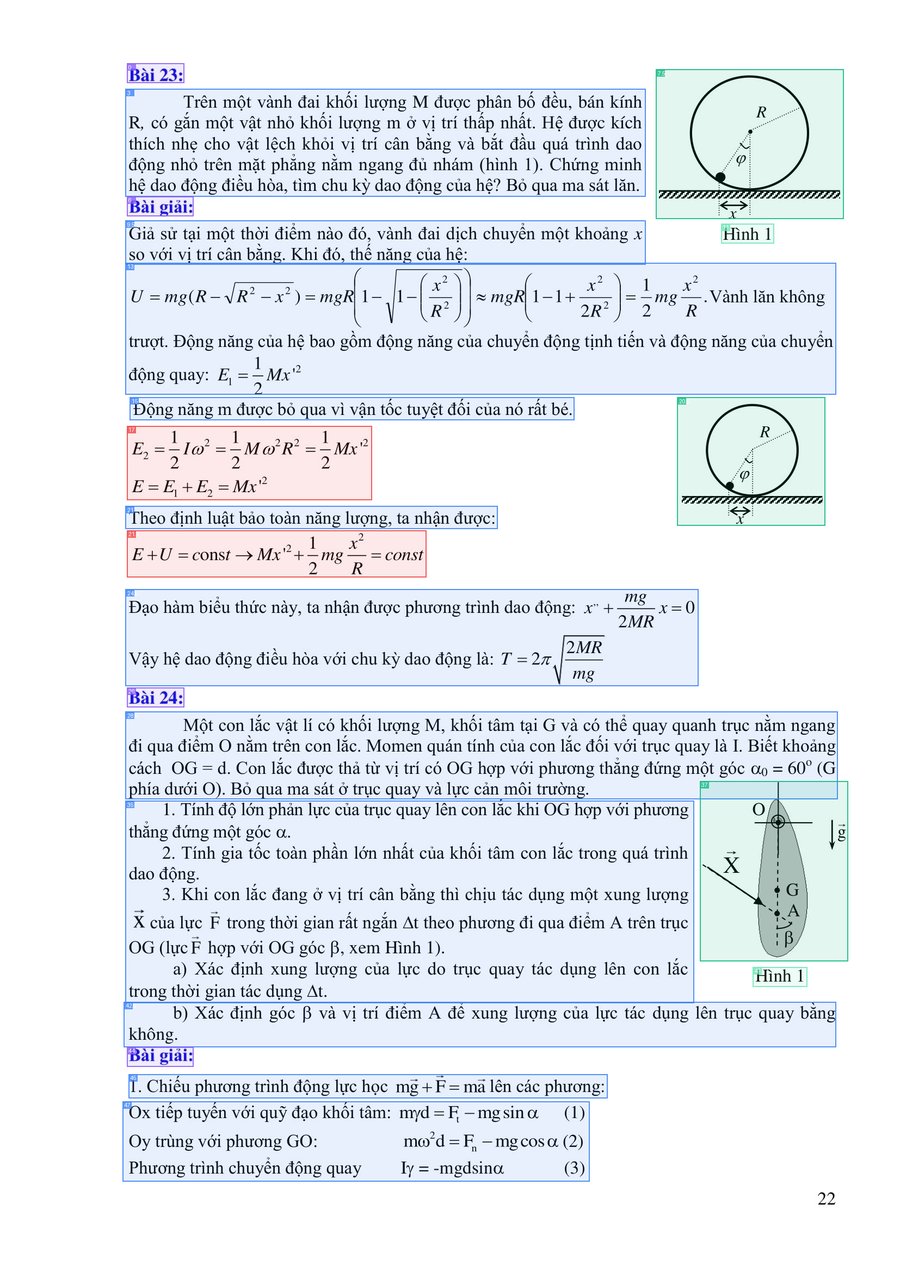
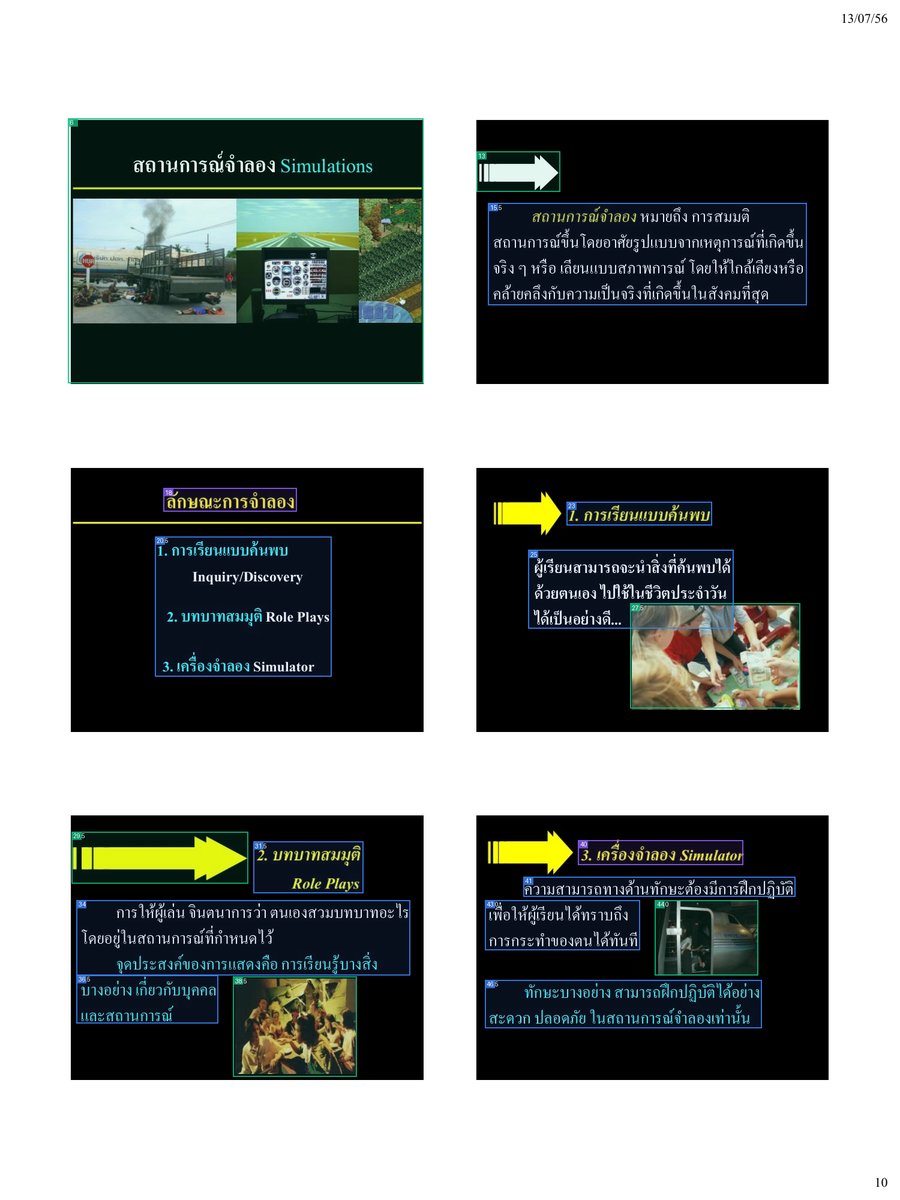
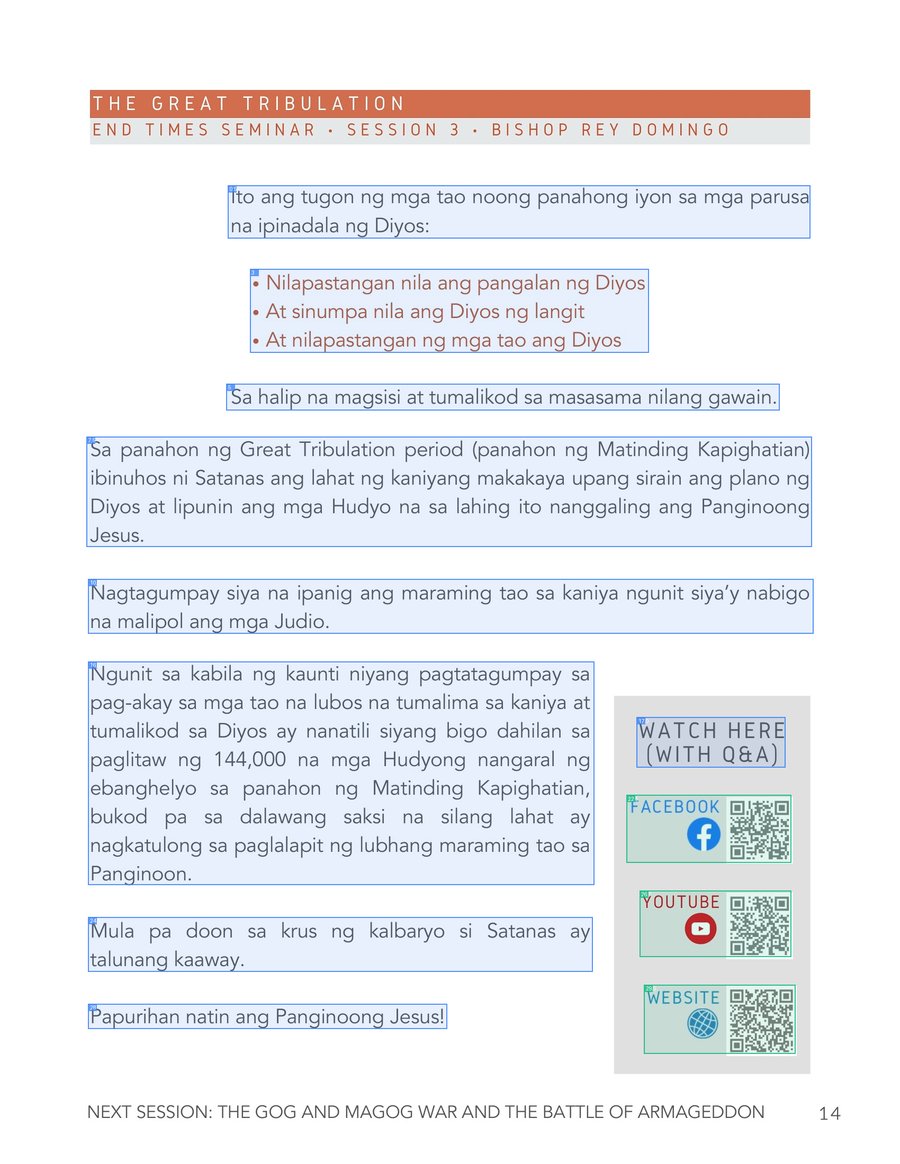
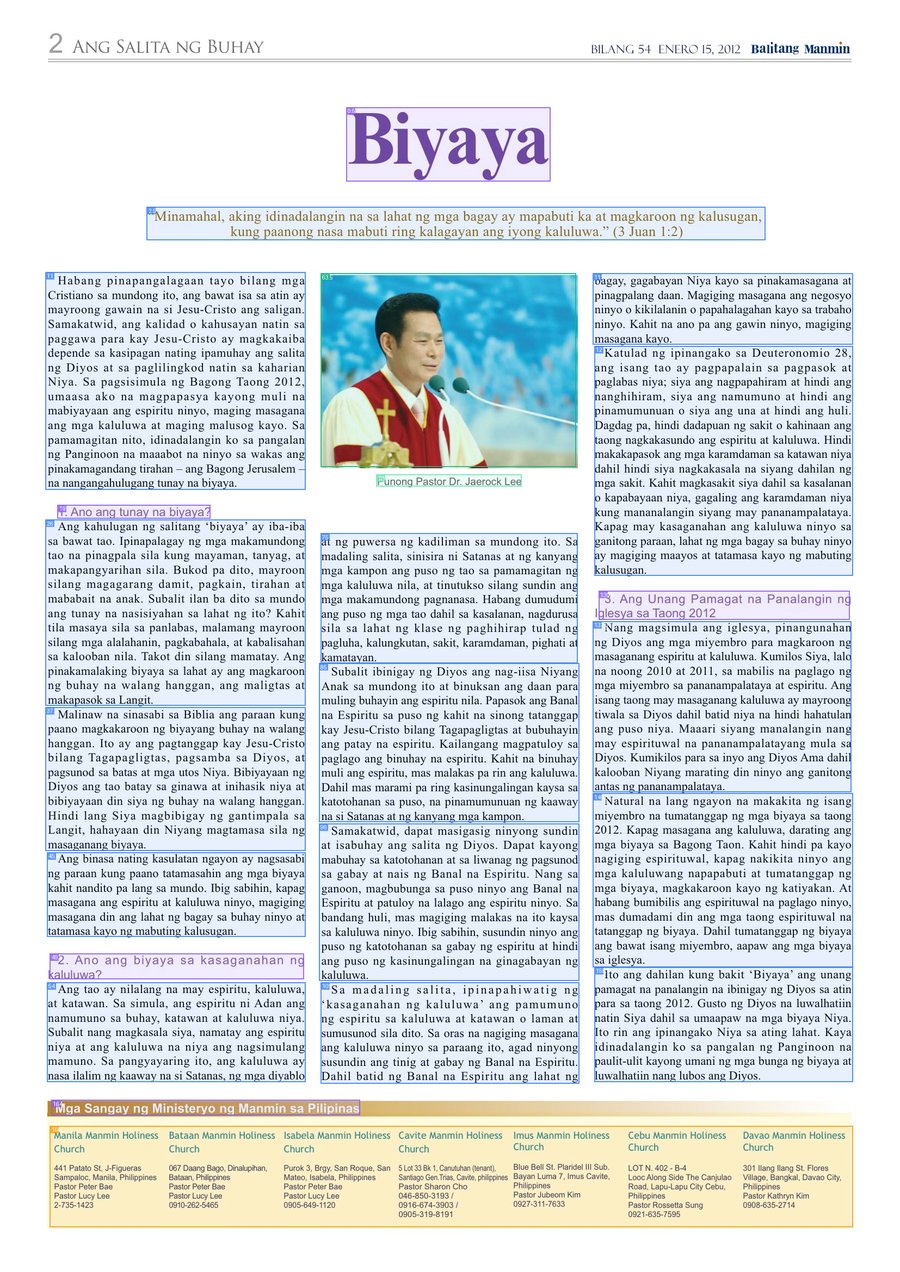
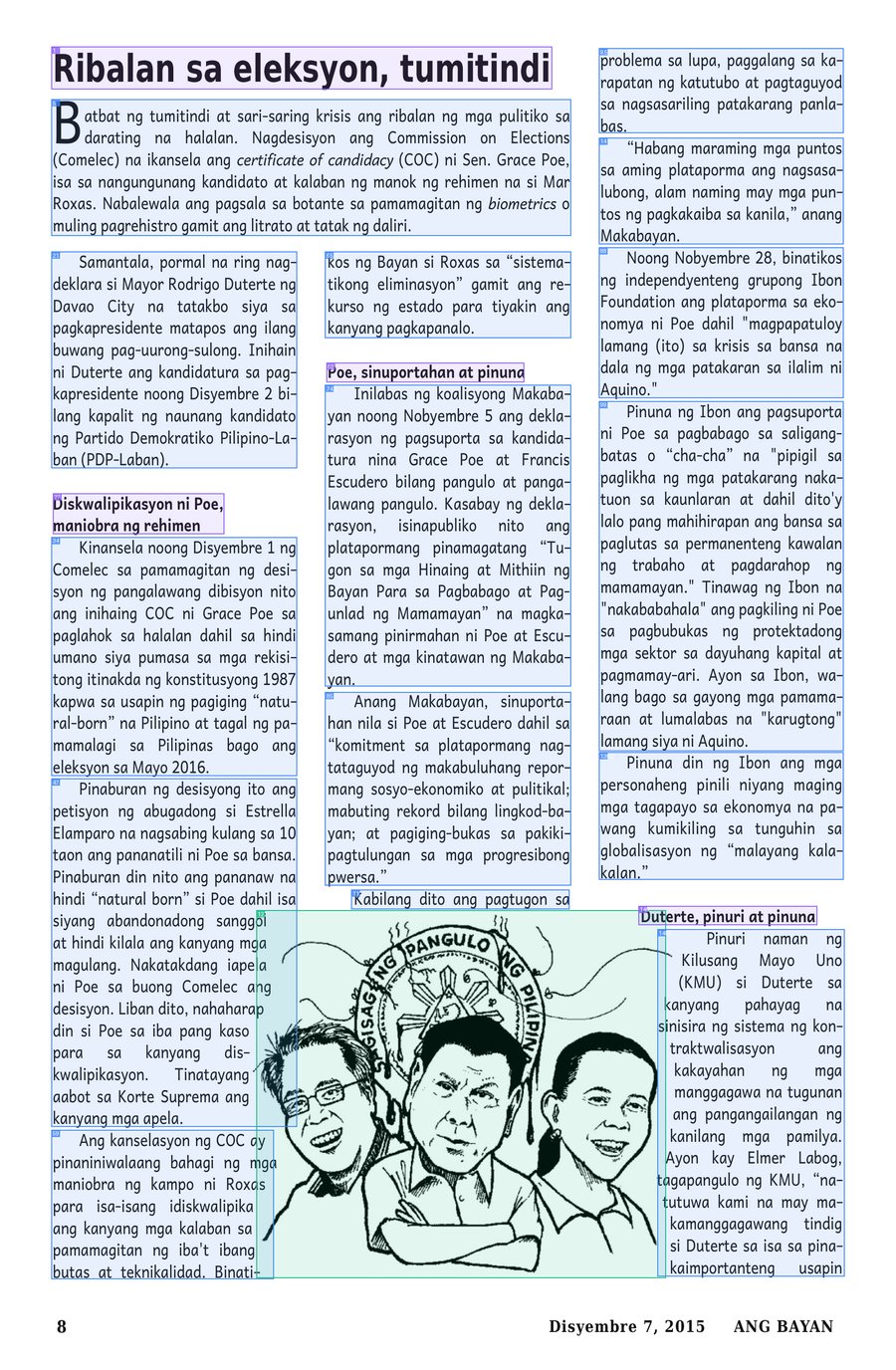
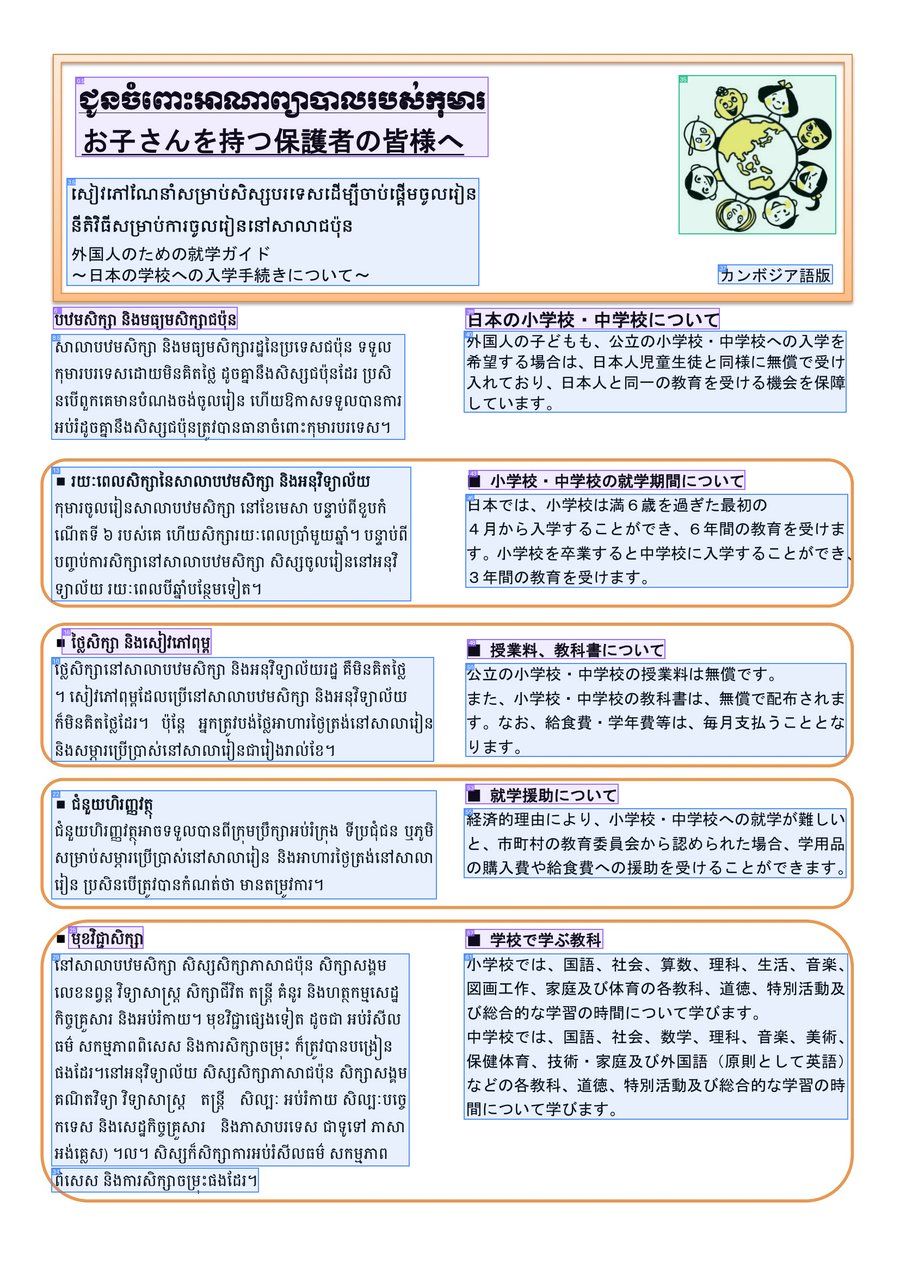
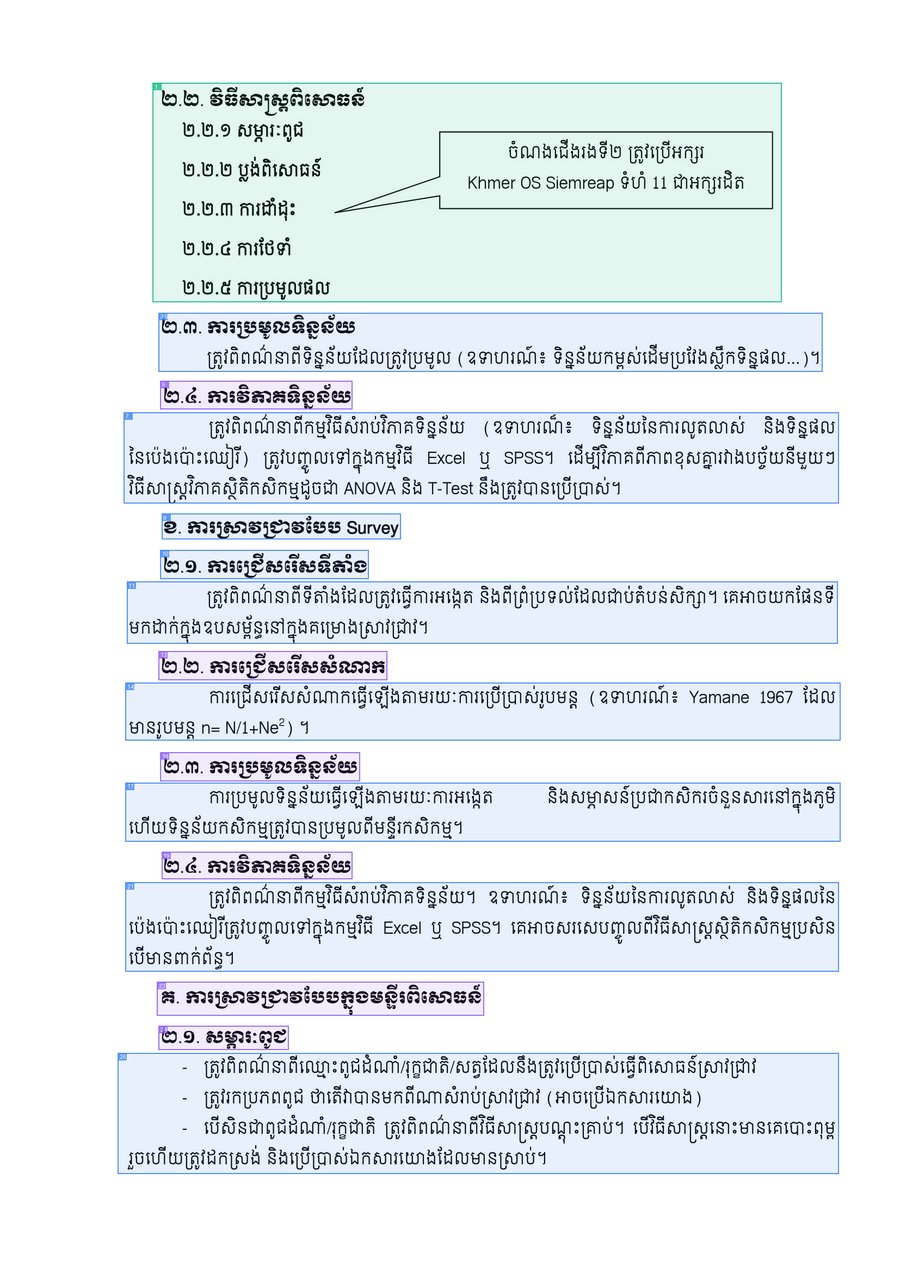
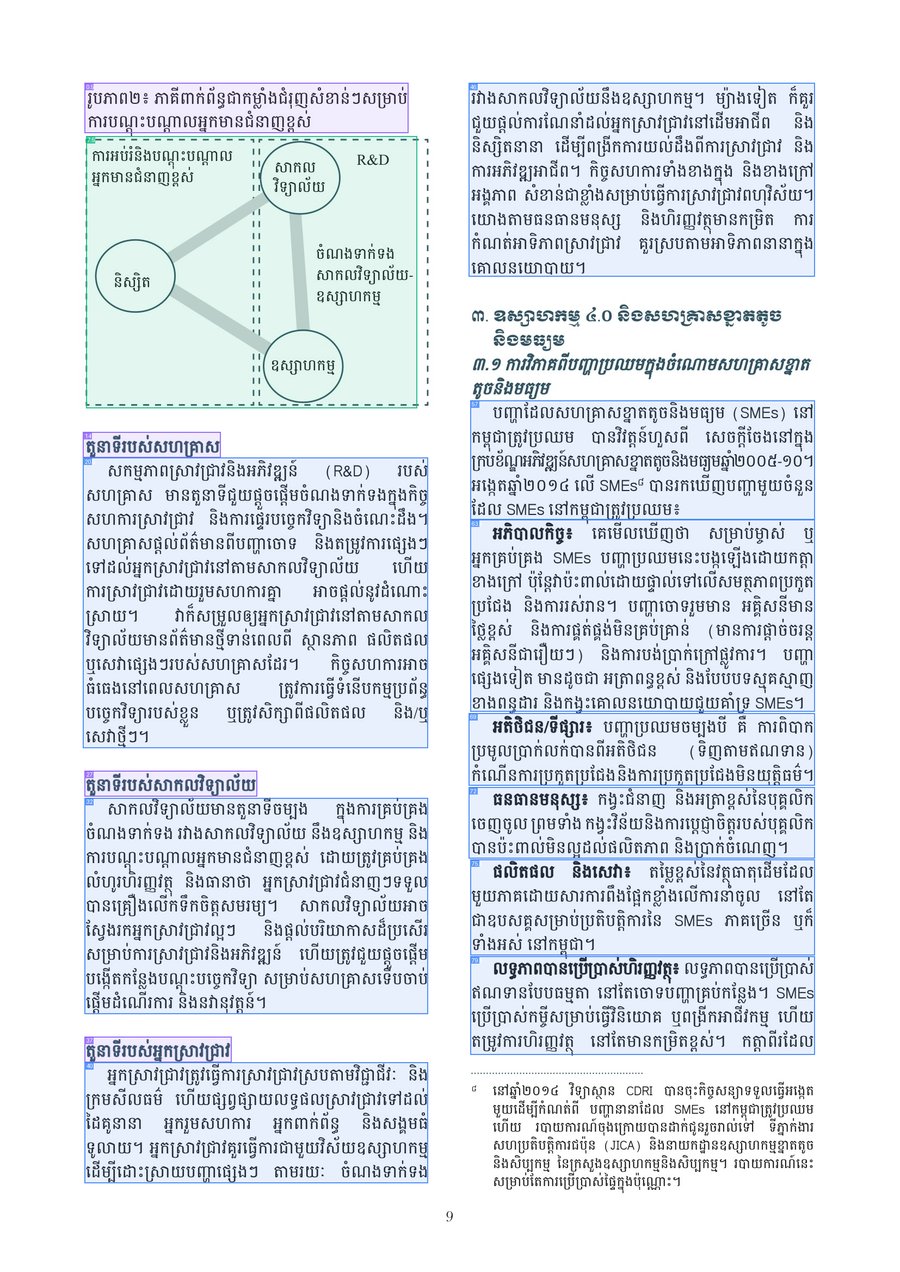
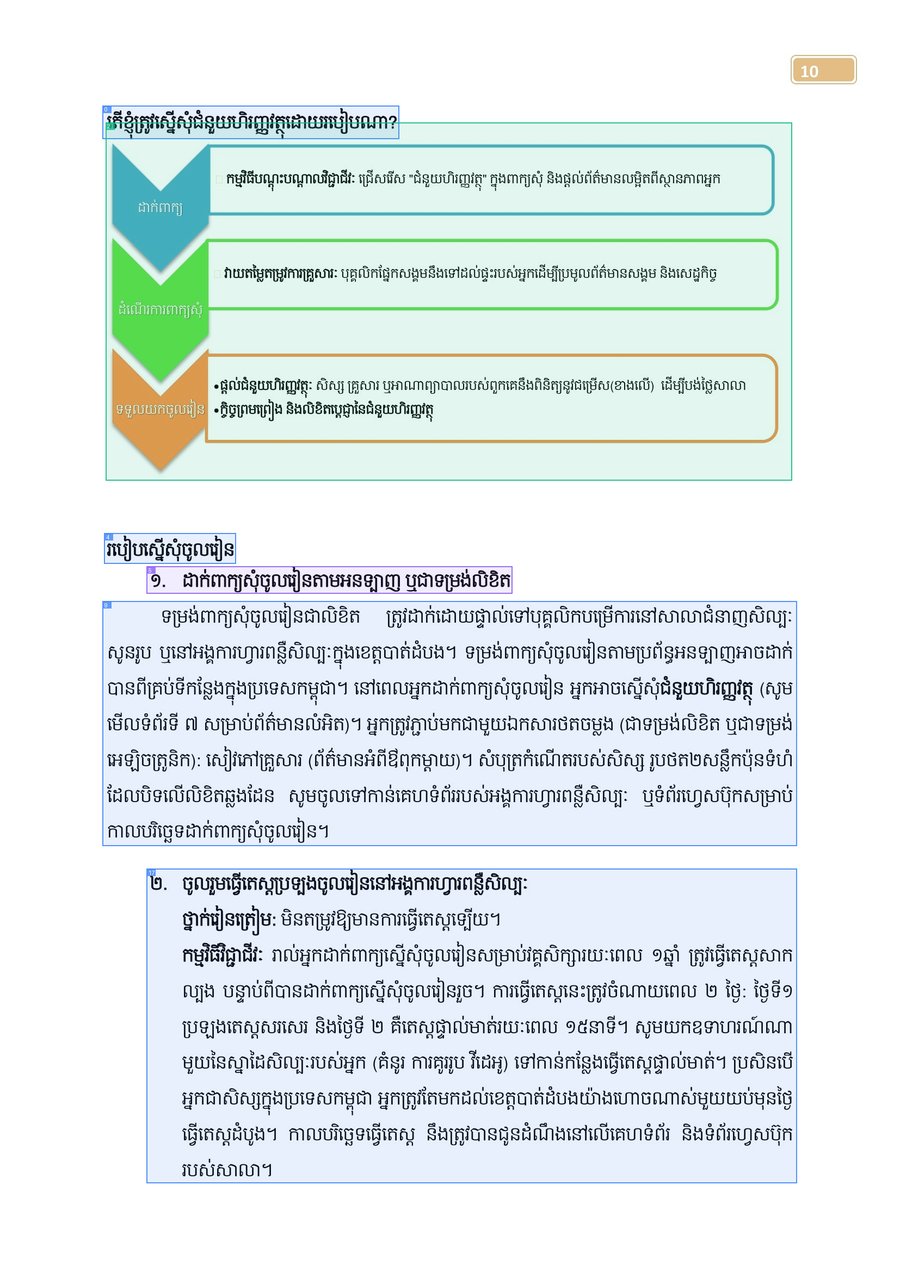
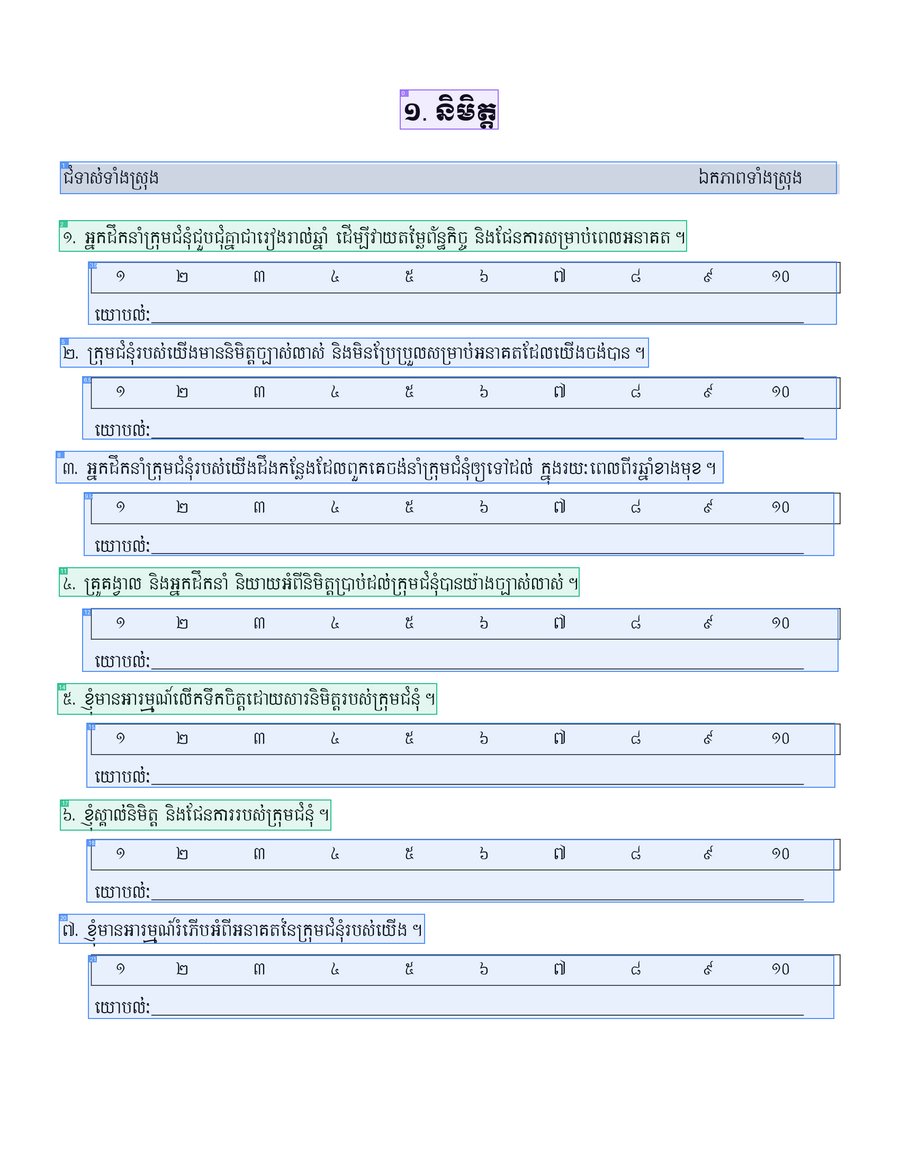
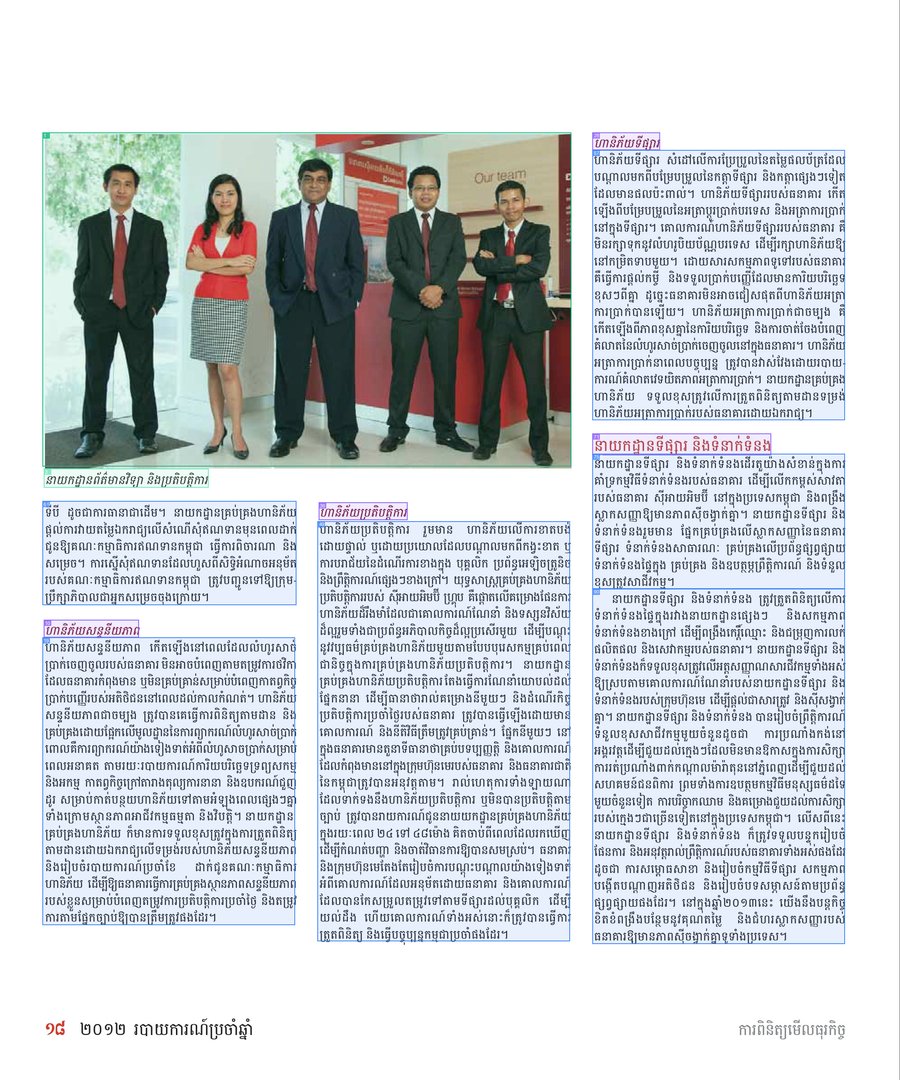
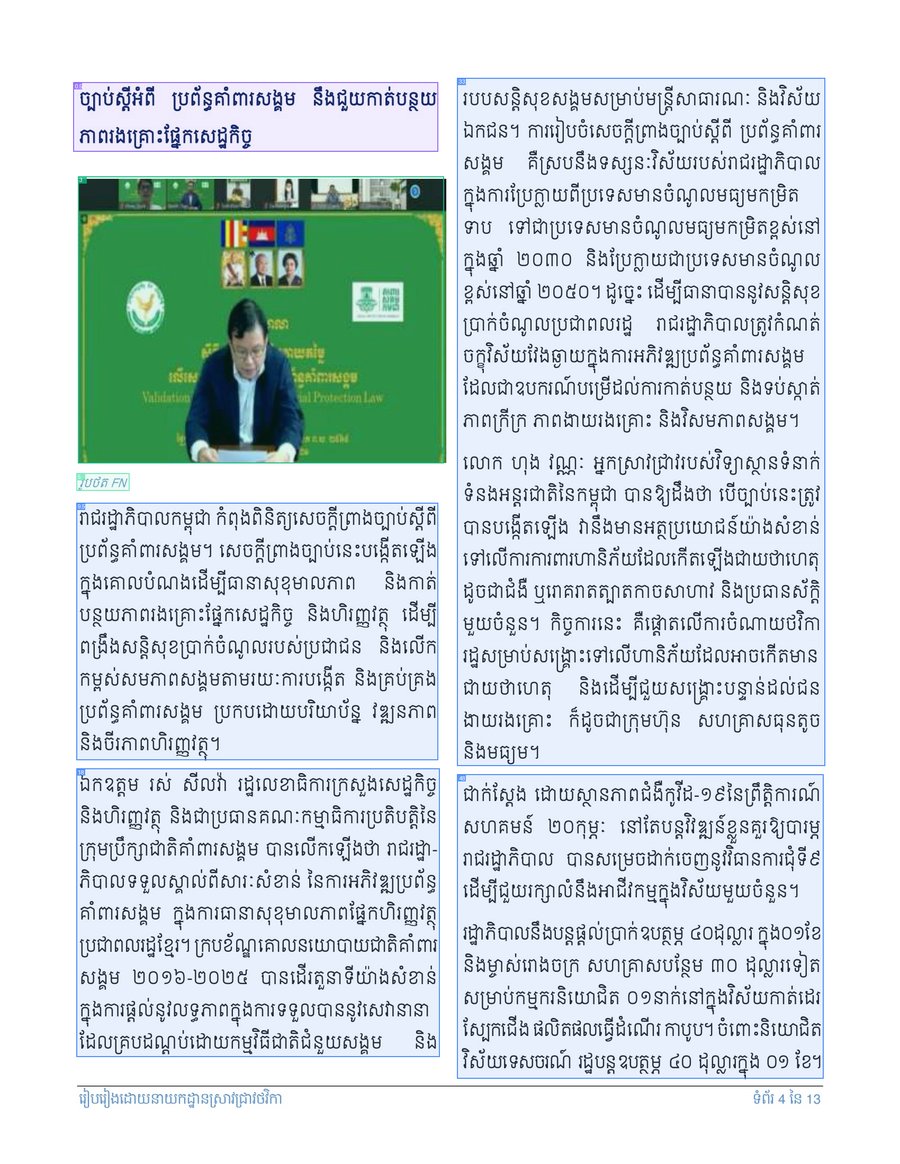
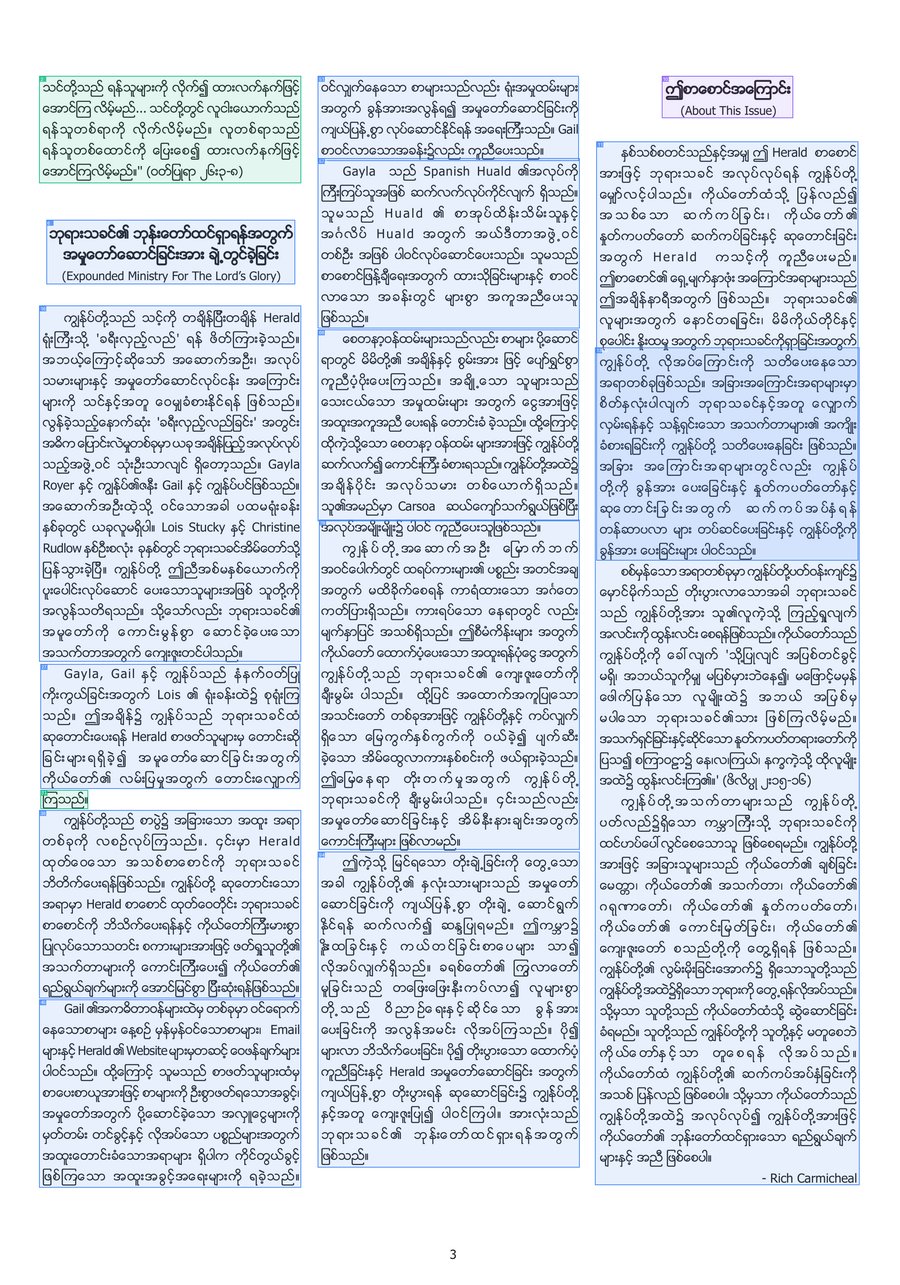
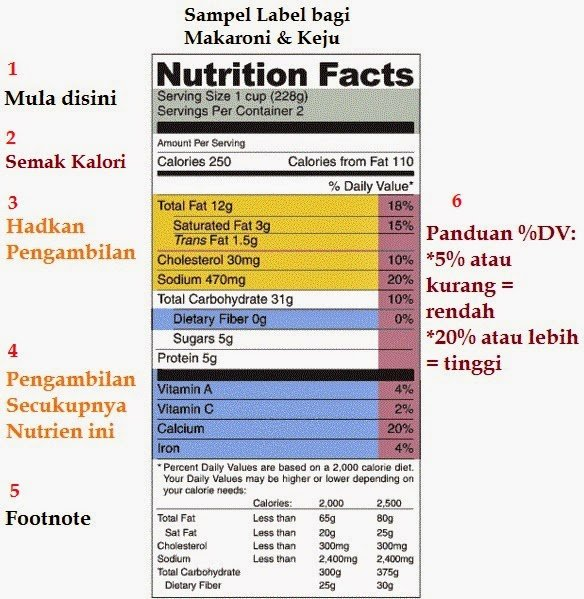
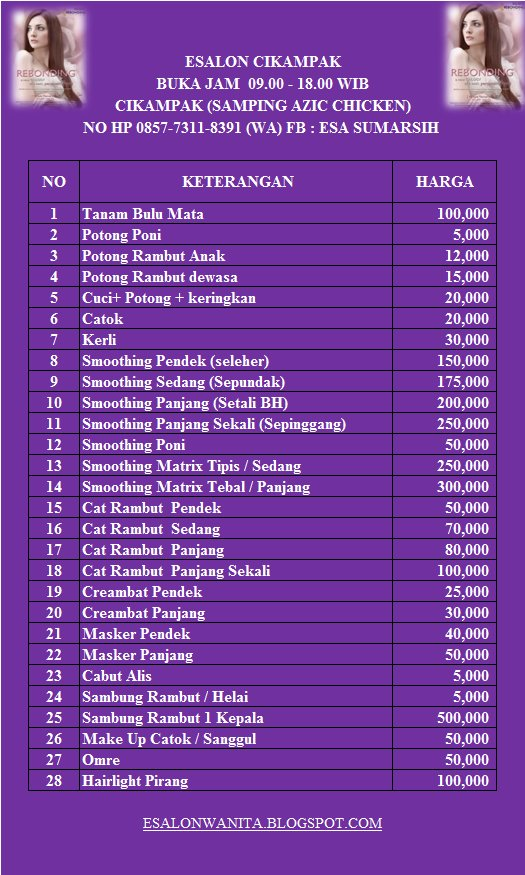
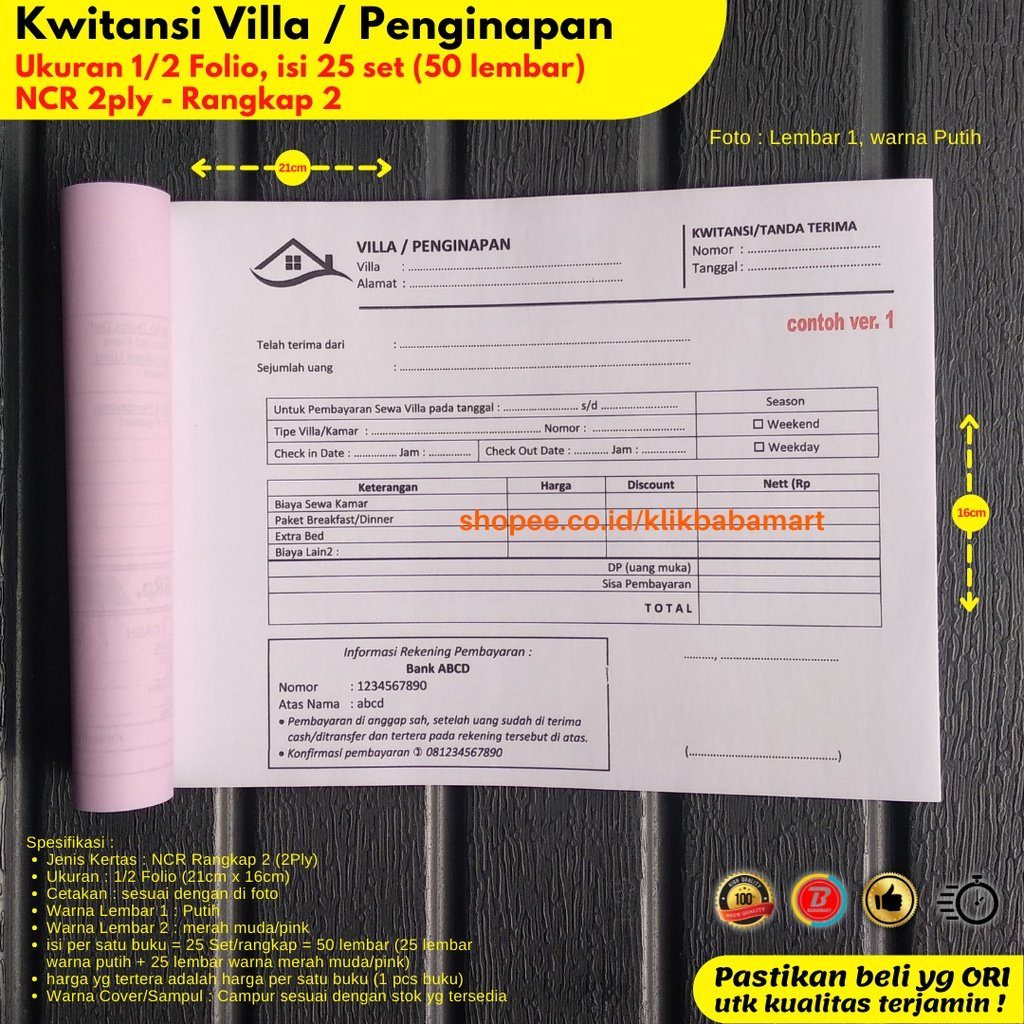
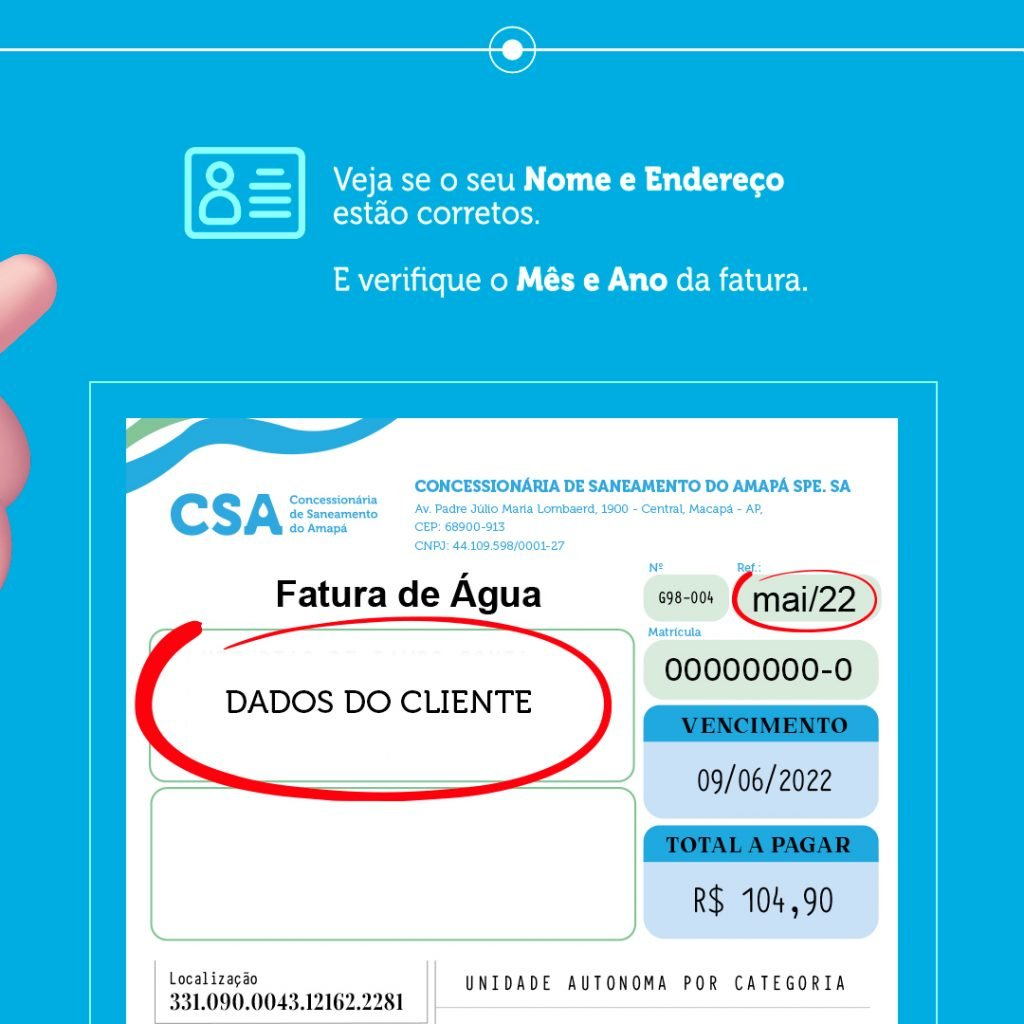
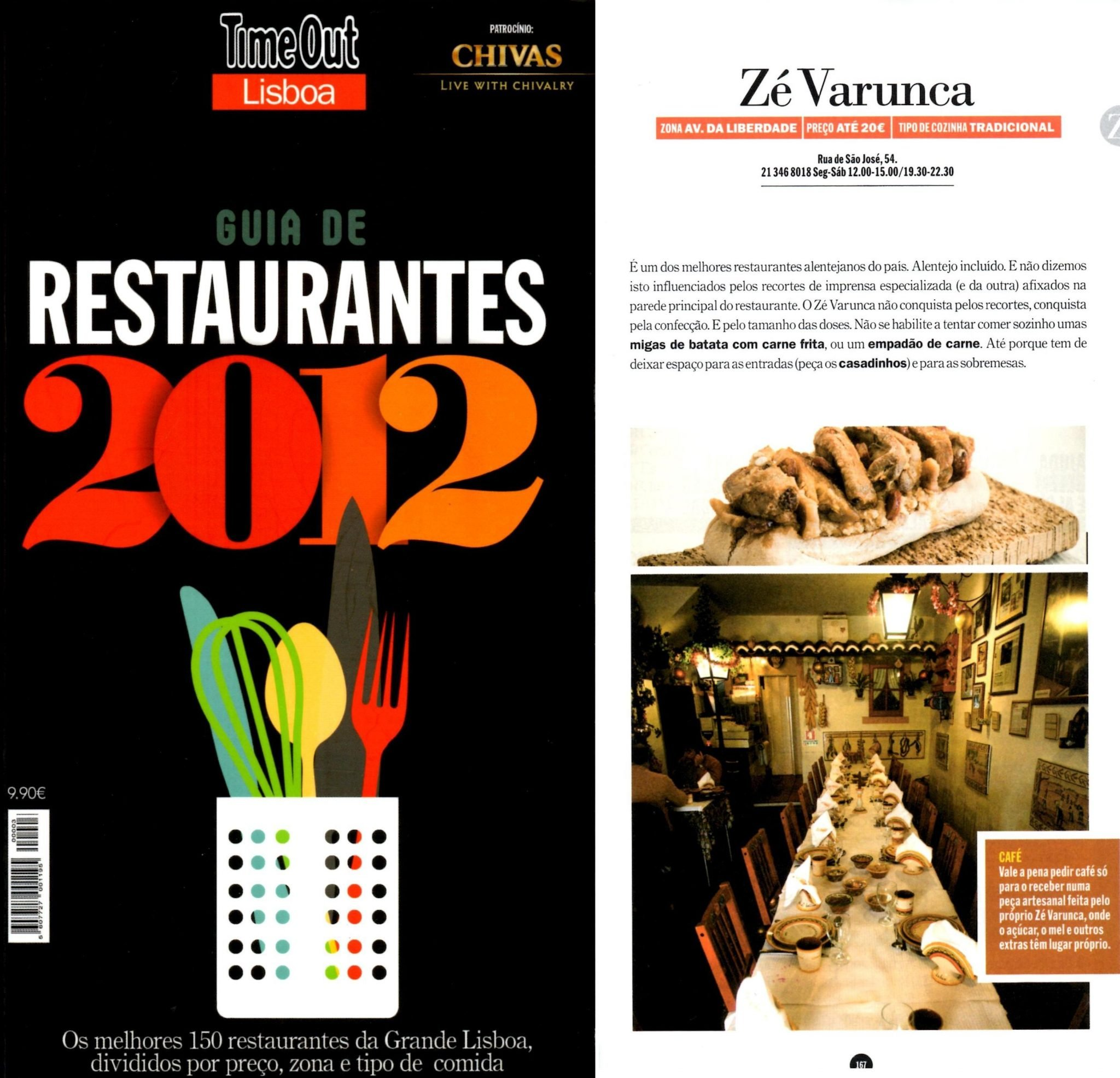
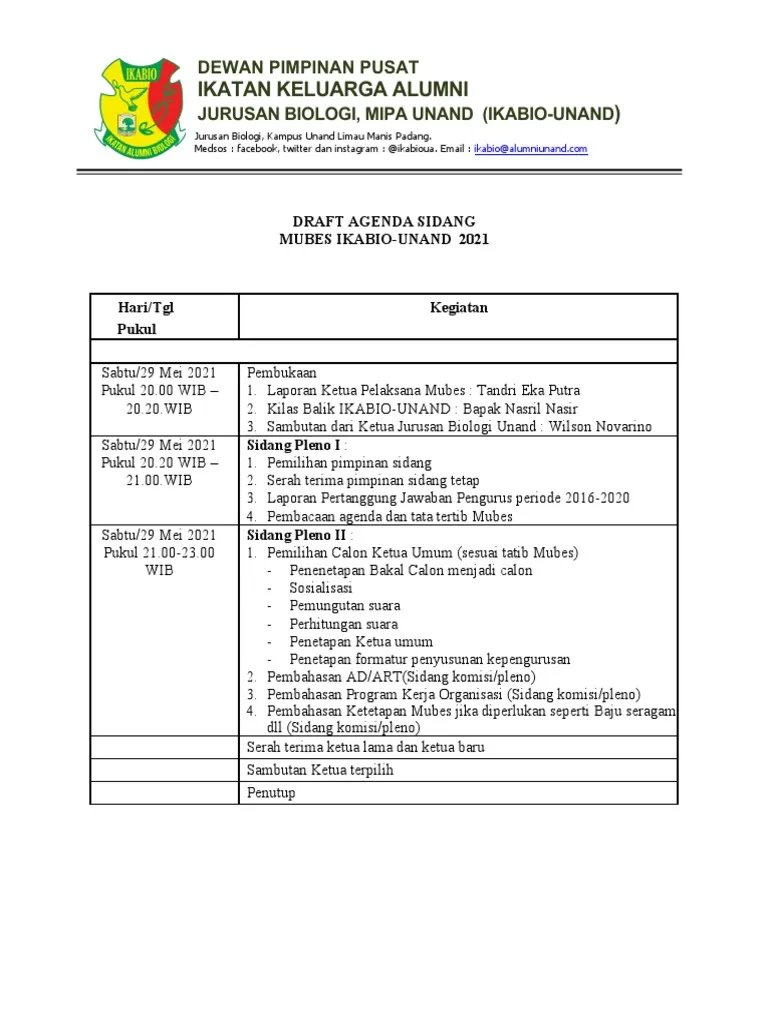
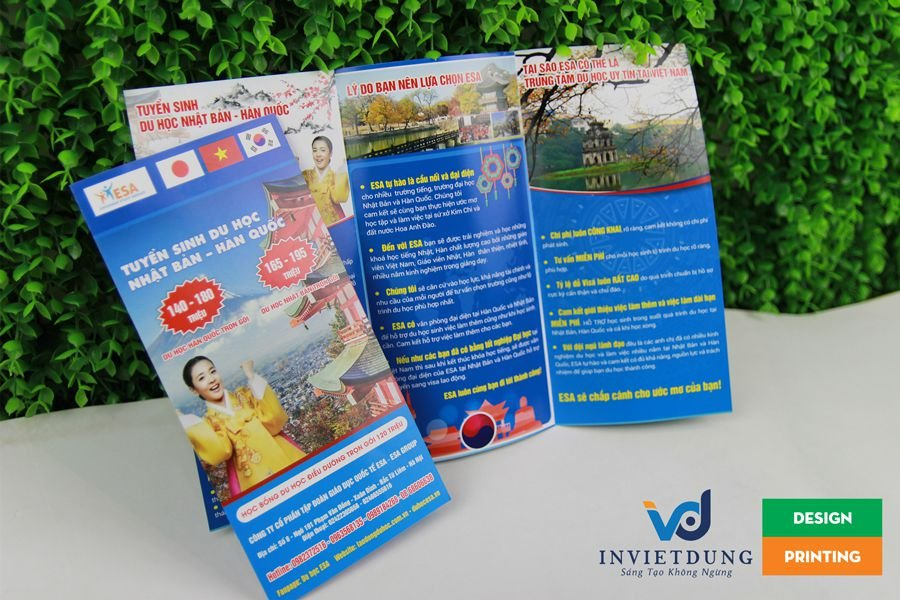
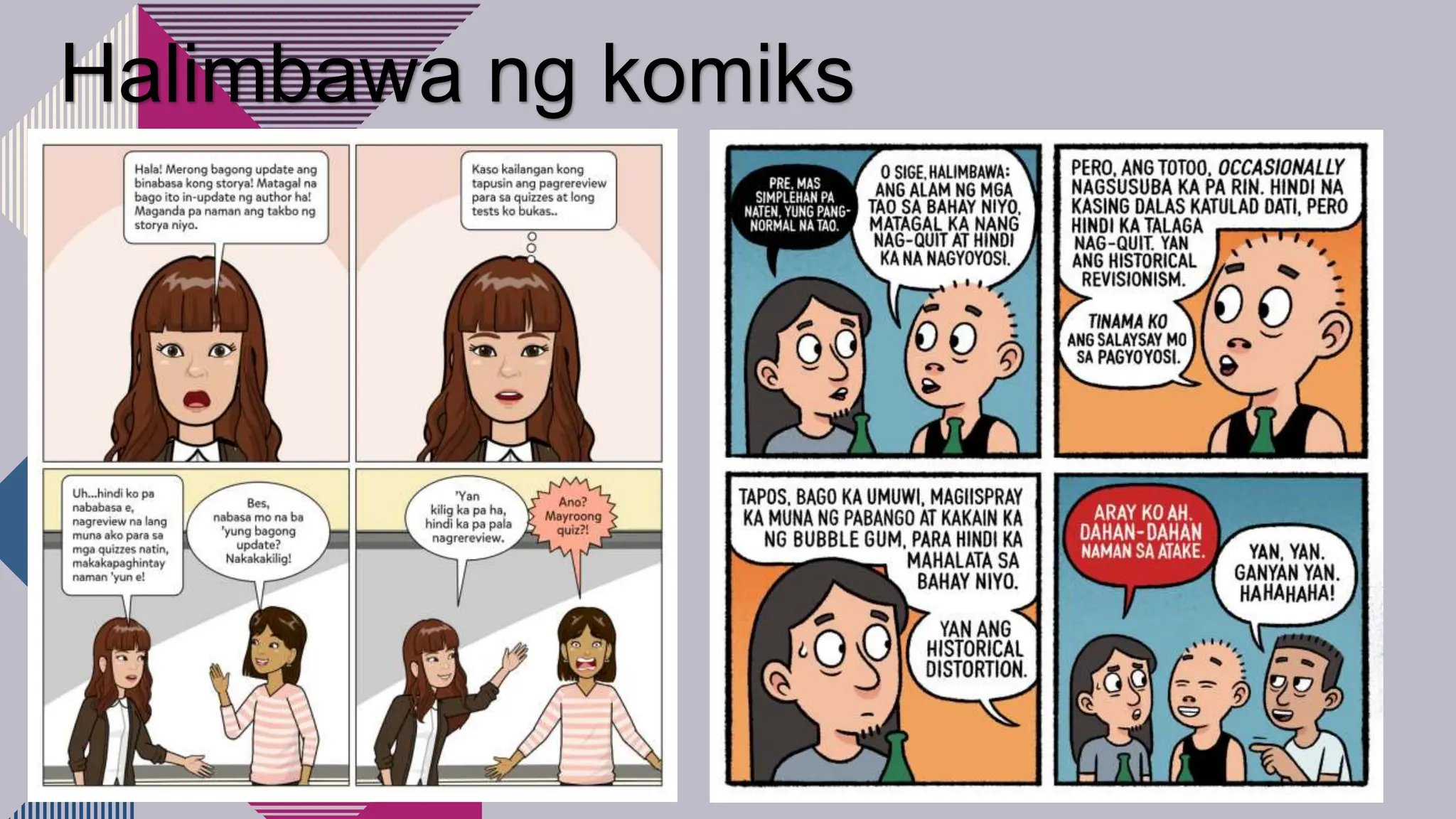
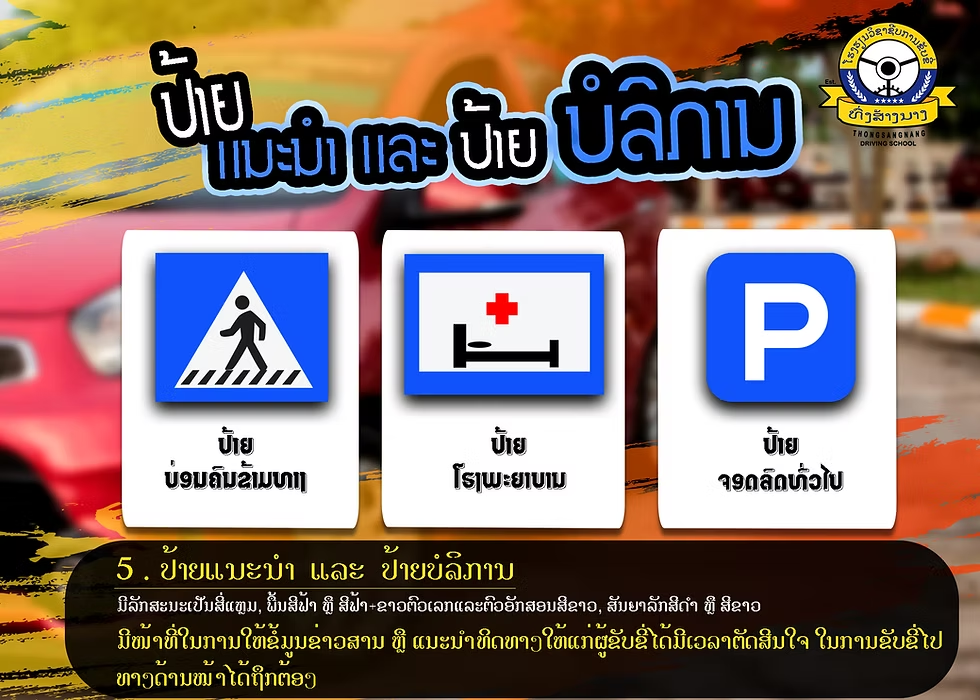
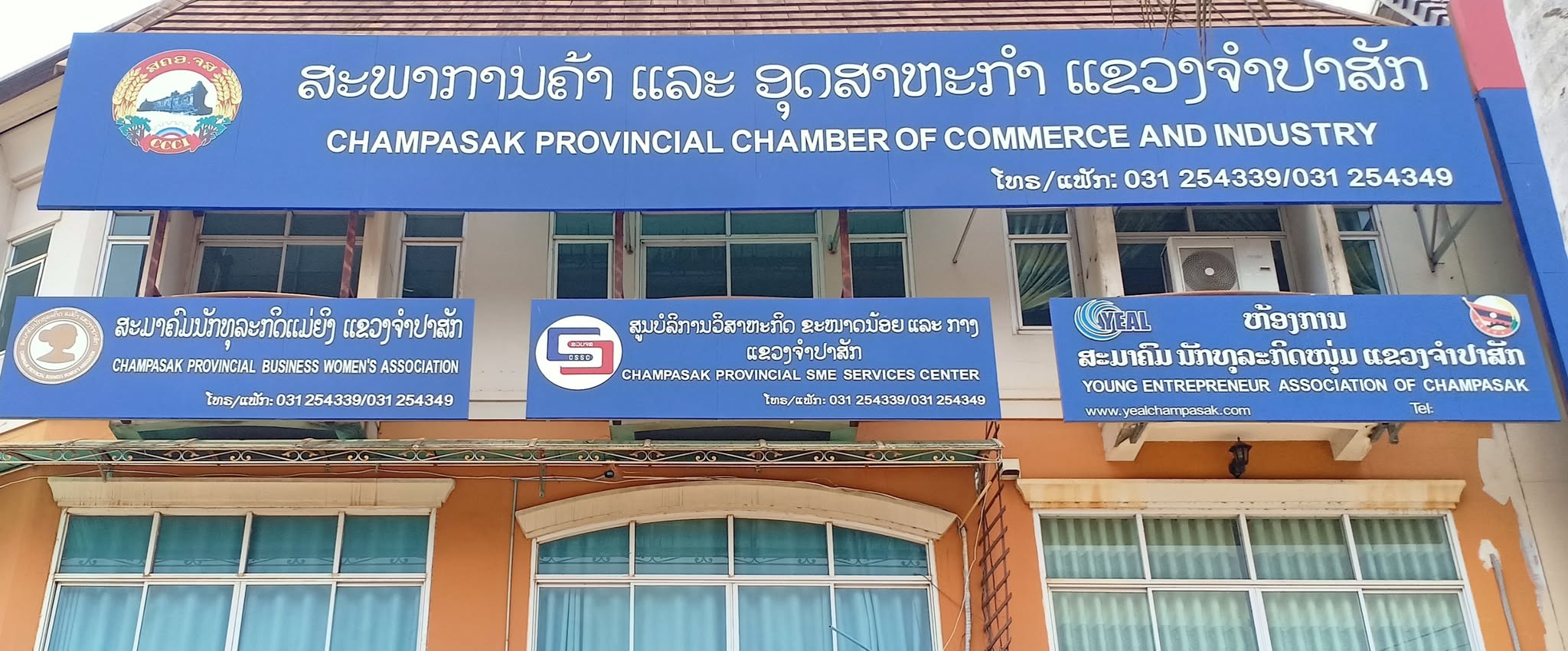
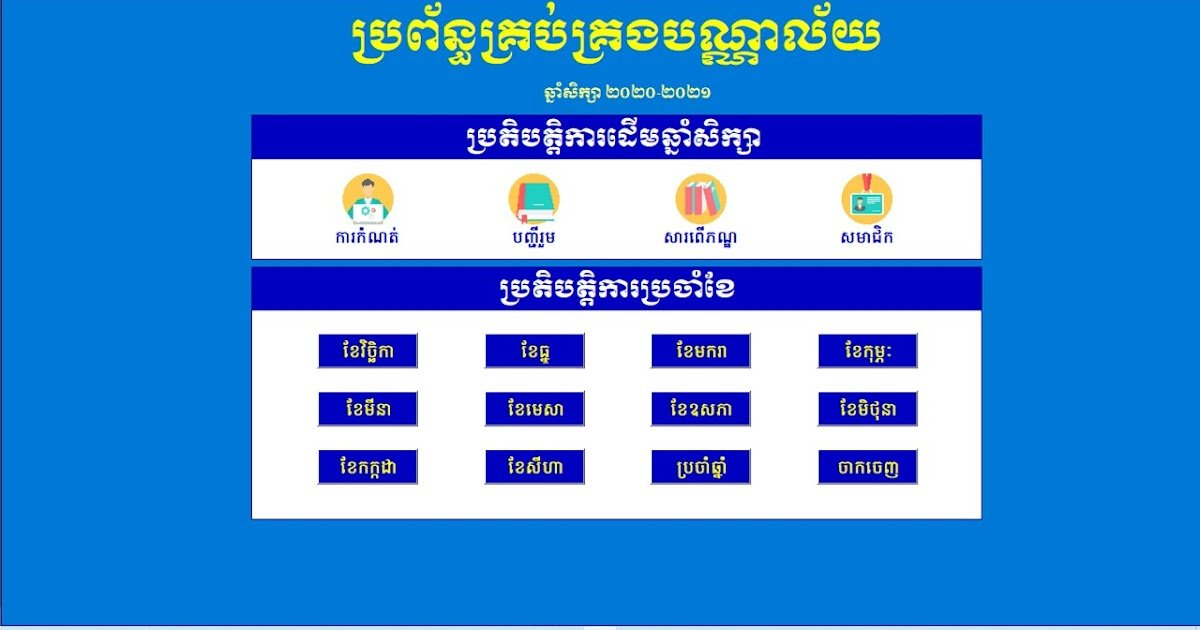
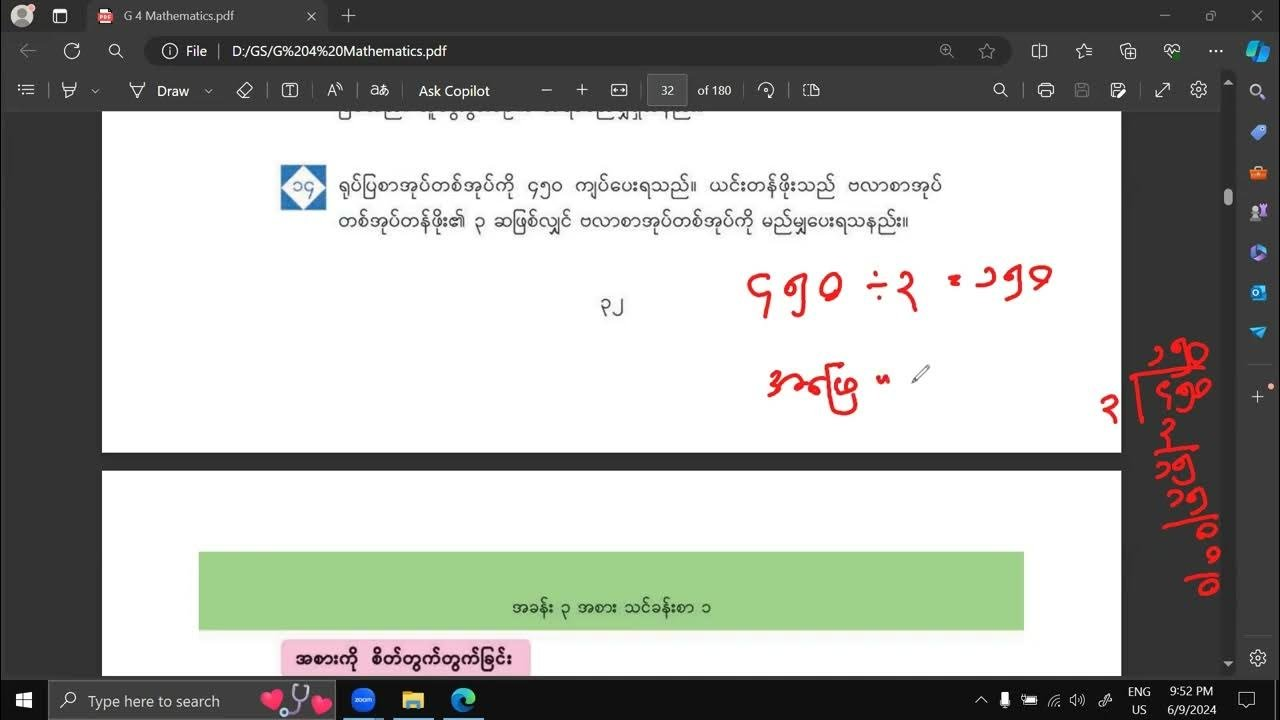
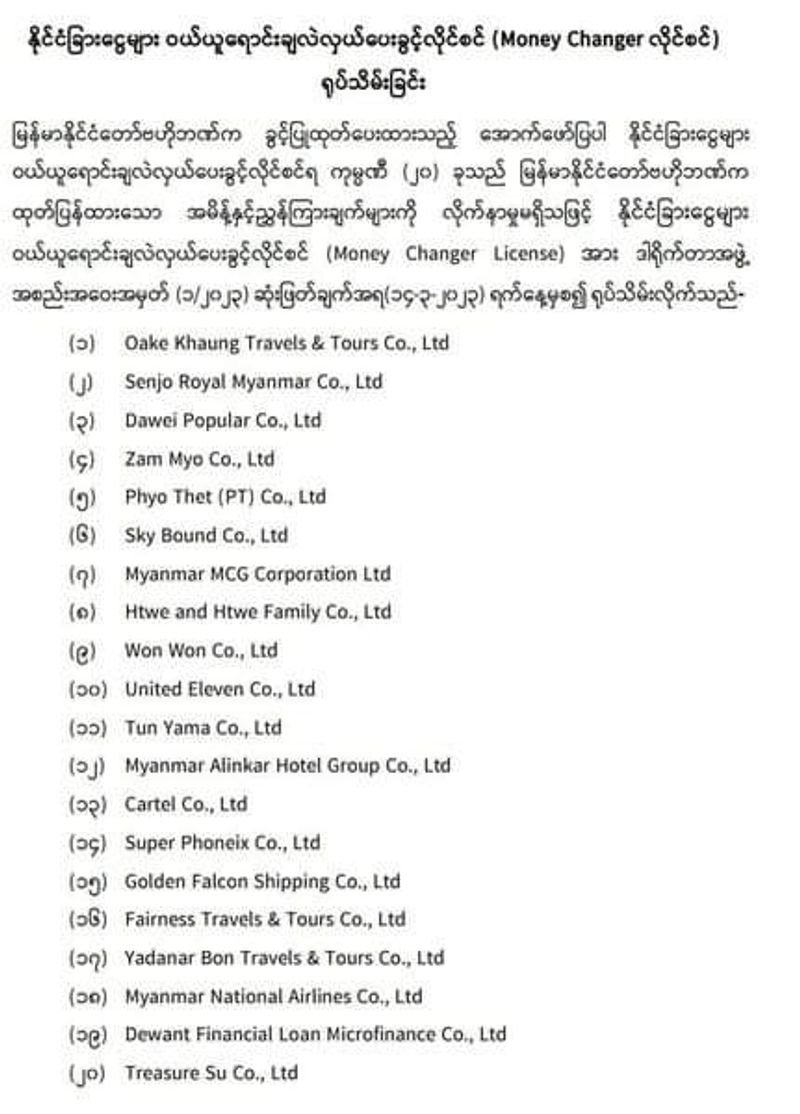
GT-annotated document parsing examples — 11 languages × 9 page types.

GT annotation colors: Text Block Title Figure Figure Caption Table Table Caption Equation

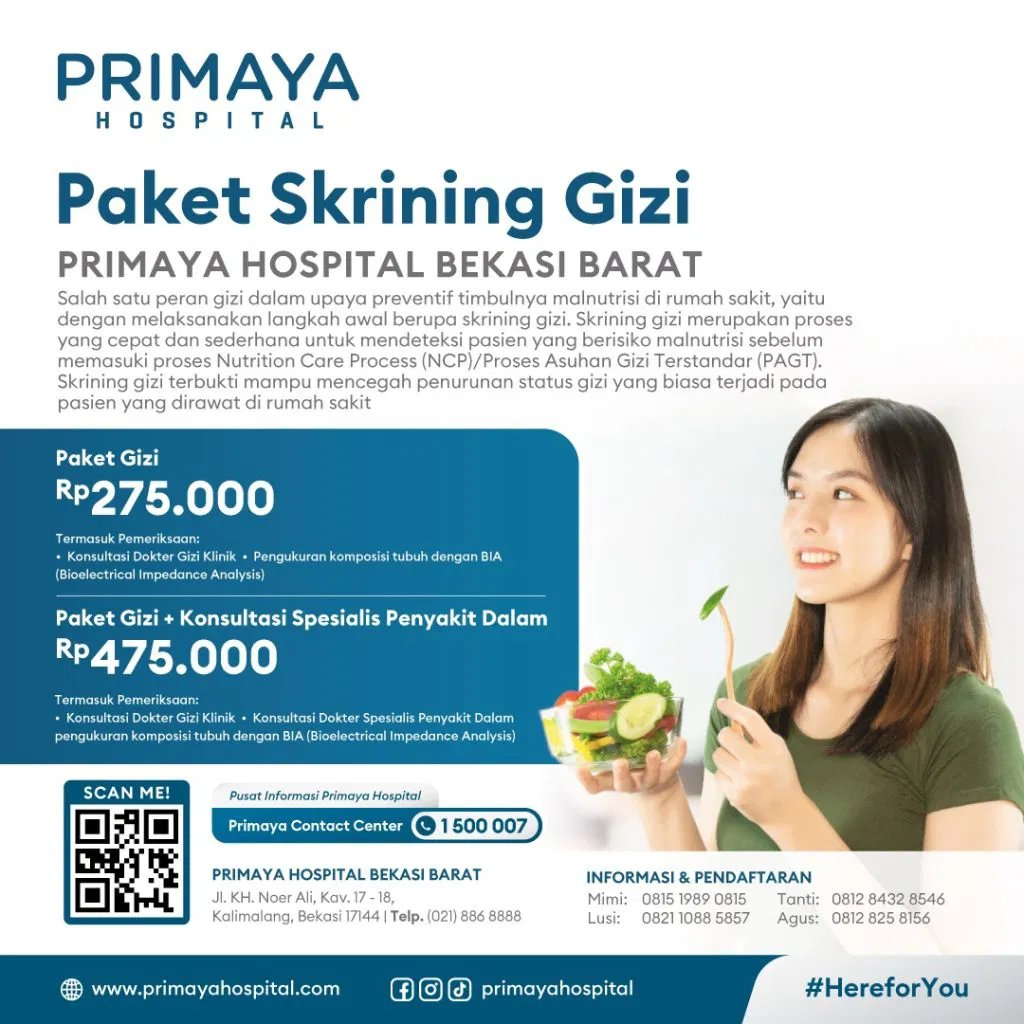
Case Studies: TEC-VQA

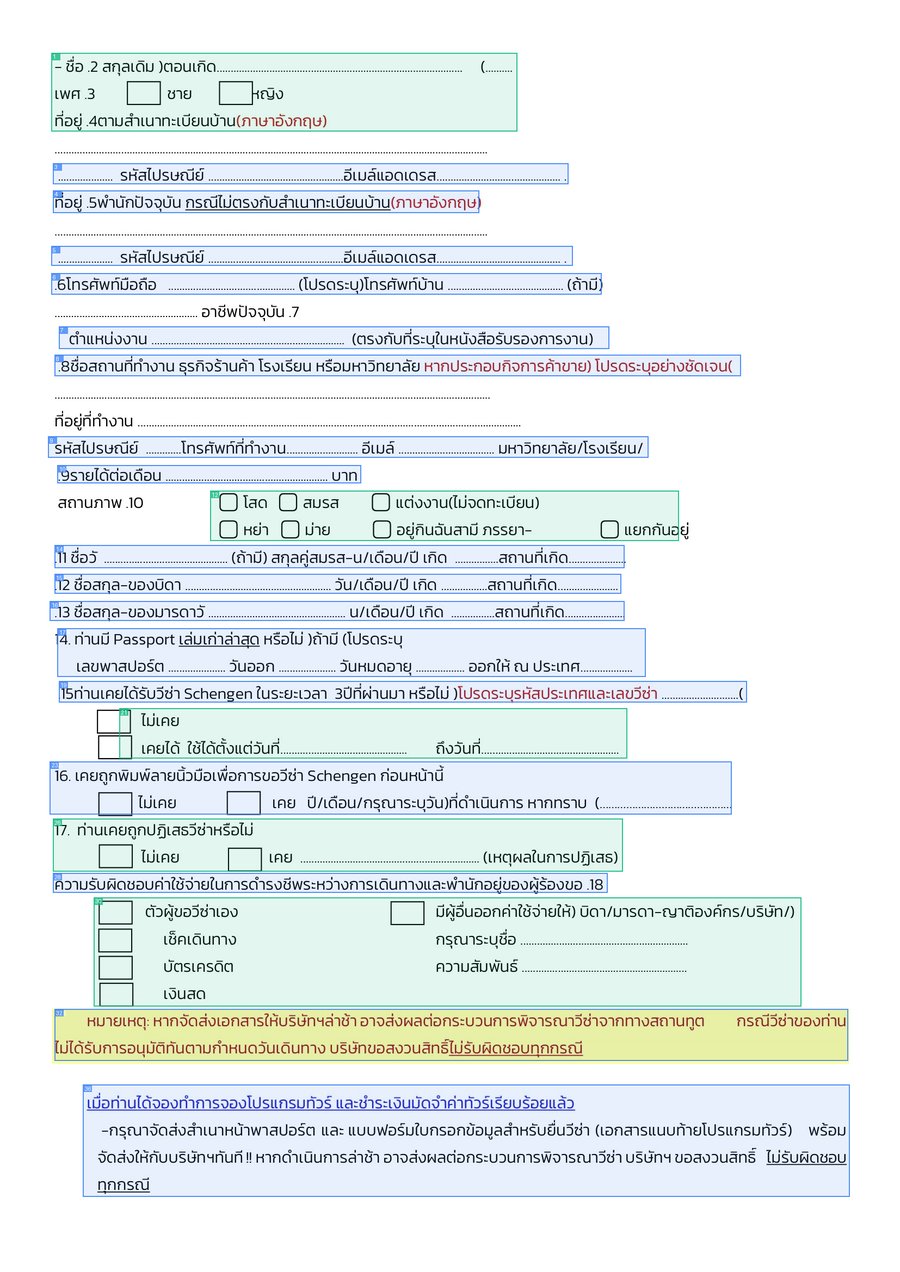
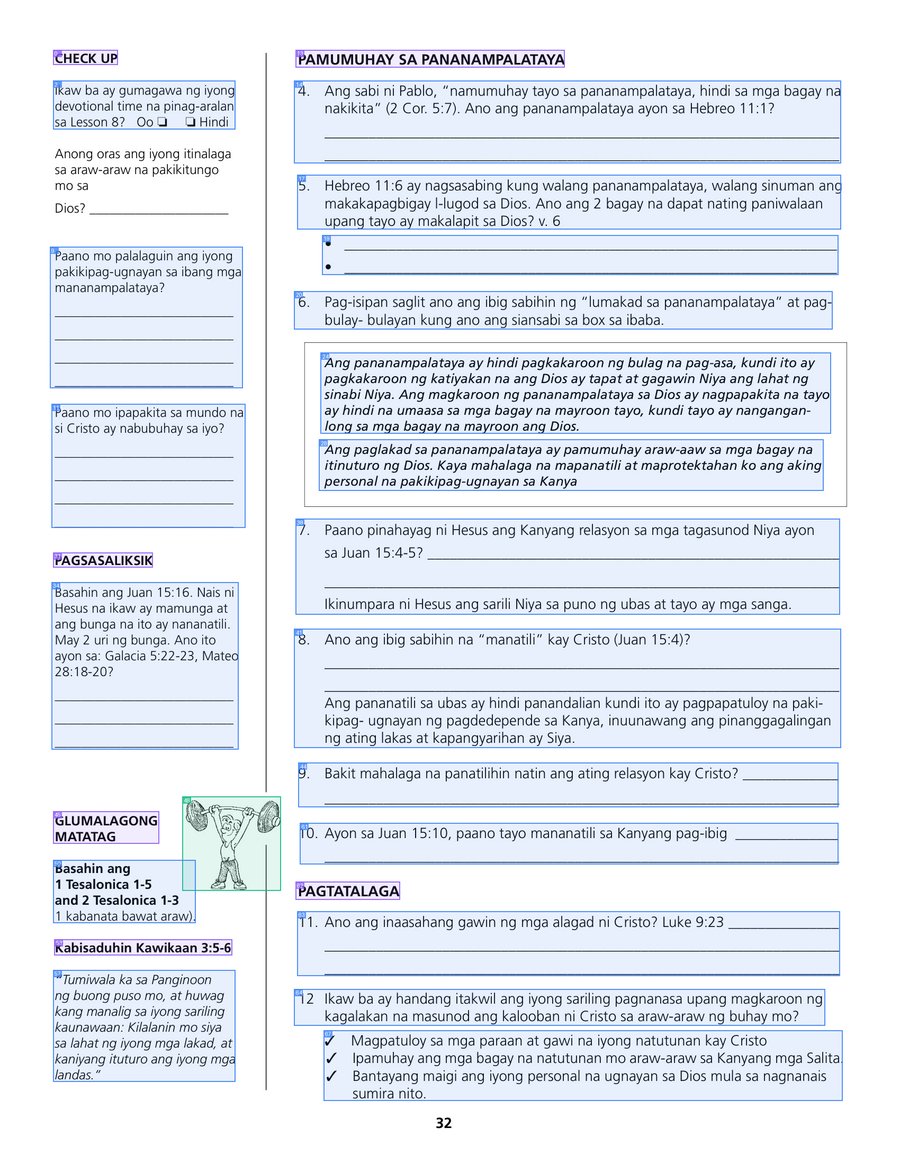
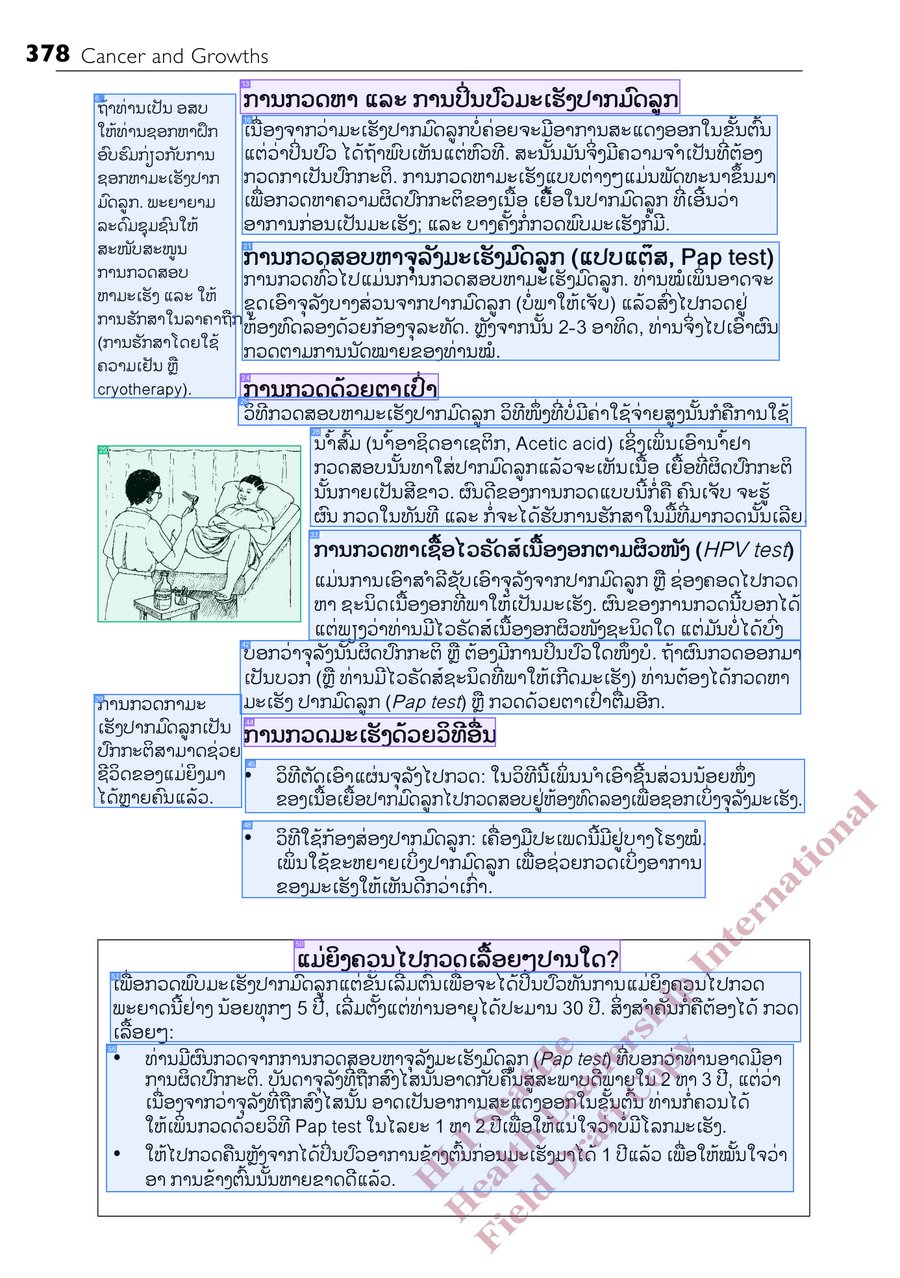
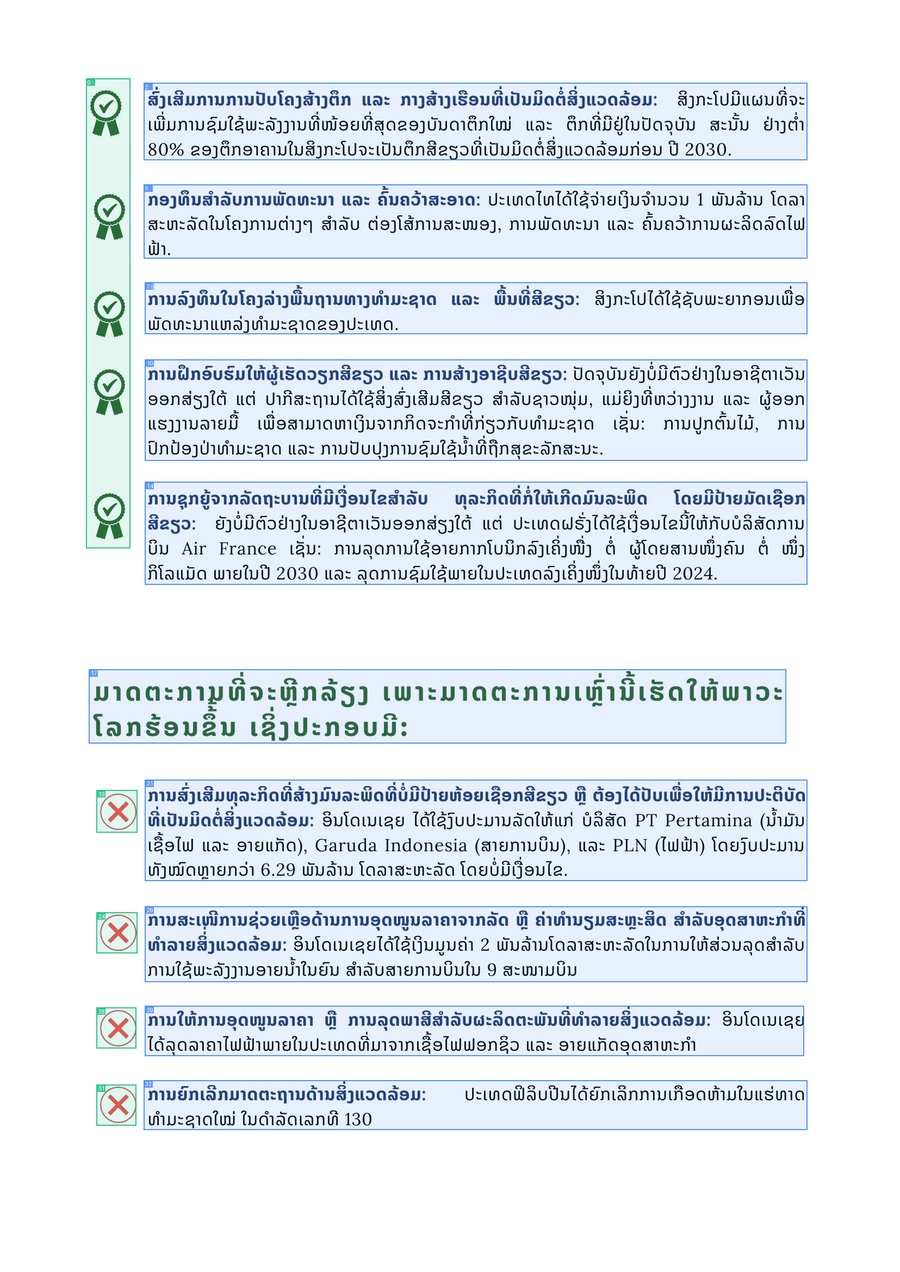
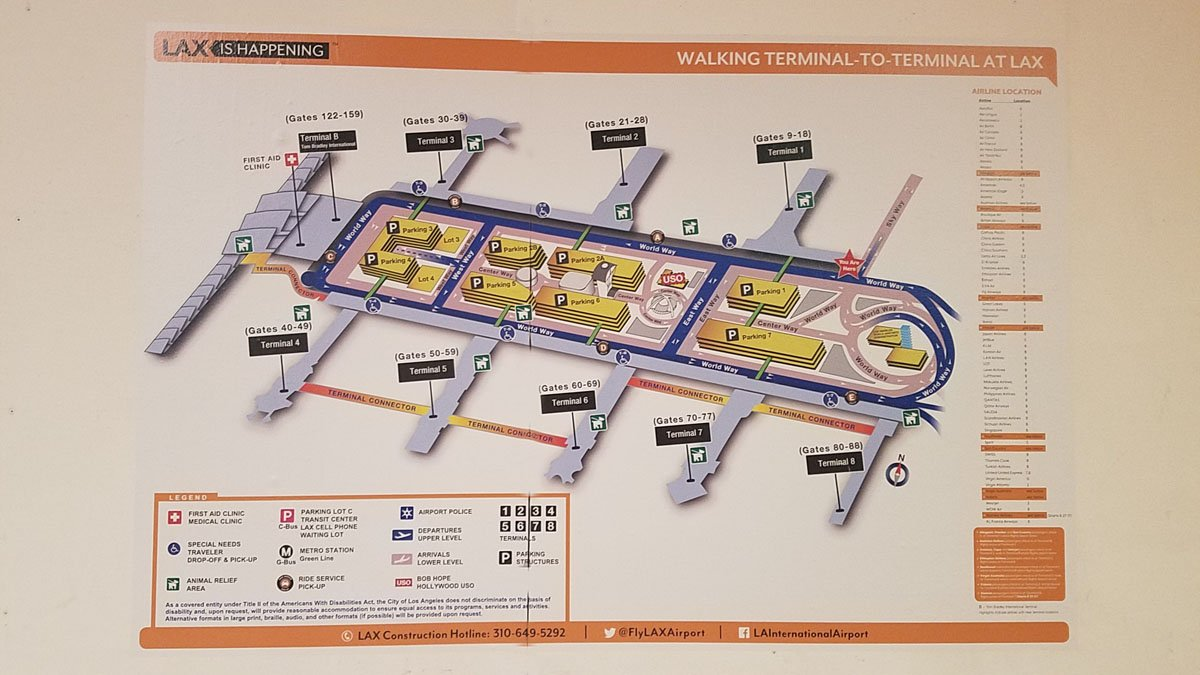
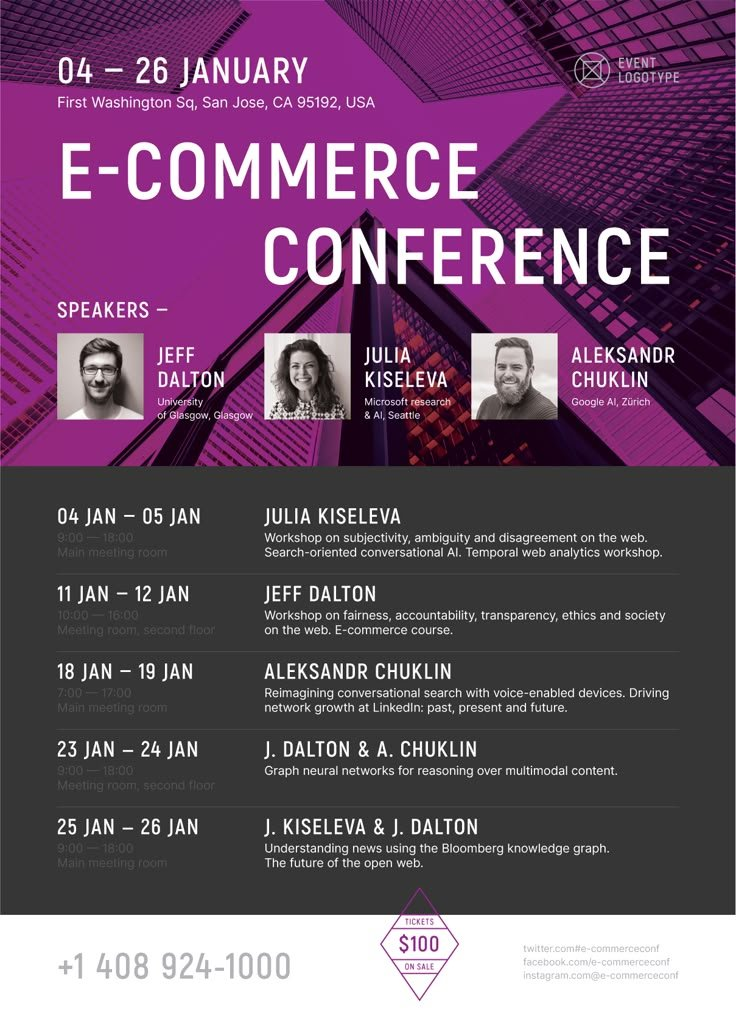
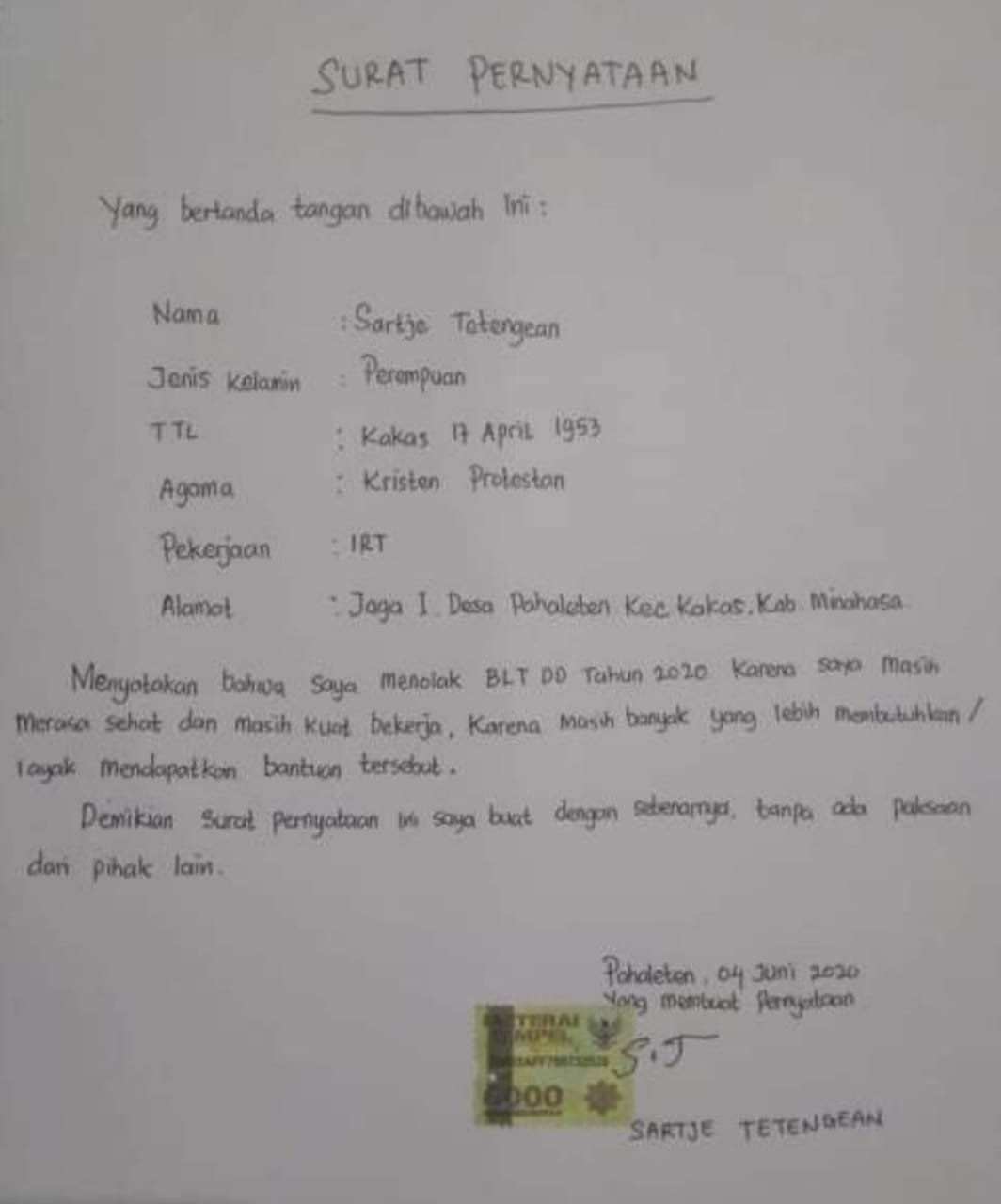
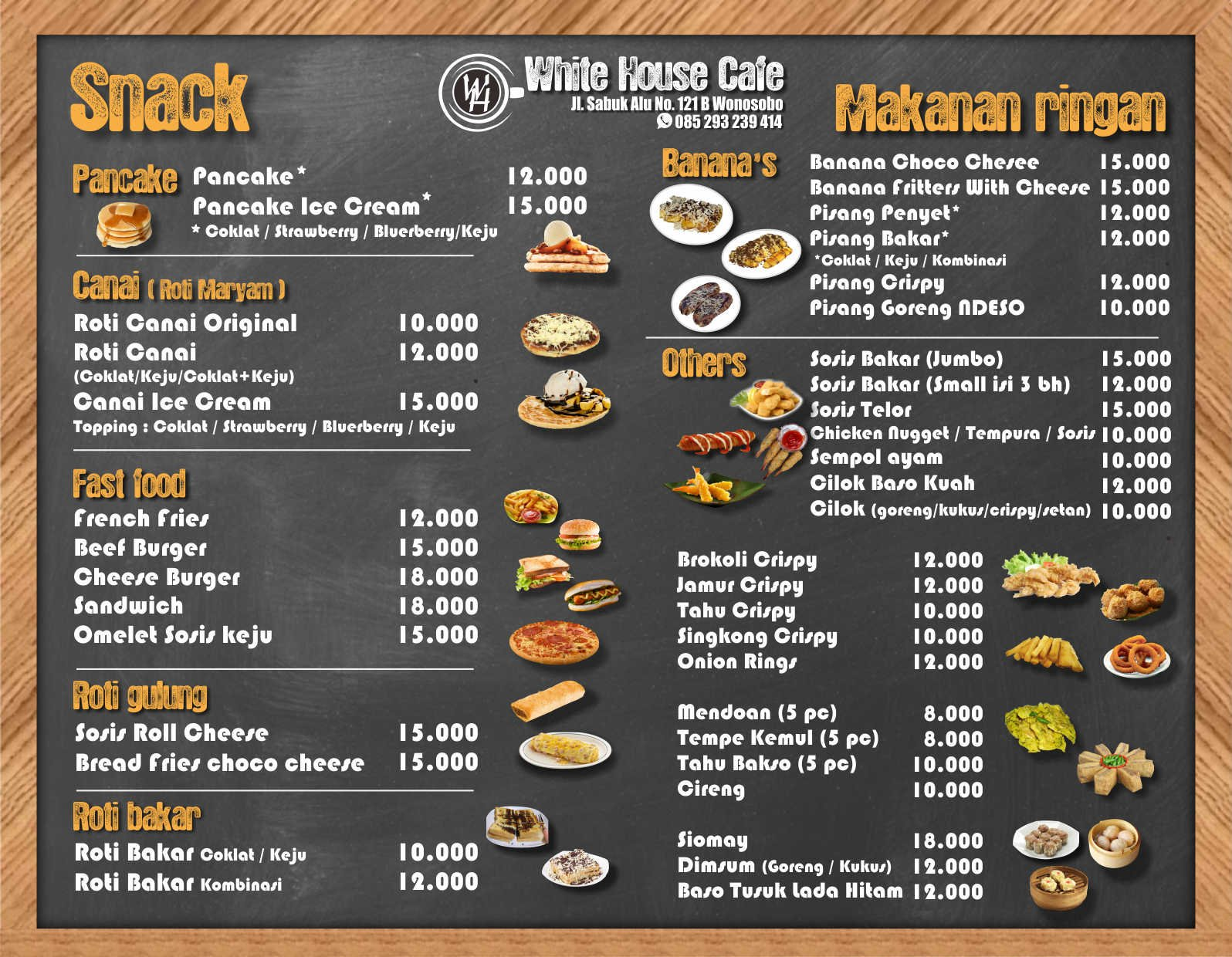
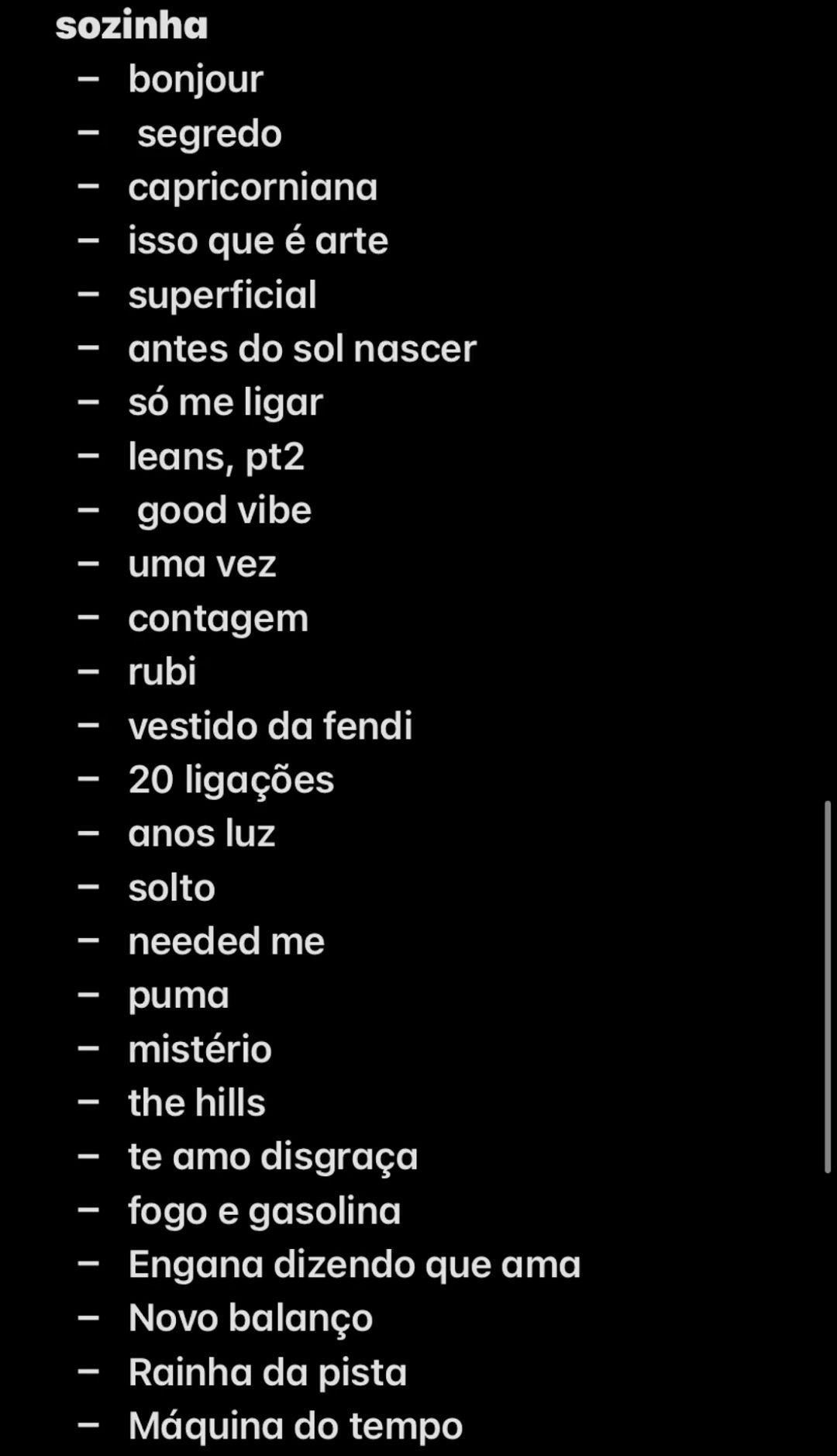
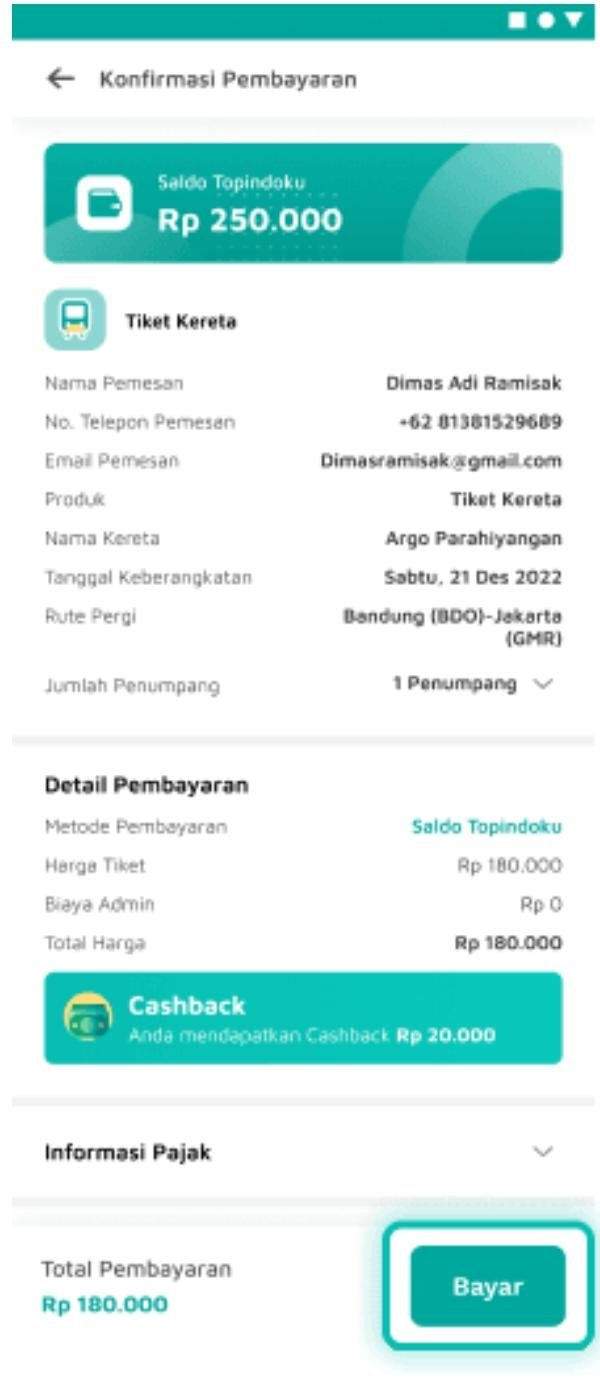
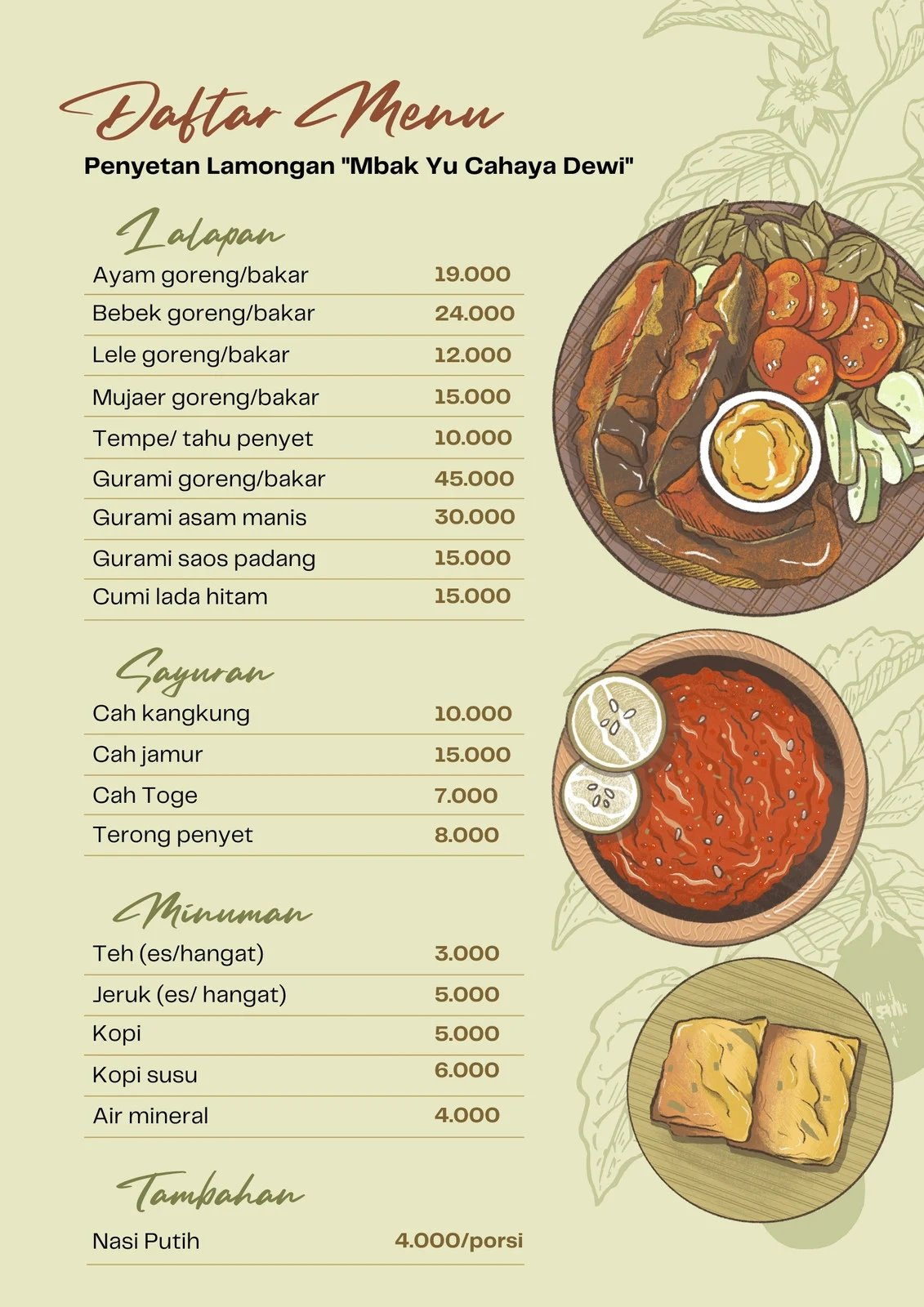
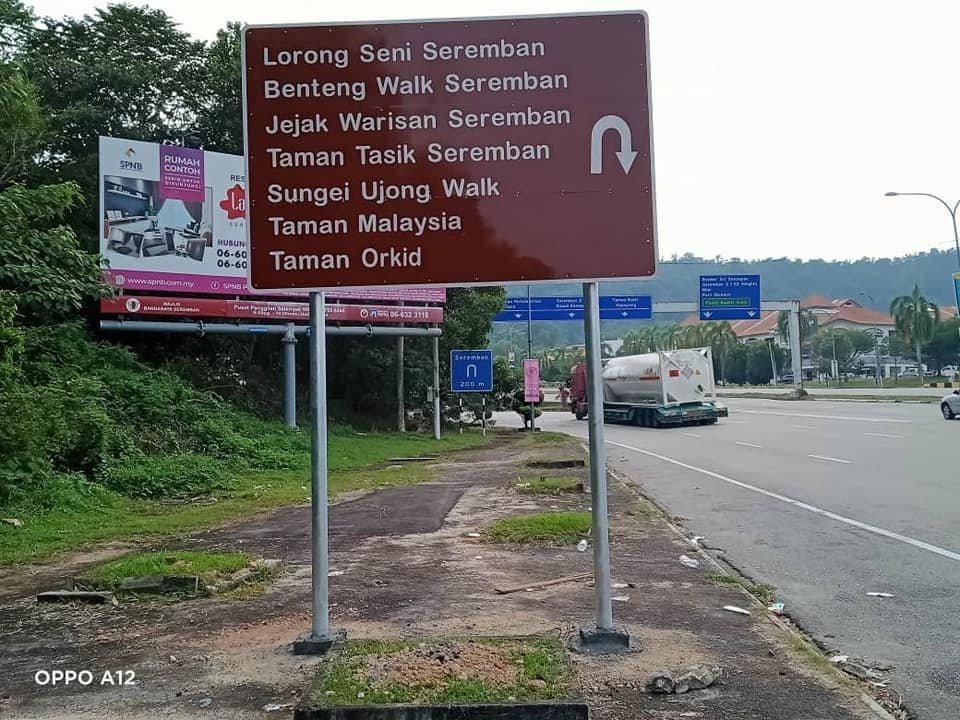
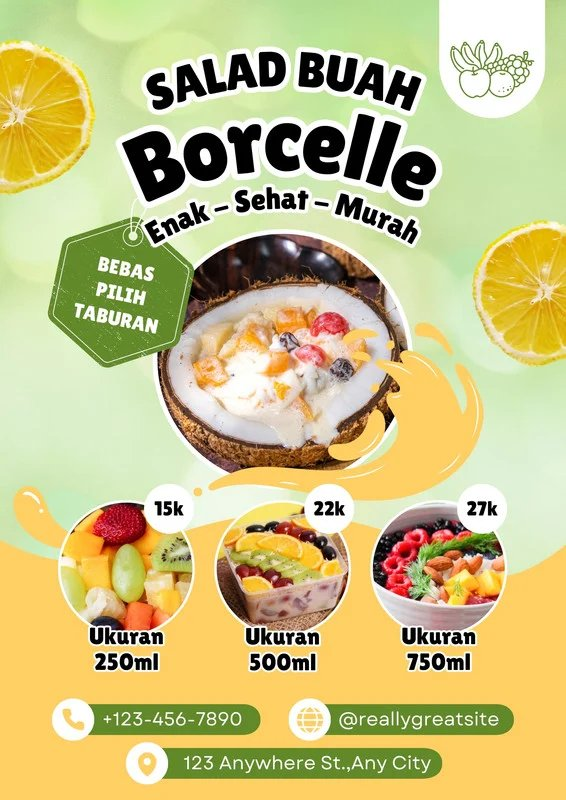
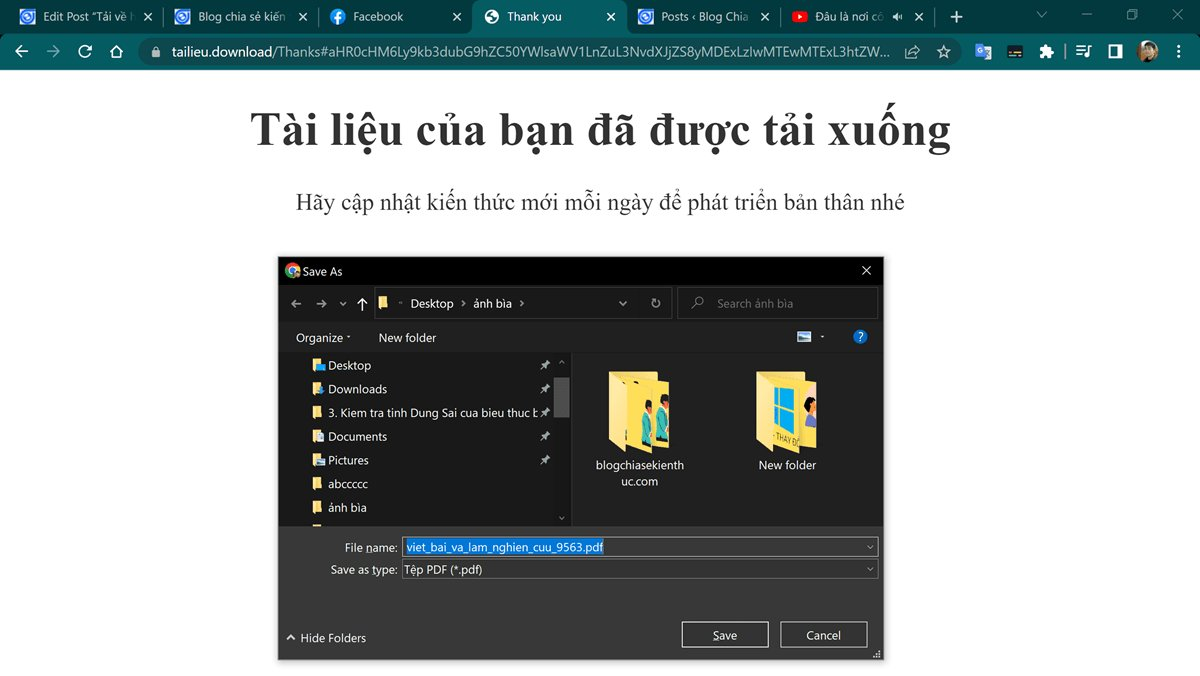
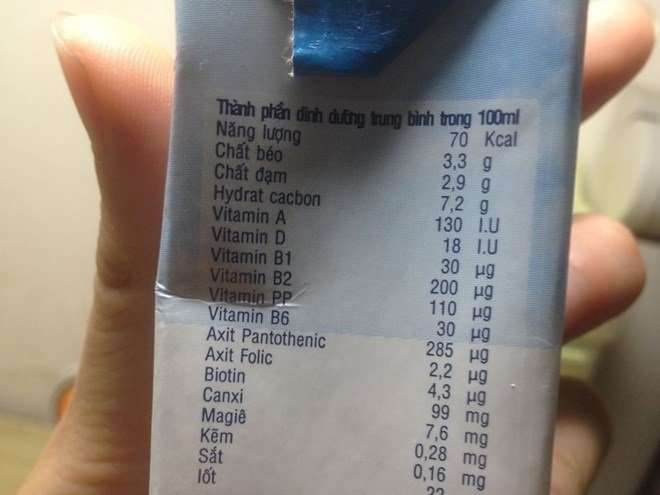
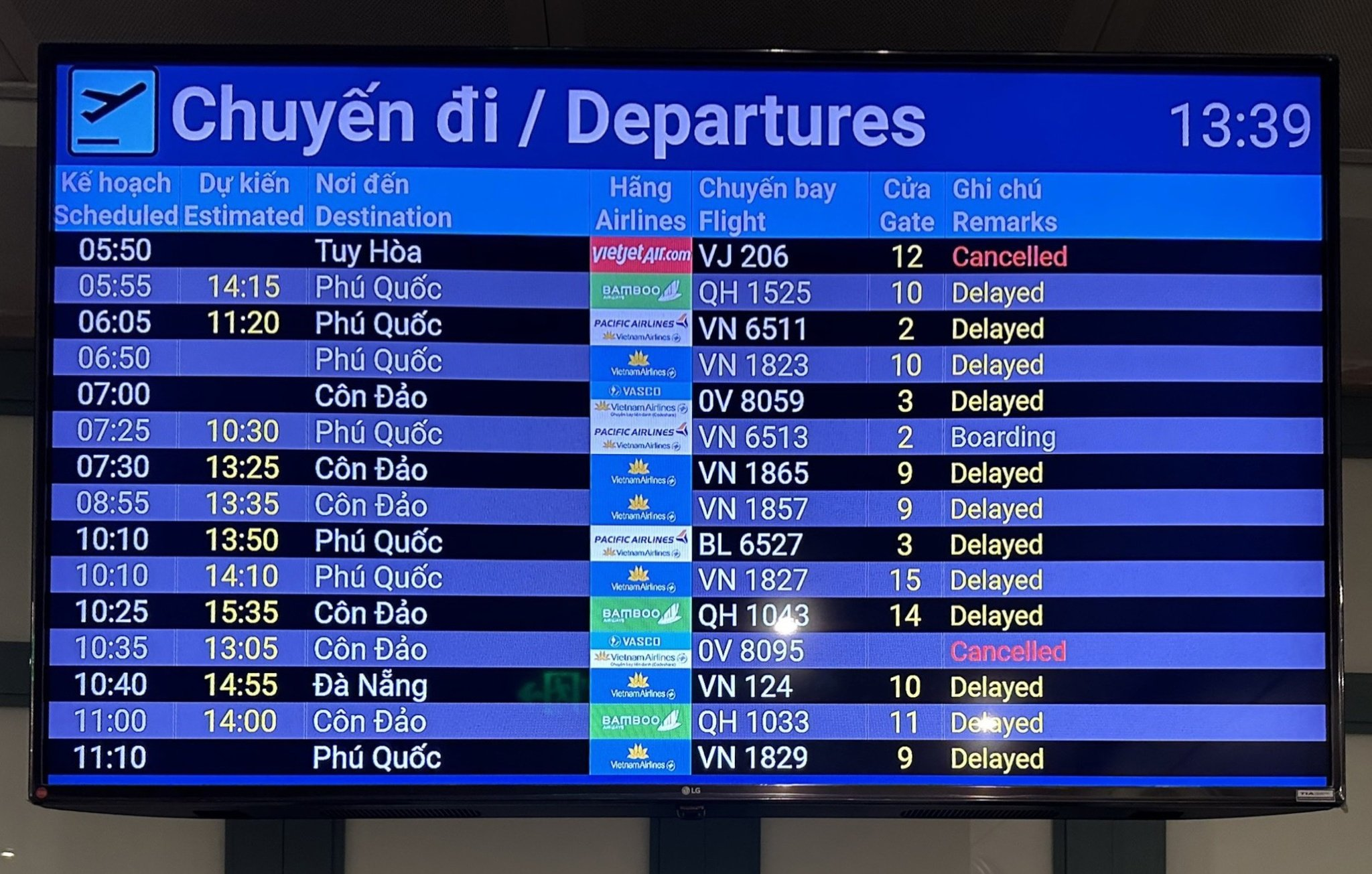
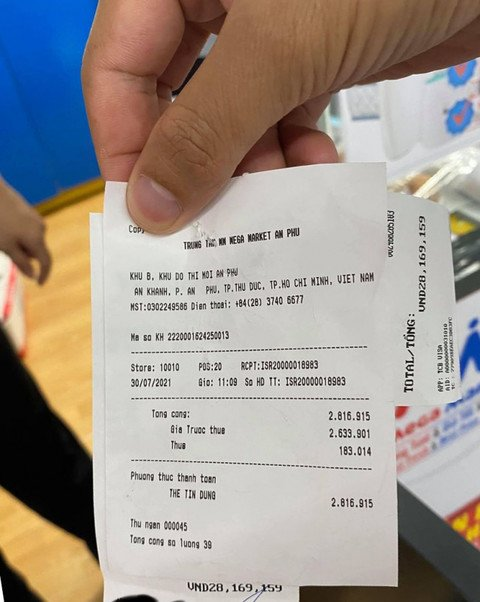
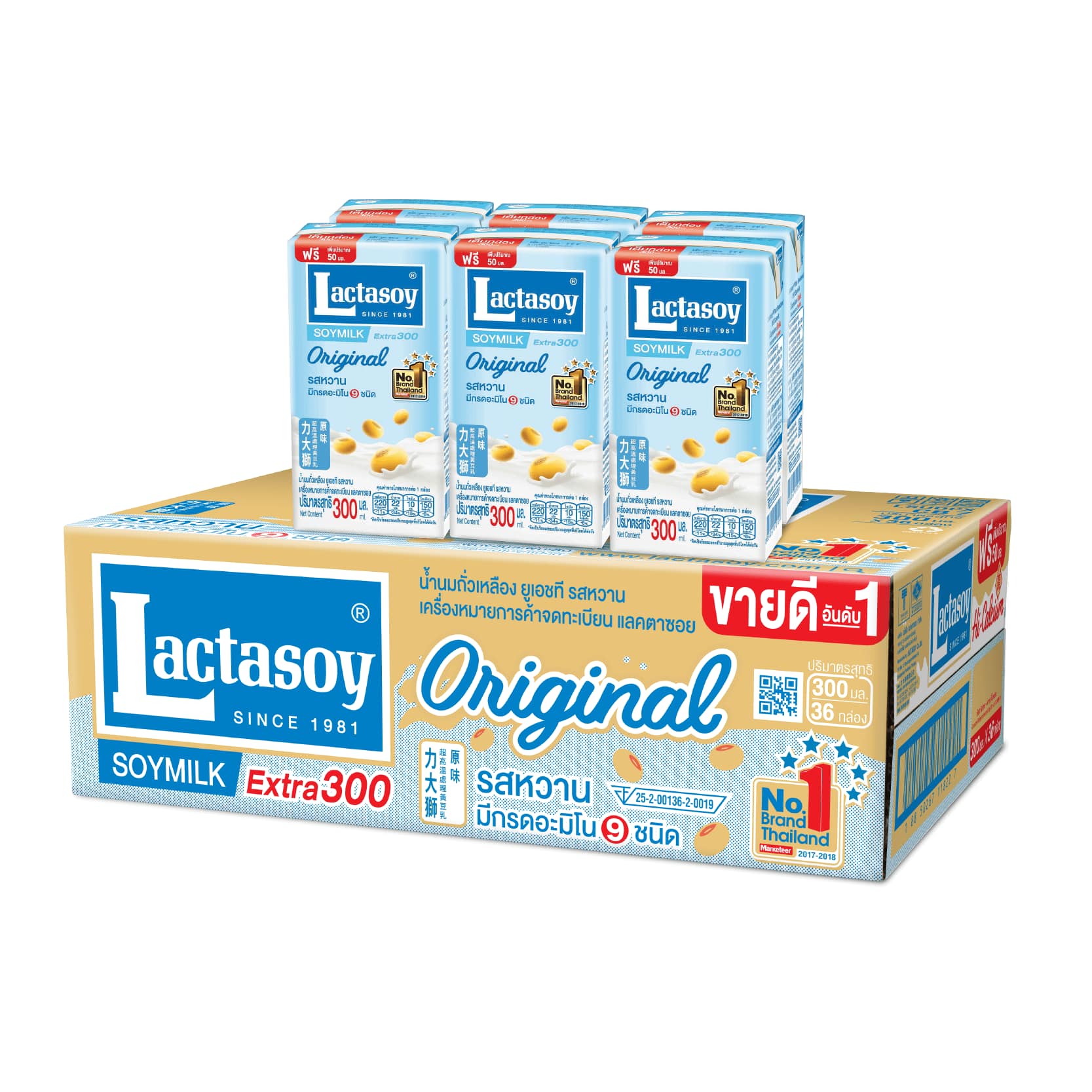
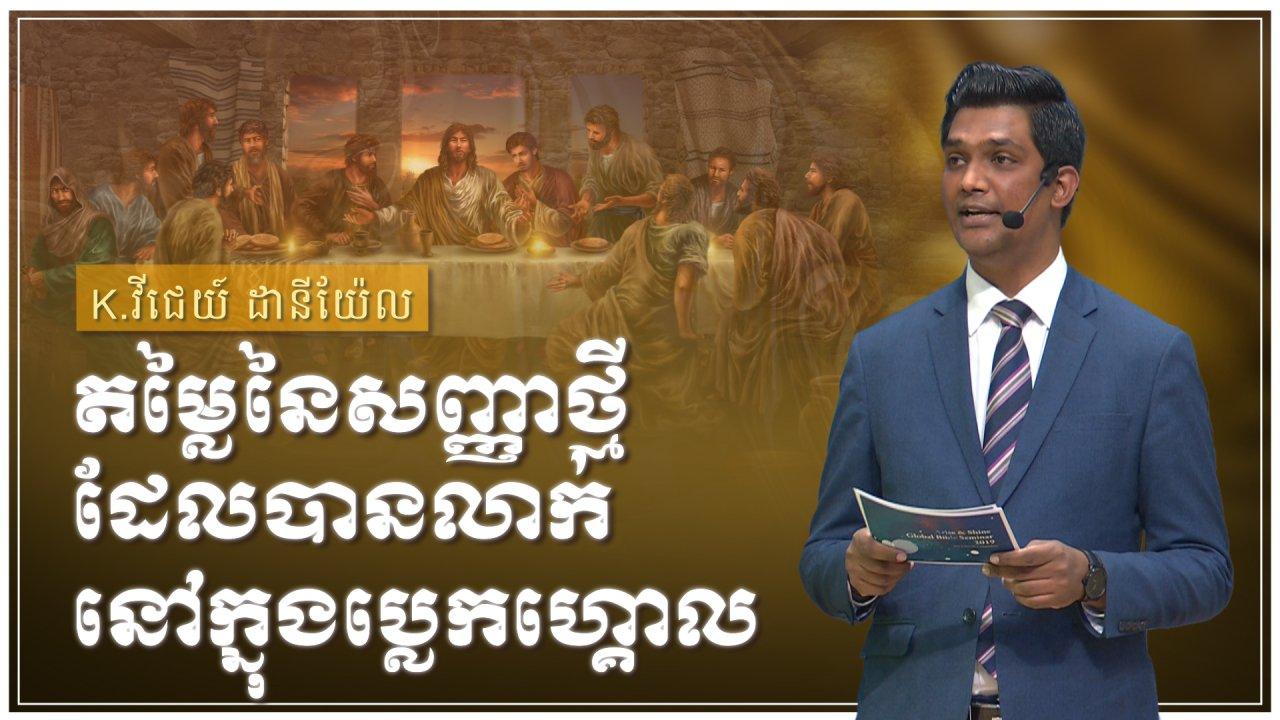
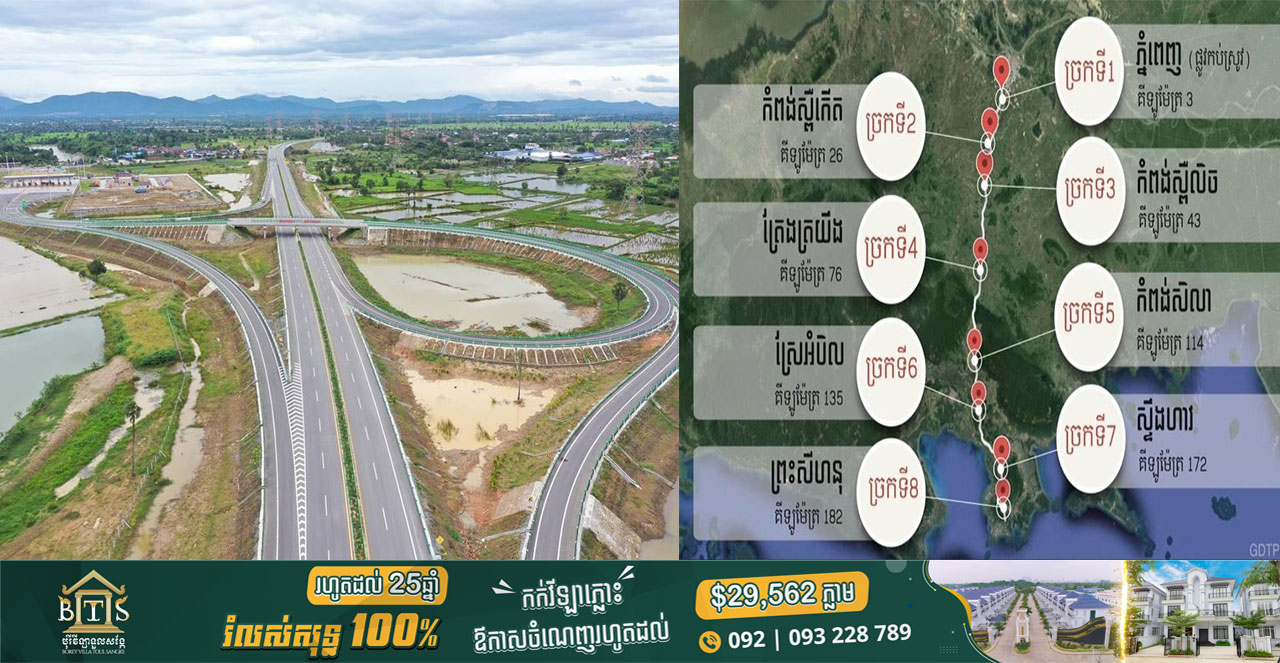
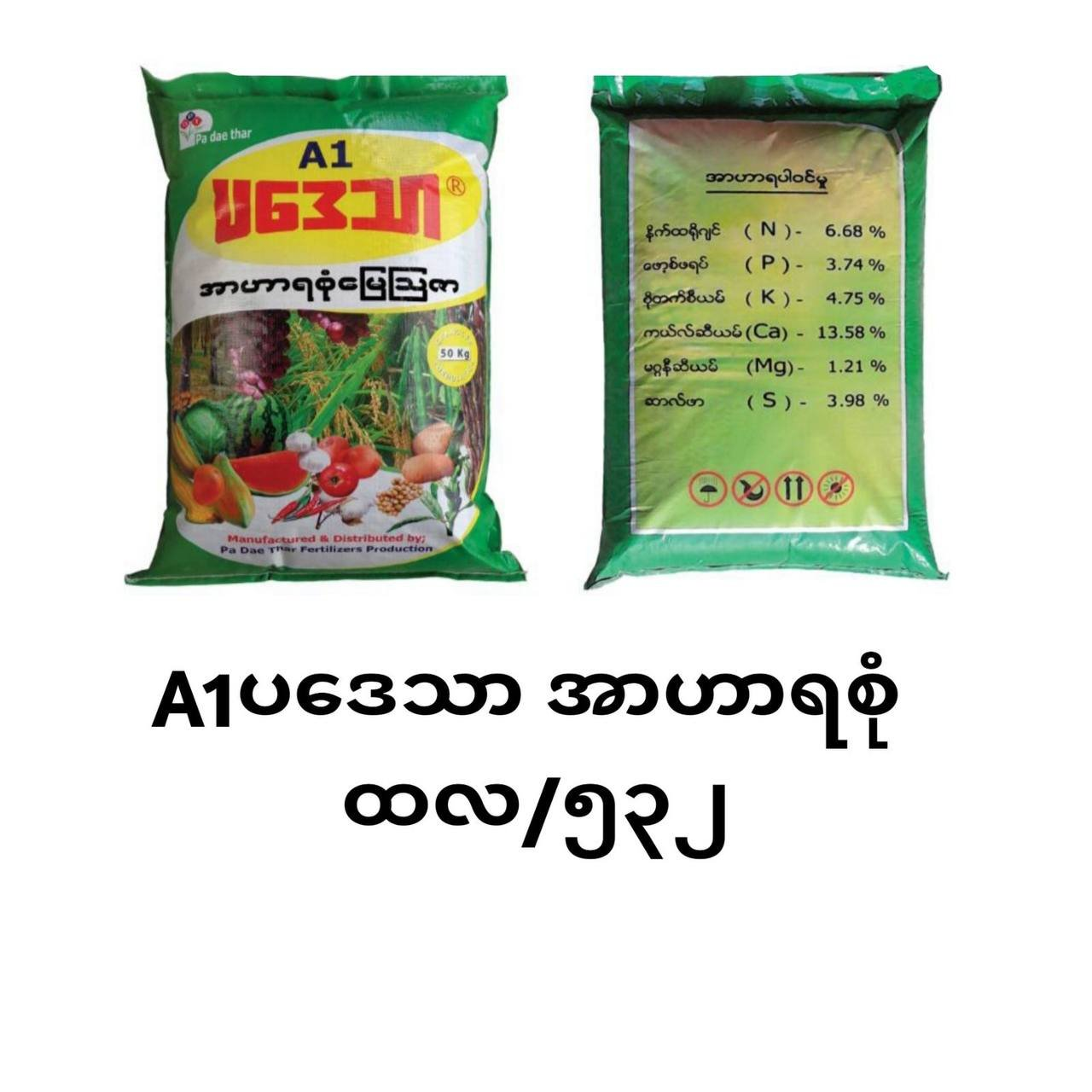
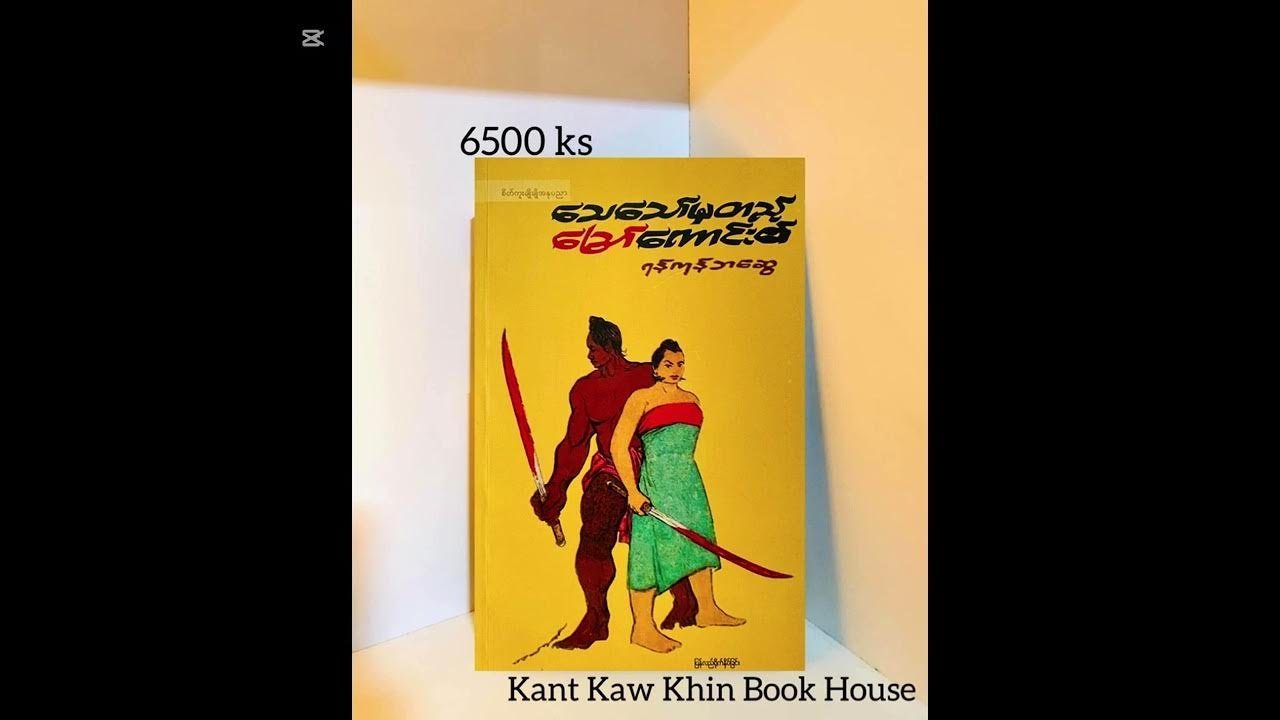
Real QA examples from TEC-VQA across all 11 languages and 5 reasoning types. Questions and answers are in the target language, drawn from real-world text-rich images.

Reasoning type: Recognize Compute Compare Logic Spatial

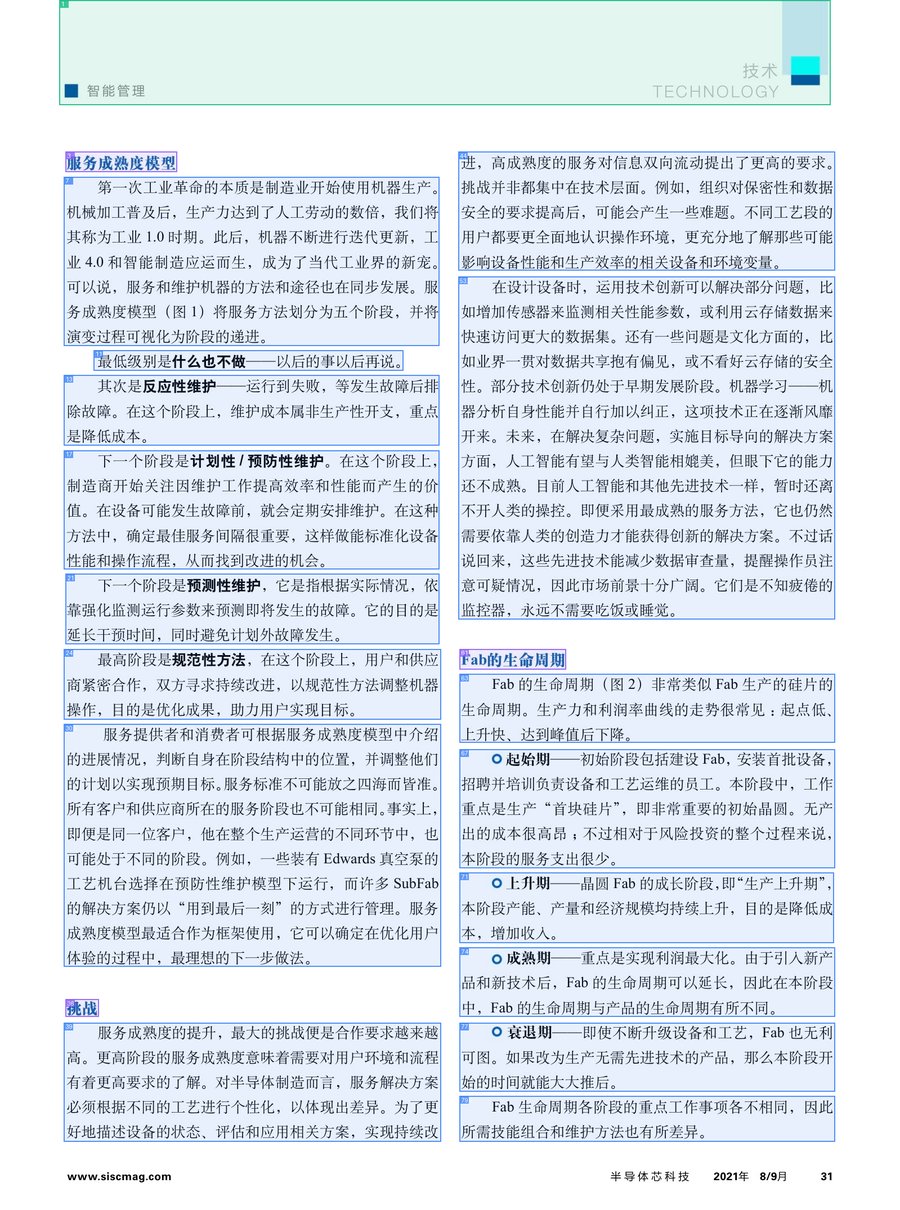
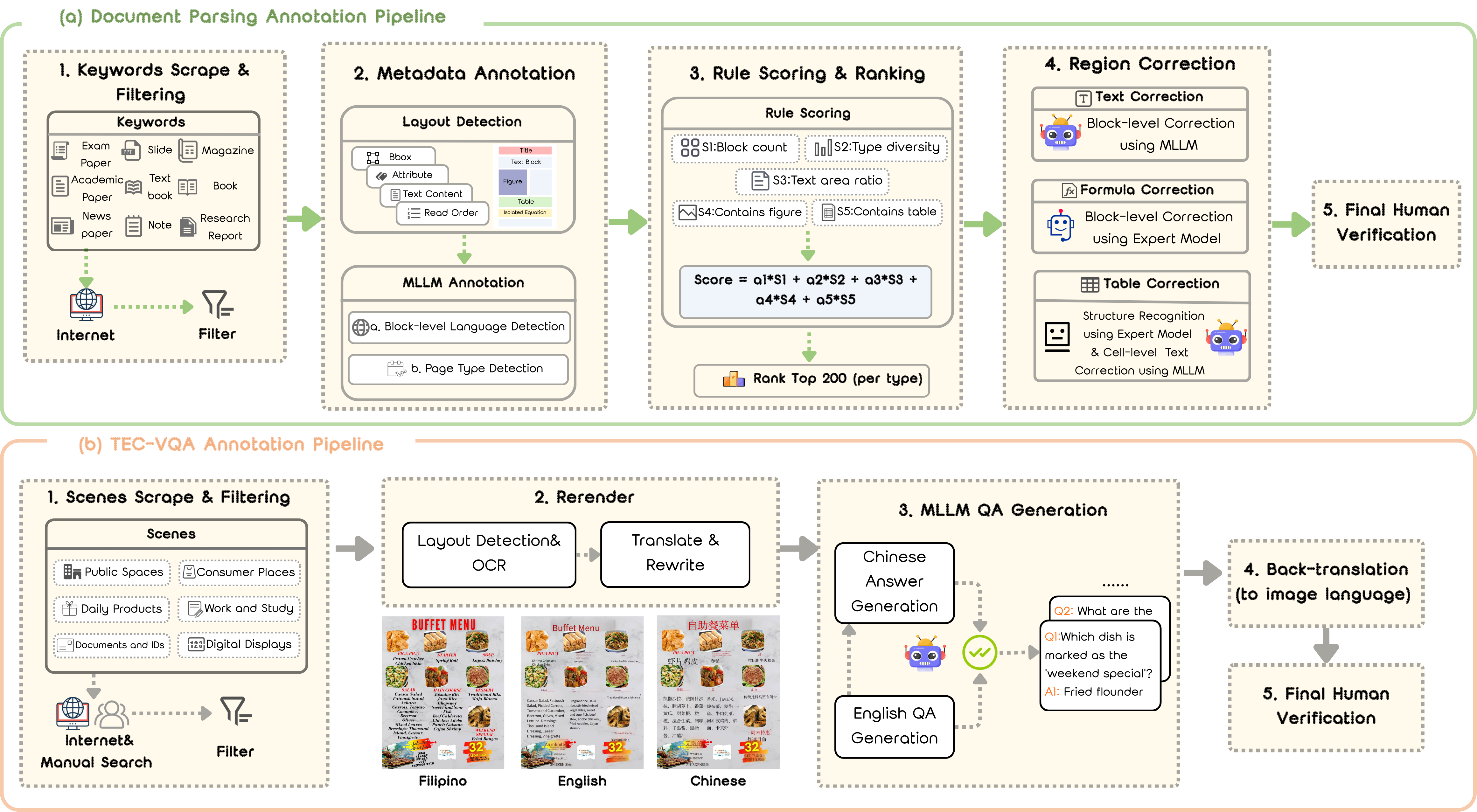
Annotation Pipeline

Hybrid automated + native-speaker verification pipeline for both tasks

Annotation pipeline overview

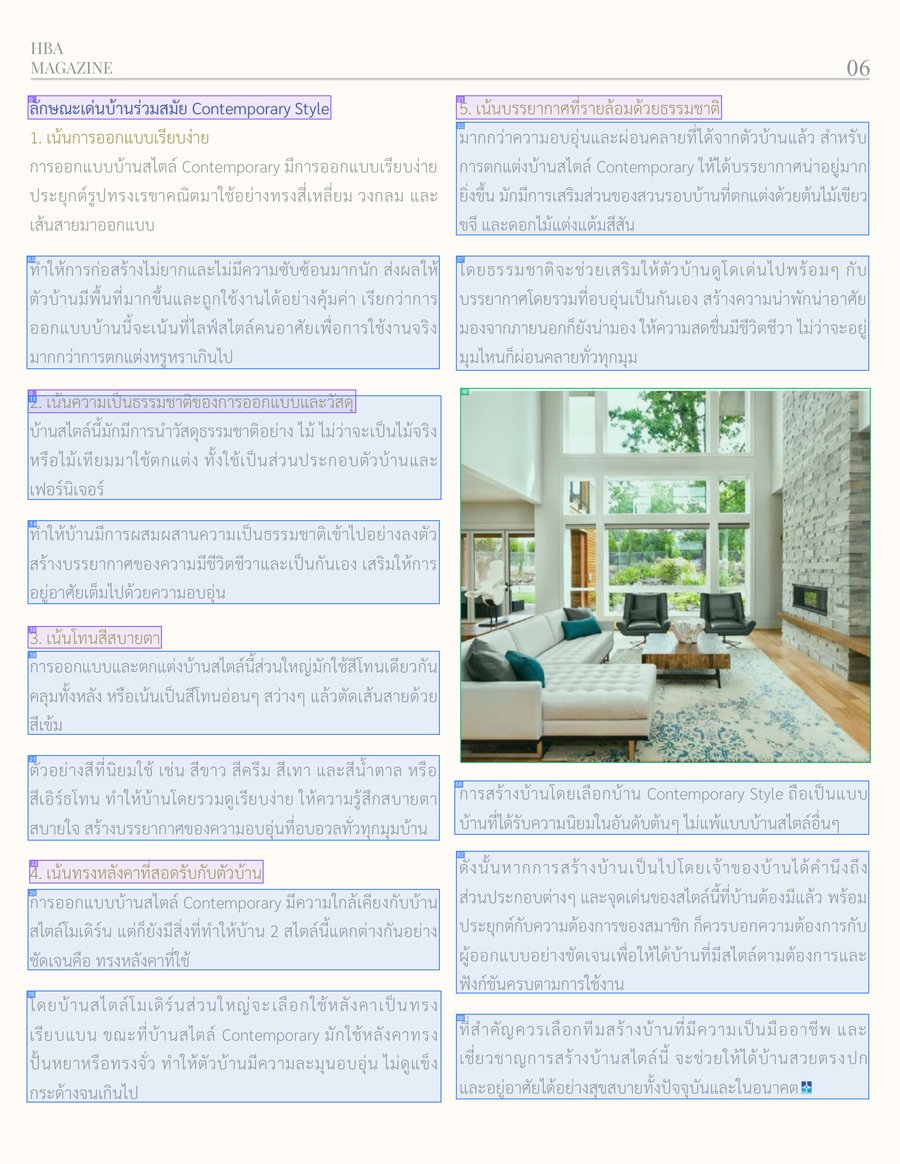
(a) Document Parsing: web scraping → layout detection → rule-based scoring → MLLM region correction → human verification.   (b) TEC-VQA: scene collection → re-rendering into target languages → MLLM QA generation → cross-lingual consistency check → native-speaker review.

BibTeX

If you use SEA-Vision in your research, please cite:

@inproceedings{yue2026seavision,
  title     = {SEA-Vision: A Multilingual Benchmark for Comprehensive
               Document and Scene Text Understanding in Southeast Asia},
  author    = {Yue, Pengfei and Zhao, Xingran and Chen, Juntao and
               Hou, Peng and Longchao, Wang and Lin, Jianghang and
               Zhang, Shengchuan and Zeng, Anxiang and Cao, Liujuan},
  booktitle = {Proceedings of the IEEE/CVF Conference on
               Computer Vision and Pattern Recognition (CVPR)},
  year      = {2026}
}